Sodium Battery Manufacturer for Airport Ground Support Equipment (GSE)
Airport GSE Electrification: The Shift to Advanced Battery Chemistry
Airport ground support equipment (GSE) operates in some of the most demanding conditions in the transportation sector. Unlike passenger vehicles, airport equipment such as baggage tractors, pushback tractors, belt loaders, cargo loaders, and aircraft service vehicles must deliver consistent performance under continuous operation, extreme weather, and stringent safety protocols. For decades, lead-acid batteries powered much of this equipment, but their limitations have become increasingly apparent: capacity loss in cold climates, lengthy charge times, frequent replacements, high maintenance needs, and reduced operational efficiency during peak airport schedules. Lithium iron phosphate (LiFePO4) batteries addressed several of these issues, yet airports in extremely cold regions still struggle with low-temperature charging and energy output. Sodium-ion technology offers a new path forward, combining cold-weather resilience with industrial reliability.
Why Sodium Batteries Excel for Airport GSE
Superior Low-Temperature Performance
Cold climates are a major challenge for airport GSE batteries. Airports across Northern Europe, Canada, the Northern United States, and Nordic countries frequently endure sub-freezing temperatures during winter. Lead-acid batteries suffer from reduced capacity, poor starting power, extended charging times, and a higher risk of operational interruptions. Standard lithium batteries often require additional heating systems or strict charging temperature limits. Sodium-ion chemistry naturally performs better in cold conditions, delivering stable energy output when temperatures drop. SPIDERWAY sodium batteries are engineered to maintain dependable performance in cold weather, helping airport operators minimize downtime and boost equipment availability. For operations where aircraft turnaround efficiency hinges on equipment readiness, this advantage is critical.
SPIDERWAY: Pioneering Sodium Batteries for Airport GSE
SPIDERWAY is not merely repurposing automotive sodium cells. Leveraging over a decade of industrial lithium battery experience, the company designs batteries specifically for commercial and industrial vehicles, including forklifts, golf carts, aerial work platforms, AGVs, AMRs, and airport ground support equipment. This industrial background gives SPIDERWAY engineers deep insight into the true demands of airport operations: high-cycle usage, frequent acceleration and braking, long daily shifts, harsh outdoor exposure, and the need for seamless compatibility with existing vehicle controllers, chargers, and communication systems. By merging battery chemistry innovation with industrial vehicle engineering, SPIDERWAY has produced sodium battery solutions that meet the rigorous requirements of modern airport electrification.

SPIDERWAY Sodium Battery Product Line for Airport GSE
400Ah Sodium Battery Series
The 400Ah sodium battery is designed for high-energy-demand airport equipment that requires extended operating time. Typical applications include airport baggage tractors, aircraft pushback tractors, cargo handling vehicles, and heavy-duty GSE equipment. Key advantages of this series include high energy capacity, excellent low-temperature performance, long service life, reduced maintenance compared with lead-acid batteries, and suitability for intensive airport operation cycles.
270Ah Sodium Battery Series
The 270Ah sodium battery offers a more compact solution for medium-duty airport equipment. Typical applications include belt loaders, small baggage tractors, airport service vehicles, and electric utility vehicles. Its advantages include optimized size and weight, reliable cold-weather operation, easy integration into existing electric GSE platforms, and lower total lifecycle cost.

Applications Across Airport Ground Support Equipment
Electric Baggage Tractors
Baggage tractors operate continuously between terminals, baggage areas, and aircraft parking positions. Their batteries must withstand frequent starts and stops, heavy towing loads, multiple shifts per day, and outdoor exposure. SPIDERWAY sodium batteries provide stable power output and reduce performance loss during winter, ensuring reliable baggage handling in cold climates.
Aircraft Pushback Tractors
Pushback vehicles demand high torque and reliable energy delivery. A battery failure during aircraft departure preparation can cause serious operational delays. Sodium battery solutions deliver strong low-temperature discharge capability, stable voltage output, high safety characteristics, and reliable operation in demanding environments, giving ground crews confidence in the most critical moments.
Airport Belt Loaders
Belt loaders require compact, efficient, and reliable power systems. Compared with traditional lead-acid solutions, SPIDERWAY sodium batteries offer longer operating time, less maintenance, better winter performance, and faster operational recovery. This enables smoother cargo handling even in freezing conditions.
Other Airport Ground Support Equipment
Beyond these core vehicles, SPIDERWAY sodium batteries can support cargo loaders, aircraft maintenance vehicles, passenger boarding equipment, electric utility carts, and various airport service vehicles. The flexibility of the sodium platform allows SPIDERWAY to address a broad spectrum of GSE electrification needs.
Why Airport Operators Trust SPIDERWAY
Proven Industrial Manufacturing Capability
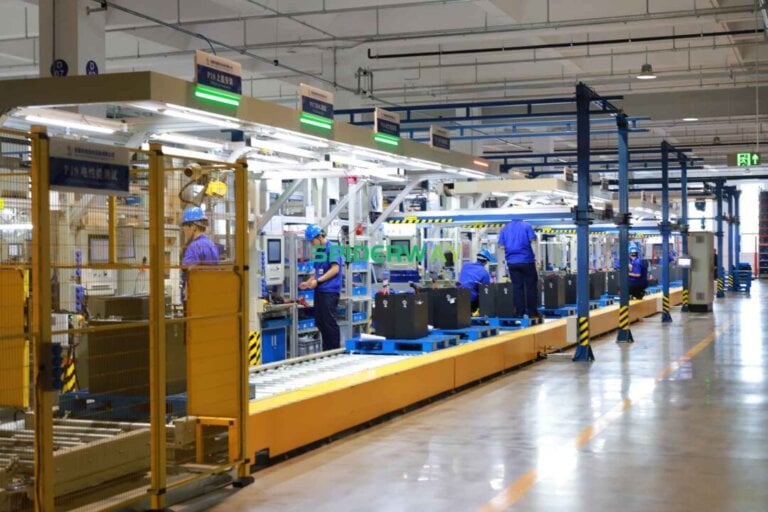
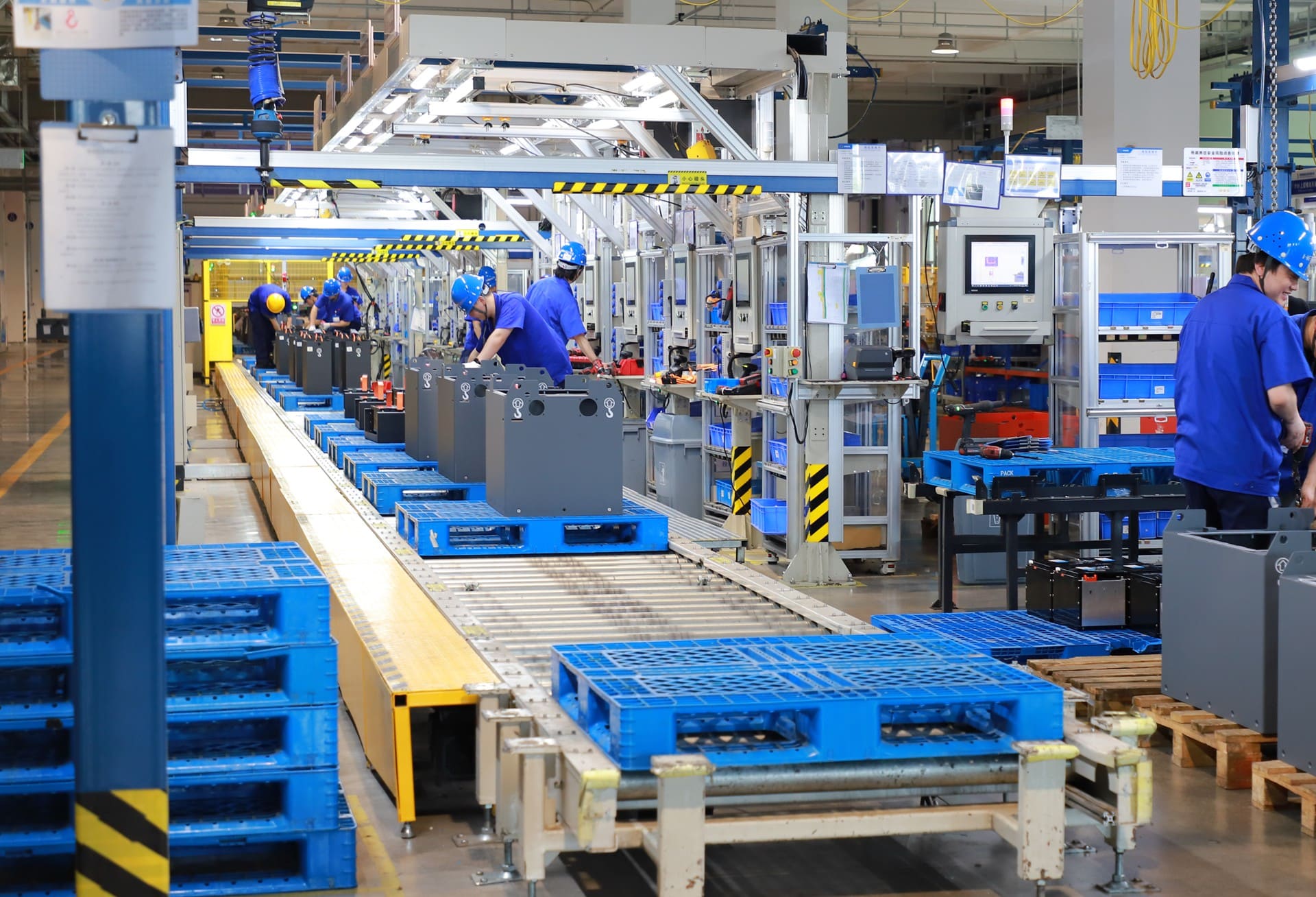
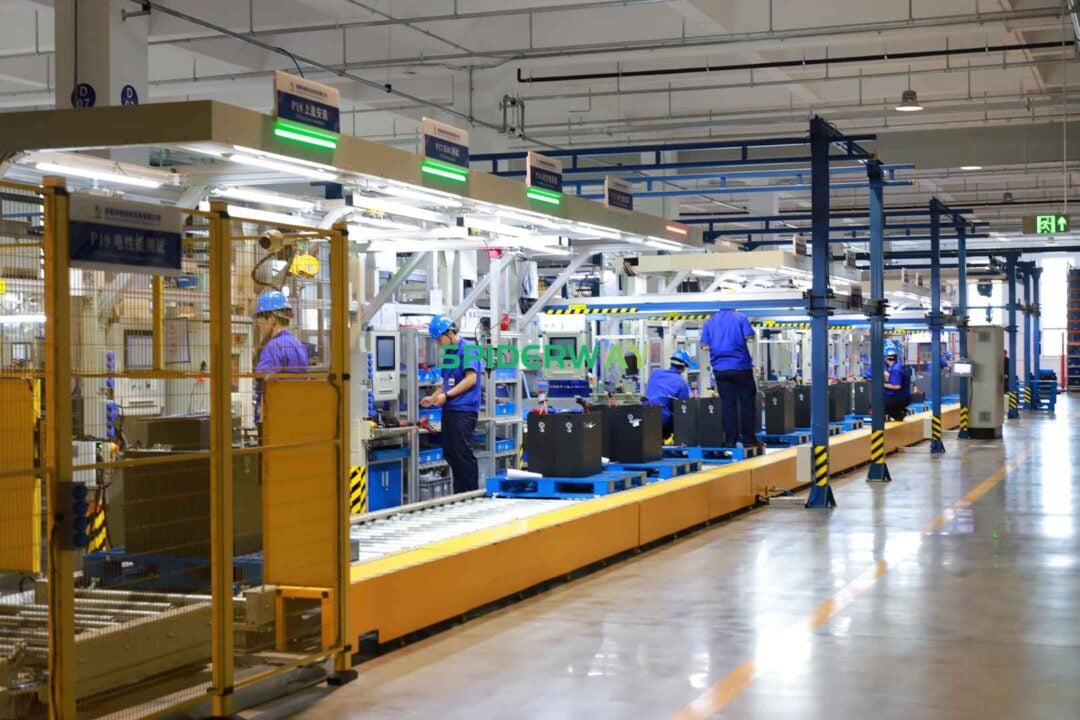
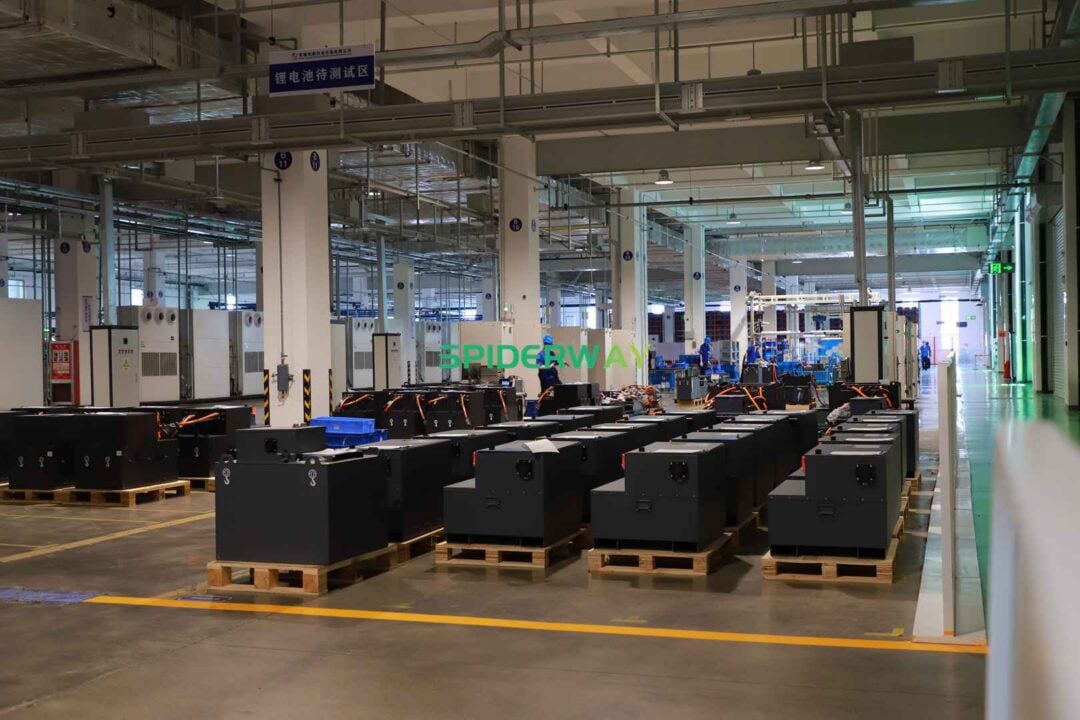
SPIDERWAY operates a professional battery manufacturing facility with demonstrated expertise in cell integration, PACK manufacturing, BMS development, battery testing, and industrial vehicle applications. Unlike consumer-focused energy storage firms, SPIDERWAY specializes in industrial traction battery systems, ensuring batteries are built to withstand the rigors of daily airport use.
Deep Vehicle Compatibility Expertise
Airport GSE electrification involves more than swapping a battery. Successful conversion requires compatibility with vehicle controllers, chargers, CAN communication systems, battery management systems, and the existing electrical architecture. SPIDERWAY engineering teams provide complete battery integration solutions, not just battery packs, ensuring a seamless transition to sodium power.
Design Prioritizing Safety and Longevity
Airport environments demand exceptional reliability. SPIDERWAY sodium batteries emphasize thermal stability, electrical safety, intelligent BMS protection, overcharge and over-discharge protection, short circuit protection, and temperature monitoring. The goal is not simply higher energy density but safer, more dependable operation over the long term.
Sodium-Ion vs. LiFePO4 for Airport GSE: A Comparative Look
| Feature | Sodium-ion Battery | LiFePO4 Battery |
|---|---|---|
| Low-temperature performance | Excellent | Good with heating system |
| Safety | Very high | Very high |
| Raw material availability | Excellent | Good |
| Cold climate operation | Strong advantage | Requires optimization |
| Energy density | Lower | Higher |
| Industrial GSE suitability | Excellent for cold regions | Excellent general solution |
| Maintenance requirement | Low | Low |
For airports in moderate climates, LiFePO4 remains an excellent choice. However, airports facing severe winter conditions benefit uniquely from sodium-ion’s cold-weather resilience, making it a compelling complement to established lithium technology.

Field Deployments in North America and Northern Europe
SPIDERWAY sodium batteries are already operating in airport ground support equipment across North America and Northern Europe. Operators in cold regions have recognized sodium technology’s advantages, particularly its dependable performance during winter. Positive feedback from these deployments confirms that sodium-ion is transitioning from laboratory innovation to practical industrial application, delivering measurable value where it matters most.
The Future of Airport Electrification
Global airports are accelerating their shift to electric ground support equipment to achieve lower carbon emissions, reduced operating costs, improved energy efficiency, and better workplace environments. Battery technology underpins this transformation. While LiFePO4 has become the mainstream solution, sodium-ion offers an important complementary path, particularly for extreme climate applications. As an early sodium battery manufacturer for airport GSE, SPIDERWAY remains committed to delivering reliable, safe, and climate-adaptive battery solutions. With dedicated sodium product lines, industrial manufacturing expertise, and real-world deployments, SPIDERWAY is helping build the next generation of cleaner, more resilient airport operations.
About SPIDERWAY
SPIDERWAY is a professional manufacturer of industrial lithium and sodium battery solutions, specializing in batteries for forklifts, airport ground support equipment, aerial work platforms, golf carts, AGVs, and other electric vehicles. With deep engineering experience, global supply capability, and local service support in North America and Australia, SPIDERWAY provides customized battery solutions for customers worldwide. For airport operators seeking a reliable sodium battery manufacturer for GSE applications, SPIDERWAY offers proven technology designed for real-world industrial challenges.
Supplier & Author Profile

- SpiderwayVerified
SPIDERWAY is a trusted LiFePO4 battery manufacturer specializing in golf cart, marine, RV, solar energy storage, industrial, and custom lithium battery solutions. We deliver OEM/ODM services, factory-direct quality, global shipping, and expert support for distributors, brands, and wholesale buyers worldwide.
Latest entries
- 2026-09-17Liquid-Cooled LiFePO4 Battery Packs for Heavy-Duty Electric Machinery
- 2026-09-16598.92V 180.87kWh High-Voltage Lithium Battery System for Heavy-Duty Electric Machinery
- 2026-09-08Exploring SPIDERWAY’s LiFePO4 Battery Plant in Hefei: A Look Inside an Advanced Industrial Lithium Battery Production Line
- 2026-09-08Evolution of LiFePO4 Battery Energy Density: A Decade of Advances and Future Outlook (2015–2035)