
Evolution of LiFePO4 Battery Energy Density: A Decade of Advances and Future Outlook (2015–2035)
Why Energy Density Matters for Industrial Batteries
Energy density is a core performance metric for lithium batteries, defining how much energy can be stored per unit of weight or volume. The two most common measures are gravimetric energy density (Wh/kg), which impacts vehicle weight and runtime, and volumetric energy density (Wh/L), which affects space utilization. Higher energy density brings longer operating times, reduced battery weight, more compact packs, better efficiency, and lower transport costs. For industrial equipment operating in demanding conditions, however, maximizing energy density must never come at the expense of safety, cycle life, or reliability.
Commercial LiFePO4 Energy Density Evolution (2015–2025)
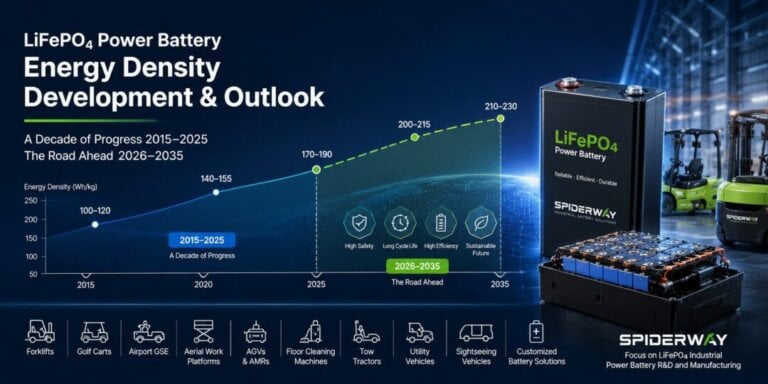
Commercial LiFePO4 cells have seen substantial improvements over the past decade. The table below outlines representative energy density levels and key milestones for each year, based on industry publications and manufacturer data. Actual values vary by manufacturer and application.
| Year | Typical Commercial Cell Energy Density (Wh/kg) | Major Technology Milestones |
|---|---|---|
| 2015 | 100–120 | Conventional graphite anode, standard LFP cathode |
| 2016 | 110–125 | Improved cathode particle engineering |
| 2017 | 115–130 | Better electrolyte formulations |
| 2018 | 120–140 | High compaction electrode technology |
| 2019 | 130–150 | Larger-format prismatic cells |
| 2020 | 140–155 | Manufacturing optimization |
| 2021 | 150–165 | Blade Battery architecture gains industry attention |
| 2022 | 155–170 | Cell-to-Pack (CTP) technology matures |
| 2023 | 160–175 | Structural pack integration improves system efficiency |
| 2024 | 165–180 | Silicon-enhanced anodes enter selected products |
| 2025 | 170–190 | High-density commercial LFP cells become mainstream |
Commercial LiFePO4 cell energy density has increased by roughly 60–80% while preserving safety and durability.
Key Technologies Driving Higher Energy Density
1. Advanced LFP Cathode Materials
Nano-engineered LiFePO4 particles enable faster lithium-ion diffusion, higher packing density, lower internal resistance, and improved high-rate discharge, boosting usable capacity without shortening cycle life.
2. Silicon-Enhanced Anodes
Blending silicon into graphite anodes raises lithium storage capacity and supports fast charging. Partial silicon integration is now commercially viable, while pure silicon anodes remain challenging.
3. Cell-to-Pack (CTP) Architecture
CTP removes intermediate modules between cells and the pack, increasing active material, cutting structural weight, raising pack energy density, and simplifying manufacturing.
4. Blade Battery Design
Blade-shaped LFP cells improve volumetric energy density, thermal management, crash safety, and structural rigidity, accelerating global LFP adoption.
5. Manufacturing Precision
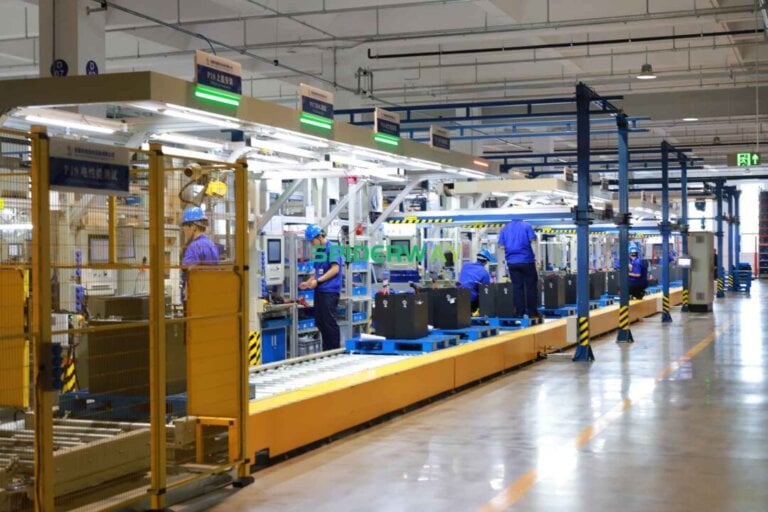
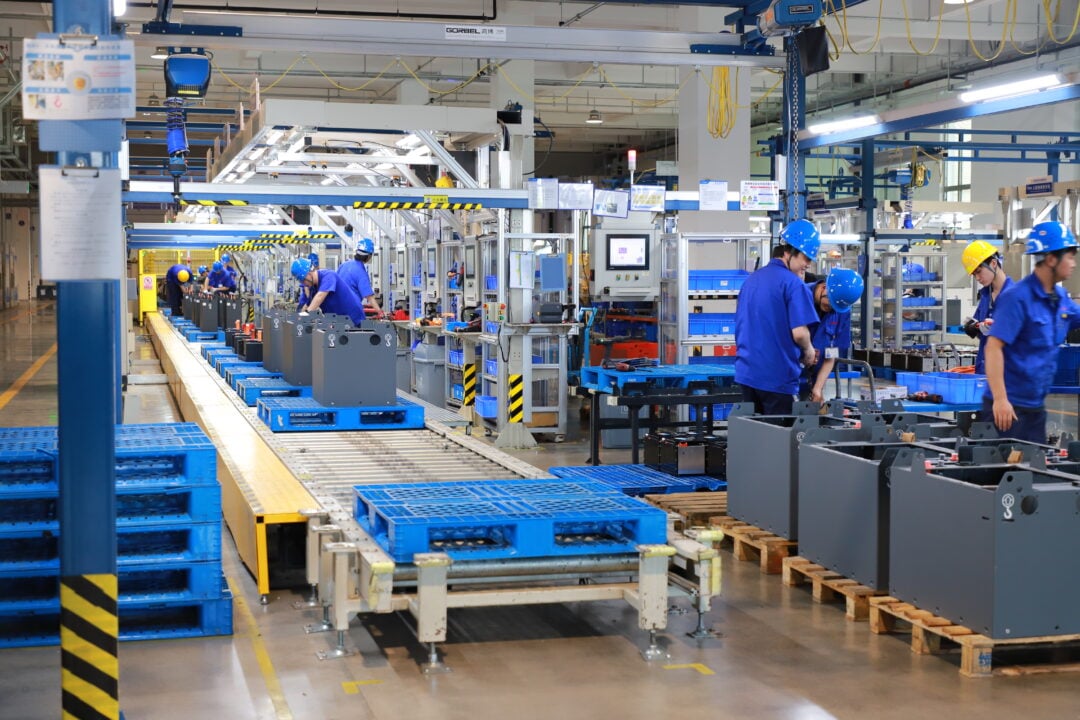
Modern production lines use better electrode coating consistency, laser welding, automated stacking, AI-assisted inspection, and improved electrolyte filling, reducing inactive material weight.

Pack-Level Energy Density Improvements
Pack design is equally crucial. Modern industrial packs leverage lightweight aluminum housings, integrated BMS, structural optimization, efficient cooling, and compact wiring. Today’s LFP packs typically achieve 140–170 Wh/kg at the pack level, depending on application and safety needs.
Future LiFePO4 Energy Density Outlook (2026–2035)
| Year | Expected Commercial Cell Energy Density |
|---|---|
| 2026 | 180–195 Wh/kg |
| 2028 | 190–205 Wh/kg |
| 2030 | 200–215 Wh/kg |
| 2035 | 210–230 Wh/kg |
Further gains will come from silicon-rich anodes, dry electrode manufacturing, advanced electrolyte additives, improved conductive networks, structural battery integration, and AI-driven design. LFP is expected to remain dominant in commercial vehicles, industrial equipment, energy storage, and mainstream EVs through the next decade.
Energy Density Is Only One Part of Battery Performance
Industrial buyers should evaluate batteries across multiple criteria. The table ranks key indicators by importance.
| Performance Indicator | Importance |
|---|---|
| Energy Density | ★★★★★ |
| Cycle Life | ★★★★★ |
| Safety | ★★★★★ |
| Thermal Stability | ★★★★★ |
| Fast Charging | ★★★★☆ |
| Low Temperature Performance | ★★★★☆ |
| Maintenance Requirements | ★★★★★ |
| Total Cost of Ownership | ★★★★★ |
For forklifts, airport GSE, AGVs, golf carts, aerial work platforms, and warehouse vehicles, maximizing uptime often outweighs chasing the highest energy density.
Why Industrial Equipment Continues to Favor LiFePO4
LiFePO4 offers excellent thermal stability, extremely low thermal runaway risk, long service life (often 4,000–6,000 cycles), stable high-current discharge, low maintenance, lower total lifecycle cost, and tolerance for daily intensive charging. These attributes explain its preference in industrial mobility worldwide.

SPIDERWAY: Focused on Industrial LiFePO4 Power Battery Innovation
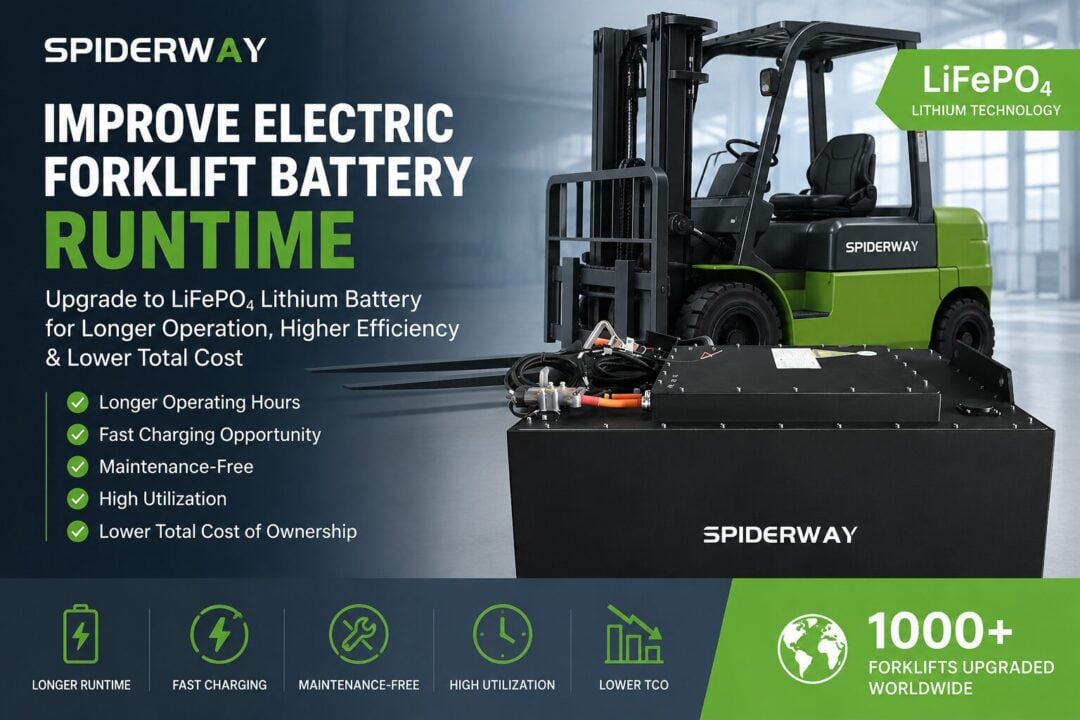
SPIDERWAY builds high-performance LiFePO4 industrial traction battery systems for demanding environments. The product line includes forklift lithium batteries, golf cart lithium batteries, airport ground support equipment batteries, aerial work platform batteries, AGV and AMR batteries, floor cleaning machine batteries, tow tractor batteries, utility vehicle (UTV) batteries, sightseeing vehicle batteries, and customized industrial battery systems.
Every SPIDERWAY battery prioritizes high safety, long cycle life, stable high-current output, intelligent Battery Management System (BMS), fast opportunity charging, maintenance-free operation, wide operating temperature range, and OEM or customized solutions. Instead of pursuing laboratory records, the company concentrates on dependable battery systems that maximize uptime, reduce operating costs, and ensure long-term reliability for industrial fleets globally.
As LiFePO4 technology progresses, SPIDERWAY remains committed to advancing industrial lithium battery innovation, helping businesses improve productivity, lower total ownership costs, and transition toward cleaner electric mobility.
Supplier & Author Profile

- SpiderwayVerified
SPIDERWAY is a trusted LiFePO4 battery manufacturer specializing in golf cart, marine, RV, solar energy storage, industrial, and custom lithium battery solutions. We deliver OEM/ODM services, factory-direct quality, global shipping, and expert support for distributors, brands, and wholesale buyers worldwide.
Latest entries
- 2026-09-17Liquid-Cooled LiFePO4 Battery Packs for Heavy-Duty Electric Machinery
- 2026-09-16598.92V 180.87kWh High-Voltage Lithium Battery System for Heavy-Duty Electric Machinery
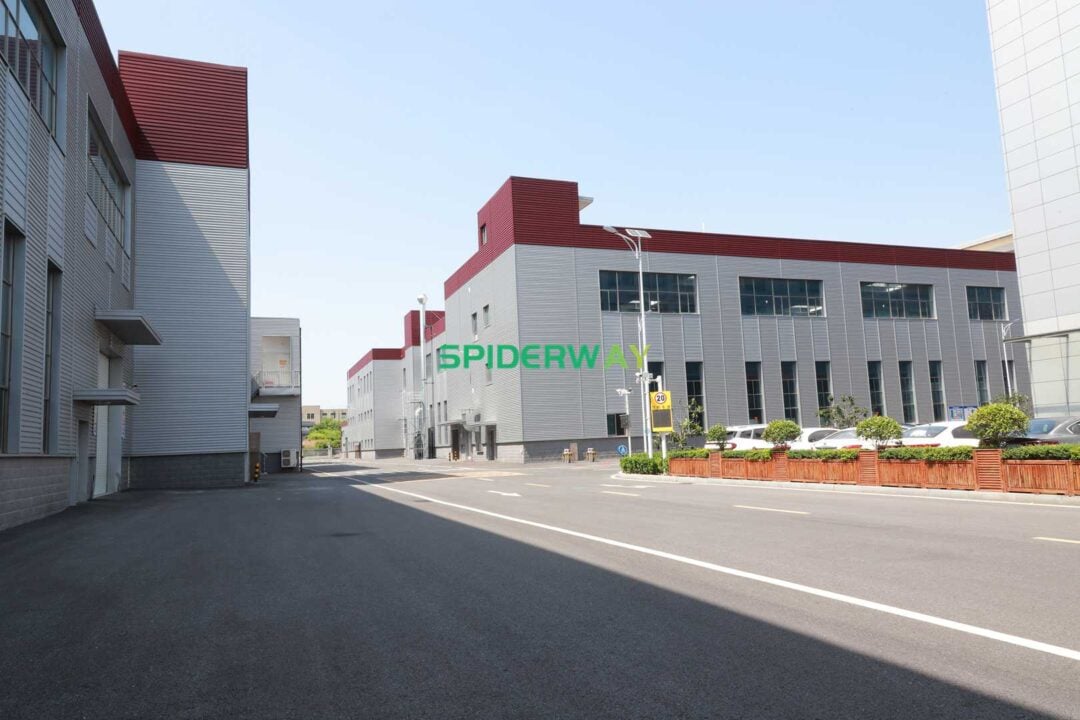
- 2026-09-08Exploring SPIDERWAY’s LiFePO4 Battery Plant in Hefei: A Look Inside an Advanced Industrial Lithium Battery Production Line
- 2026-09-08Evolution of LiFePO4 Battery Energy Density: A Decade of Advances and Future Outlook (2015–2035)