LiFePO₄ Battery Cycle Life vs. Other Lithium Battery Chemistries: A Detailed Technical Comparison
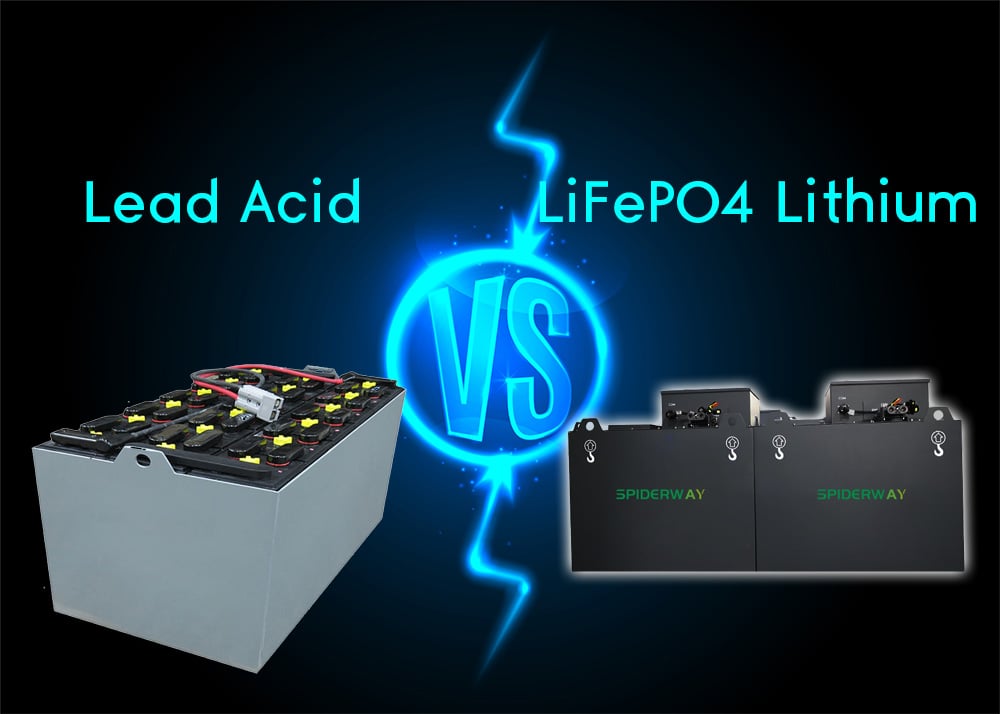
Selecting the right lithium battery for electric vehicles, forklifts, aerial work platforms, golf carts, warehouse equipment, or energy storage systems hinges on one critical performance metric: cycle life. But not all lithium-ion batteries age the same way. The cathode chemistry—whether lithium cobalt oxide (LCO), lithium manganese oxide (LMO), nickel manganese cobalt (NMC), nickel cobalt aluminum (NCA), lithium iron phosphate (LFP), or lithium titanate (LTO)—determines how many charge-discharge cycles a battery can deliver before its capacity degrades. Each chemistry presents a unique trade-off among cycle life, energy density, power capability, thermal stability, and cost.
For industrial vehicles that operate multiple shifts per day, the choice of chemistry has a direct impact on total cost of ownership. LiFePO₄ (LFP) stands out for applications requiring frequent deep cycling over many years, while LTO can surpass LFP in cycle count but at the expense of energy density and system cost. This article provides a comprehensive comparison of these chemistries, focusing on cycle life and its implications for industrial applications.
Understanding Battery Cycle Life
A battery cycle is not simply one plug-in event. One full cycle equals the discharge of 100% of usable capacity and subsequent recharge. For example, discharging to 50%, recharging, then repeating that process constitutes roughly one full cycle. Cycle life is typically specified under controlled test conditions, including depth of discharge (DoD), charge/discharge currents, operating temperature, charging voltage, cut-off voltage, rest periods, and the capacity-retention threshold that defines end-of-life.
Consequently, a claim of “5,000 cycles” is meaningless without context. Manufacturers may report different numbers because testing methods, cell designs, and end-of-life criteria vary significantly. As Battery University notes, cycle life is strongly influenced by depth of discharge, temperature, and charging conditions; partial cycling typically yields far more cumulative cycles than repeated 0–100% discharges.
Comparative Cycle Life of Lithium Battery Chemistries
The following table presents representative cycle-life ranges and key characteristics for each chemistry. These figures are illustrative, not guaranteed commercial specifications, as actual performance depends on cell design, battery management, and operating conditions.
| Chemistry | Typical Cycle Life* | Energy Density | Thermal Stability | Main Advantage | Main Limitation |
|---|---|---|---|---|---|
| LFP / LiFePO₄ | ~2,000–8,000+ | Moderate | Excellent | Long life and safety | Lower energy density |
| NMC | ~1,200–5,000+ | High | Moderate | Excellent energy-power balance | Sensitive to thermal and charging conditions |
| NCA | ~1,000–2,000+ | Very high | Moderate | High specific energy | Thermal management requirements |
| LMO | ~500–3,000 | Moderate | Good | High power capability | Faster degradation |
| LCO | ~500–1,000 | High | Relatively low | High energy density | Limited cycle life and power |
| LTO | ~3,000–10,000+ | Low | Excellent | Exceptional cycle life and fast charging | Very high cost and low energy density |
*Representative ranges from published technical literature. A recent review reports LFP around 5,000 cycles, NMC around 2,000, NCA around 2,000, LMO 1,000–3,000, and LCO 500–1,000 under defined test conditions; other studies show wider ranges depending on DoD and methodology.
1. LiFePO₄ (LFP): A Leading Chemistry for Long-Cycle Applications
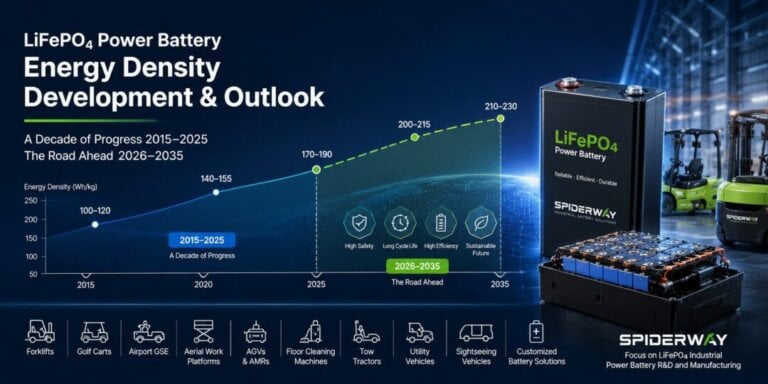
Lithium iron phosphate (LiFePO₄) employs an olivine phosphate cathode, inherently stable during lithium-ion insertion and extraction. Typical LFP cells have a nominal voltage of 3.2–3.3 V per cell. Published sources commonly report cycle life from ~2,000 to several thousand cycles, with some applications exceeding that under optimized conditions.
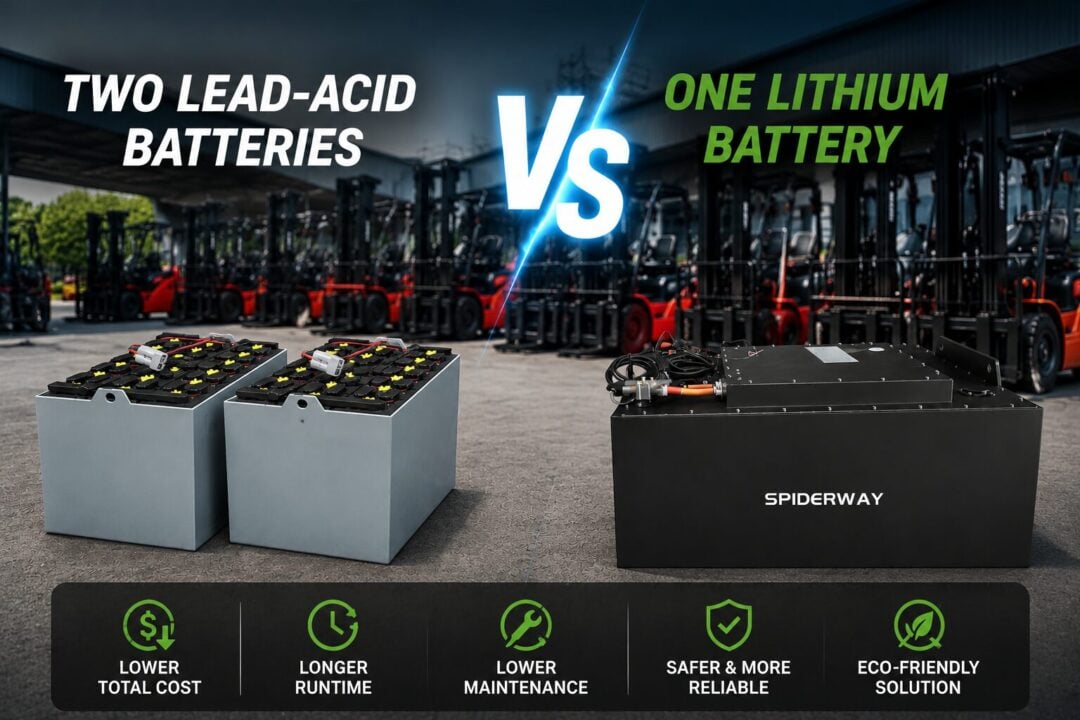
Why LFP Achieves Long Cycle Life
- Reduced structural degradation during cycling
- Excellent thermal stability
- Robust resistance to high-rate cycling
- Long calendar and cycle life with proper management
- Better tolerance of frequent deep cycling than many conventional chemistries
For industrial equipment such as forklifts, aerial work platforms, floor scrubbers, and ground support equipment (GSE), these properties translate into years of reliable operation. Unlike consumer electronics, where energy density reigns, industrial vehicles prioritize longevity and predictable performance.
2. NMC: High Energy Density with a Balanced Profile
Lithium Nickel Manganese Cobalt Oxide (NMC) is widely used for its balanced performance. It offers high energy density, good power output, relatively high cell voltage, and compact packaging. Published references commonly place NMC around 1,000–4,000 cycles, with some modern cells exceeding that under favorable conditions.
LFP vs NMC
When weight and physical size are critical, NMC’s higher energy density gives it an edge. However, for applications requiring frequent deep cycling—common in industrial fleets—LFP provides a durability advantage that can lower lifetime costs. The choice ultimately depends on whether energy density or longevity is the priority.
3. NCA: High Energy Density for Energy-Constrained Applications
Lithium Nickel Cobalt Aluminum Oxide (NCA) is known for very high specific energy and has been used in high-performance electric vehicles. Published data indicates a cycle life of approximately 1,000–2,000 cycles under representative conditions. NCA requires sophisticated thermal and battery management, making it less ideal for industrial applications where durability trumps weight savings.
4. LMO: Good Power, Moderate Longevity
Lithium manganese oxide (LMO) delivers good power capability and moderate thermal characteristics at a relatively low material cost. However, its cycle life (~500–3,000 cycles) is generally lower than LFP. LMO is often blended with NMC to balance properties, but it’s less suitable for heavy-duty industrial cycling.
5. LCO: High Energy Density but Limited Cycle Life
Lithium cobalt oxide (LCO) was an early commercial lithium-ion chemistry, used extensively in smartphones and laptops. While it provides good energy density, cycle life (typically 500–1,000 cycles) and thermal stability are not strong suits. This makes LCO unsuitable for industrial vehicles that undergo thousands of cycles.

6. LTO: The Long-Life Specialist
Lithium titanate (LTO) replaces the graphite anode with lithium titanate, enabling exceptional durability, very fast charging, and high-power operation. Some sources cite 3,000–7,000 cycles, with system-level specs even higher. However, LTO’s low energy density and high cost limit its use to specialized applications where extreme cycling and rapid charging are paramount.
Qualitative Comparison of Key Parameters
| Parameter | LFP | NMC | NCA | LMO | LCO | LTO |
|---|---|---|---|---|---|---|
| Cycle Life | ★★★★★ | ★★★★ | ★★★ | ★★★ | ★★ | ★★★★★+ |
| Energy Density | ★★★ | ★★★★★ | ★★★★★ | ★★★ | ★★★★ | ★★ |
| Thermal Stability | ★★★★★ | ★★★ | ★★★ | ★★★★ | ★★ | ★★★★★ |
| Fast Charging | ★★★★ | ★★★★ | ★★★ | ★★★★ | ★★★ | ★★★★★ |
| Deep-Cycle Suitability | ★★★★★ | ★★★★ | ★★★ | ★★★ | ★★ | ★★★★★ |
| Cost Efficiency | ★★★★★ | ★★★★ | ★★★ | ★★★★ | ★★ | ★★ |
| Industrial Vehicle Suitability | ★★★★★ | ★★★★ | ★★★ | ★★★ | ★★ | ★★★★ |
These ratings are qualitative, intended for application-level comparison rather than laboratory specifications.
Why Cycle Life Matters for Industrial Vehicles
Consider a battery completing one equivalent full cycle per working day. At 1,000 cycles, that’s ~2.7 years; at 2,000 cycles, ~5.5 years; 3,000 cycles, ~8.2 years; 5,000 cycles, ~13.7 years. These are theoretical equivalents, as calendar aging, temperature, and load can reduce actual service life. But for multi-shift operations, the cycling rate is even higher, making a durable chemistry like LFP economically advantageous despite a higher upfront cost.
Cycle Life vs. Calendar Life
Cycle life measures charge-discharge cycles before capacity loss, while calendar life is how long a battery remains usable regardless of cycling. A battery can have high cycle life but age prematurely due to high temperature, prolonged high state of charge, or high voltage storage. Thermal management and BMS control are critical to maximizing real-world life.
Depth of Discharge and Its Impact
Depth of discharge (DoD) significantly affects cycle life. Repeated full discharges (100% to 0%) stress the battery more than shallow cycling. Published data shows that reducing DoD dramatically increases usable cycles, with LFP showing particularly strong improvement under partial cycling. An intelligent BMS helps prevent overcharge, over-discharge, excessive current, cell imbalance, and high temperature, optimizing durability beyond the raw chemistry.
Why LFP Suits Industrial Applications
Industrial vehicles demand long hours of operation, high peak currents, frequent charging, and predictable performance. LFP’s combination of long cycle life, thermal stability, deep-cycle resilience, and cost-effectiveness makes it a leading choice for forklifts, AWPs, GSE, golf carts, and floor scrubbers.
Beyond Chemistry: The Complete Battery System
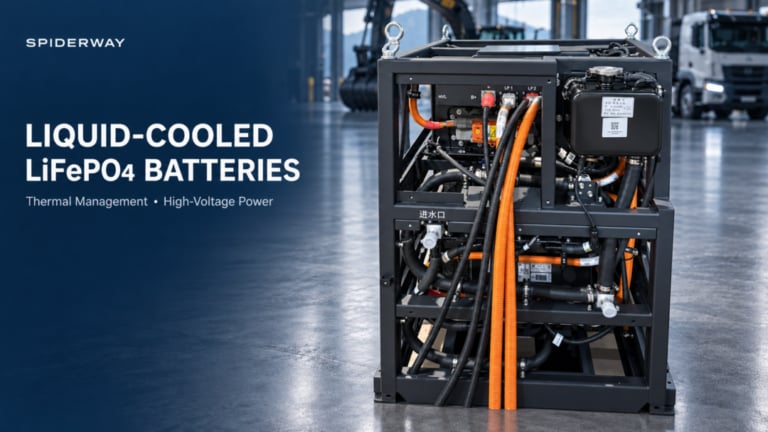
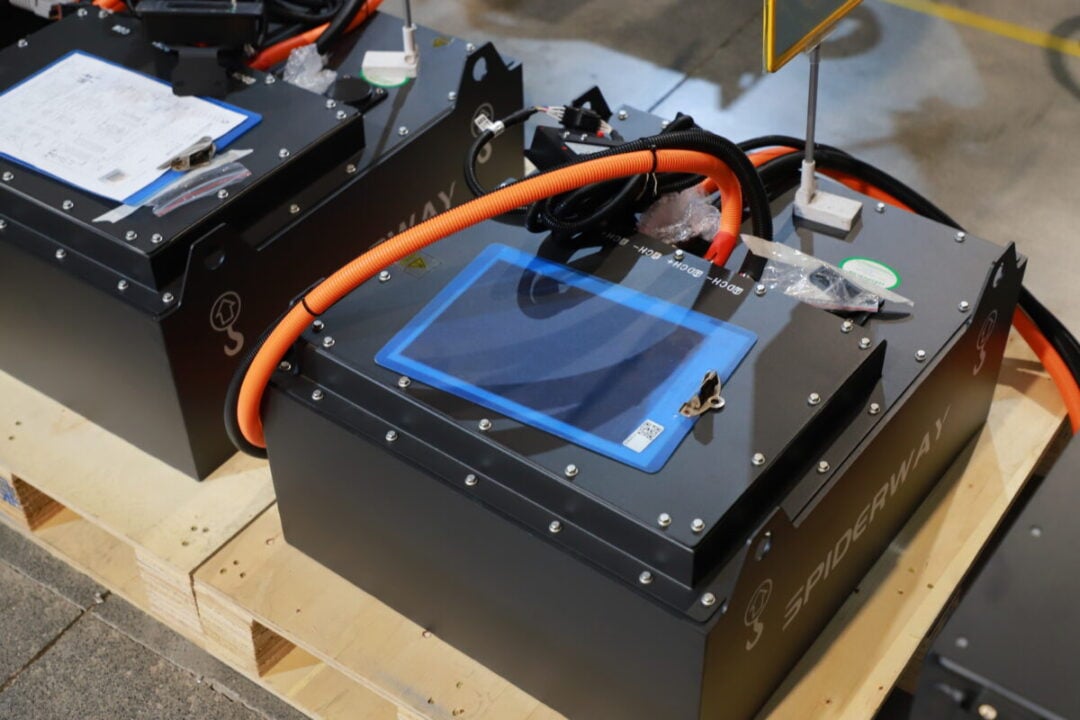
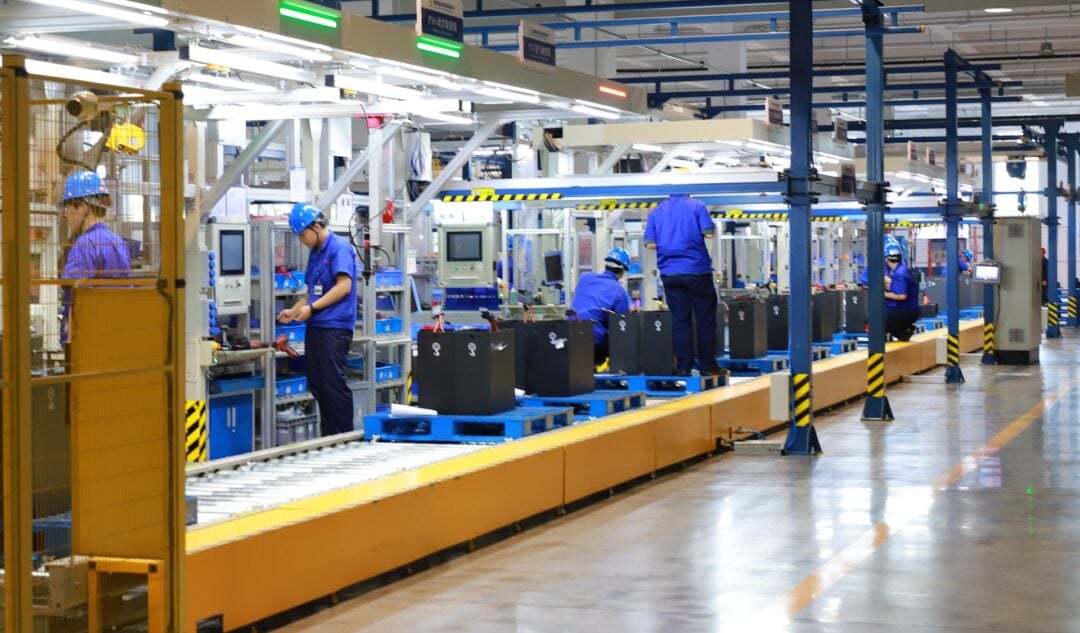
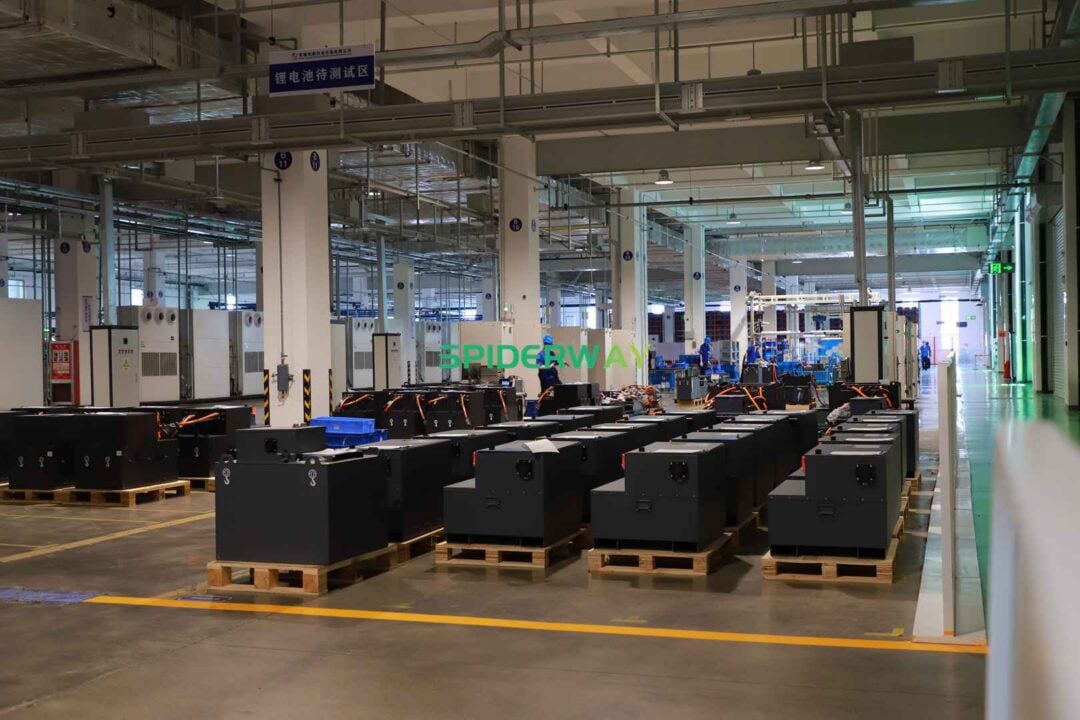
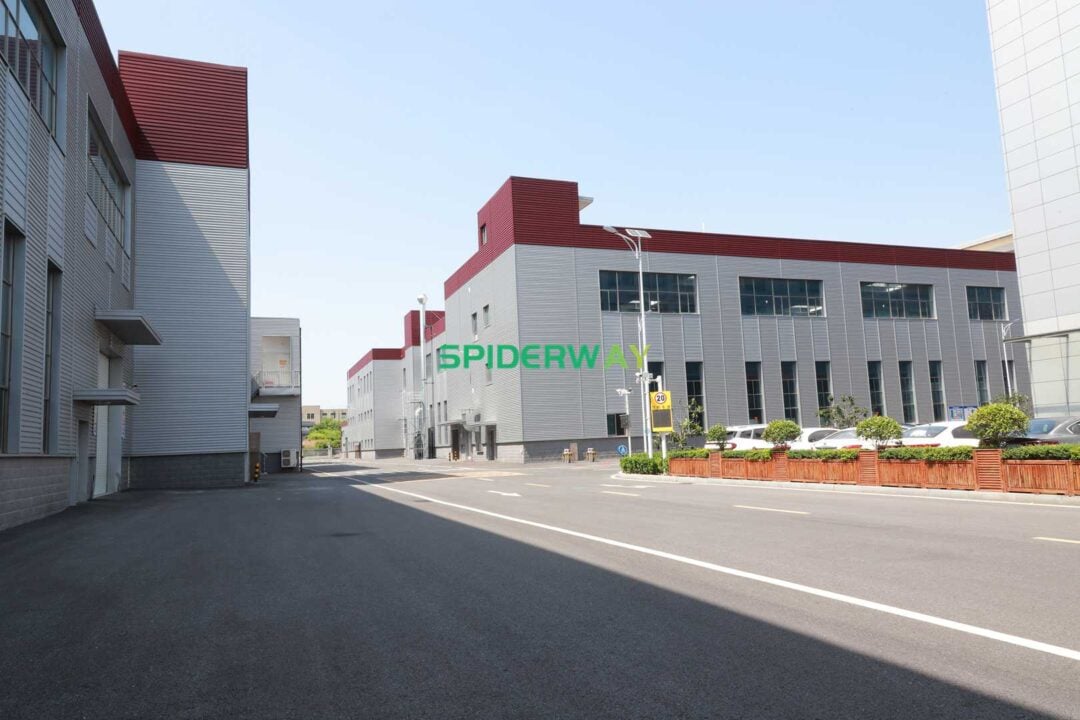
The chemistry alone doesn’t determine real-world performance. Cell quality, consistency, busbar design, thermal management, BMS architecture, protection strategies, charging systems, and manufacturing quality all play crucial roles. A well-engineered LFP battery integrates durable cells with a robust BMS, charger, enclosure, and communication interfaces to deliver years of service.
SPIDERWAY LiFePO₄ Battery Solutions
SPIDERWAY, a China-based manufacturer, specializes in LiFePO₄ battery systems for industrial vehicles. They offer solutions for electric forklifts, aerial work platforms, ground support equipment, golf carts, floor scrubbers, and custom applications. For OEM and ODM projects, SPIDERWAY customizes voltage, capacity, physical dimensions, BMS architecture, and communication protocols to integrate seamlessly with various vehicle platforms. This system-level approach ensures that the battery, BMS, charger, and vehicle controller work together for optimal performance and longevity.
Choosing the Right Chemistry: A Decision Framework
Choose LFP when you need:
- Long cycle life
- Frequent deep cycling
- High safety
- Reliable industrial operation
- Good total cost of ownership
- Stable performance over many years
Choose NMC when you need:
- Higher energy density
- Compact battery packaging
- Good balance between power and energy
Choose NCA when:
- Weight reduction is extremely important
- High specific energy is a primary requirement
Choose LMO when:
- High power is important
- Cost and power capability need to be balanced
Choose LCO when:
- Compact consumer electronics are the target
- High energy density is more important than long cycle life
Choose LTO when:
- Extremely high cycle life is required
- Ultra-fast charging is essential
- Cost and energy density are secondary
Final Thoughts
Battery chemistry is always a trade-off. LTO offers exceptional cycle life but at high cost and low energy density; NMC and NCA deliver high energy density but require more careful thermal management. LFP strikes a unique balance, providing long cycle life, thermal stability, deep-cycle capability, and practical economics—making it particularly well-suited for industrial vehicles. For fleet operators and OEMs, the critical question isn’t merely “How many cycles?” but “How many years of productive operation can the complete battery system deliver under real working conditions?” SPIDERWAY answers this question by focusing on the entire system—cell chemistry, BMS engineering, thermal management, and charger compatibility—to deliver LiFePO₄ solutions that maximize lifetime value.
Supplier & Author Profile

- SpiderwayVerified
SPIDERWAY is a trusted LiFePO4 battery manufacturer specializing in golf cart, marine, RV, solar energy storage, industrial, and custom lithium battery solutions. We deliver OEM/ODM services, factory-direct quality, global shipping, and expert support for distributors, brands, and wholesale buyers worldwide.
Latest entries
- 2026-09-17Liquid-Cooled LiFePO4 Battery Packs for Heavy-Duty Electric Machinery
- 2026-09-16598.92V 180.87kWh High-Voltage Lithium Battery System for Heavy-Duty Electric Machinery
- 2026-09-08Exploring SPIDERWAY’s LiFePO4 Battery Plant in Hefei: A Look Inside an Advanced Industrial Lithium Battery Production Line
- 2026-09-08Evolution of LiFePO4 Battery Energy Density: A Decade of Advances and Future Outlook (2015–2035)