China’s Tire Industry Goes Global: Trends, Challenges, and Strategies for 2026 and Beyond
Introduction: The New Frontier in Global Tire Manufacturing
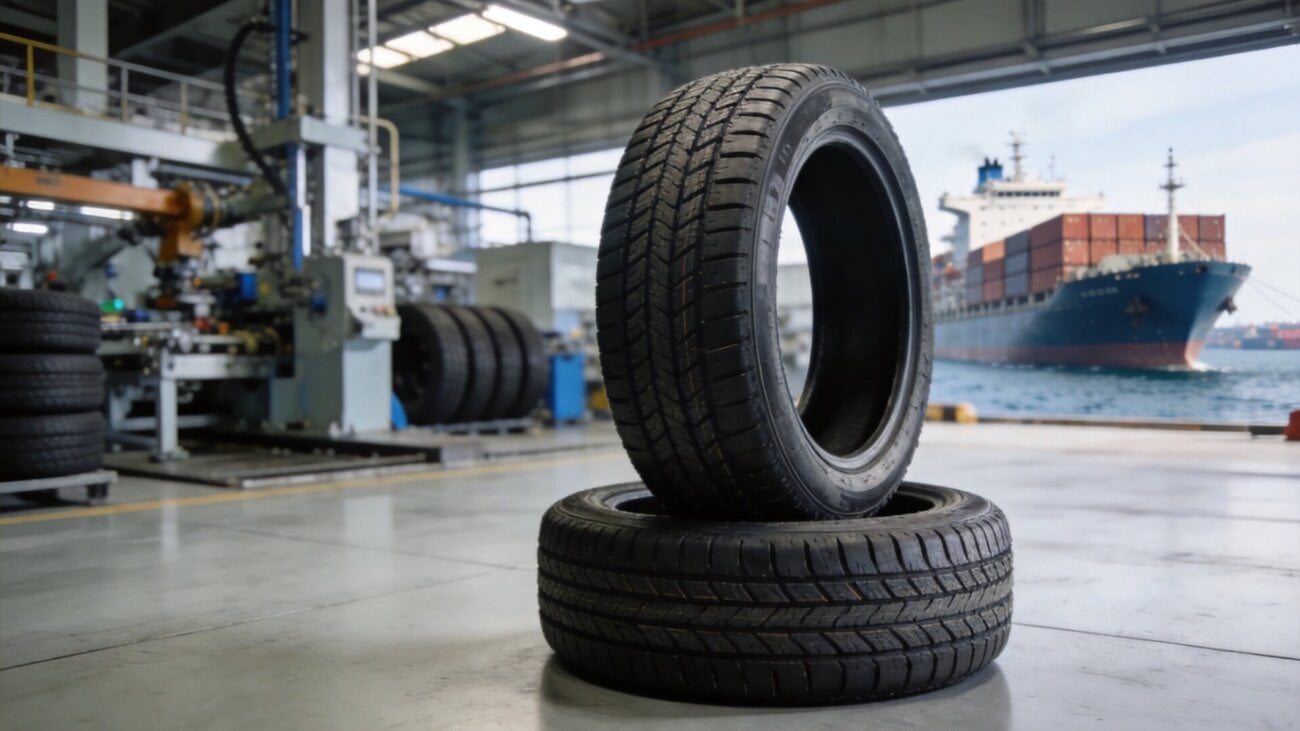
China has long been the world’s leading tire producer, accounting for nearly 40% of global output. However, the domestic market is mature, and growth now hinges on internationalization. Over the past decade, Chinese tire manufacturers have transformed from low-cost OEM suppliers to aspiring global brands, investing heavily in overseas factories and R&D centers. This shift is driven by multiple factors: saturated domestic demand, trade tariffs, raw material cost volatility, and the need to build brand equity in higher-margin markets. The Belt and Road Initiative (BRI) has further provided logistical and financial support, enabling Chinese companies to establish production bases in Southeast Asia, Eastern Europe, and Africa. Yet, the path is fraught with challenges—antidumping duties, technological gaps in high-performance tires, and cultural barriers in brand management. This article dissects the current landscape, key drivers, regional strategies, and future outlook for China’s tire industry going global.
Current Export Dynamics and Global Market Share
In 2023, China exported over 600 million tires, representing roughly 25% of global trade volume. The United States, European Union, and Southeast Asia are the top destinations, though trade disputes have reshaped flows. For instance, US tariffs on Chinese passenger tires under Section 301 remain at 25%, prompting many manufacturers to shift production to Vietnam, Thailand, and Cambodia. According to customs data, China’s tire exports to Africa and Latin America are growing at 15% annually, driven by infrastructure projects and rising vehicle ownership. Interestingly, Chinese tire makers now control a growing share of the replacement market in Europe and North America, particularly in mid-range and budget segments. Brands like Sailun, Linglong, and Triangle have achieved volume penetration, but price positioning remains the primary competitive advantage. Moving forward, the challenge is to move up the value chain and capture premium segments dominated by Michelin, Bridgestone, and Goodyear. The global shift towards electric vehicles (EVs) also offers a unique opportunity, as EV-specific tires require different characteristics—lower rolling resistance, reduced noise, and higher load capacity—areas where Chinese R&D is rapidly advancing.
Drivers of Overseas Expansion
Several macroeconomic and industry-specific forces are propelling Chinese tire companies abroad. First, domestic market saturation: With annual production capacity exceeding 1.8 billion tires, overcapacity at home has pushed margins to razor-thin levels. Exporting is no longer just about selling surplus; it’s about survival. Second, tariff circumvention: To bypass anti-dumping duties imposed by the US, EU, and India, Chinese firms have set up factories in Southeast Asia. For example, Sailun’s plant in Vietnam produces 10 million tires annually, with most destined for the US market. Third, raw material access: Natural rubber, a key input, is primarily sourced from Thailand, Indonesia, and Malaysia. Establishing production near the source reduces logistics costs and supply chain risks. Fourth, brand premium: Operating in mature markets forces Chinese firms to improve quality, safety certifications, and after-sales service, gradually lifting brand equity. Fifth, technological collaboration: Setting up R&D centers in Germany, Japan, or the US provides access to cutting-edge tire technology and talent. Finally, government support via BRI—including preferential loans, insurance, and diplomatic backing—lowers the risk of investing in emerging markets. These drivers collectively make overseas expansion not a choice but a strategic imperative for leading Chinese tire manufacturers.
Regional Spotlight: Key Markets and Entry Strategies
Chinese tire companies employ differentiated strategies across regions. In Southeast Asia, they focus on building large-scale, low-cost production bases to serve both local demand and re-export to Western markets. Countries like Vietnam, Thailand, and Indonesia are attractive due to favorable trade agreements and abundant natural rubber. However, competition from local manufacturers (Bridgestone, Michelin) and increasing regulatory scrutiny (e.g., US anti-dumping on off-road tires from Vietnam) add complexity. In Africa, Chinese brands partner with local distributors to tap into the booming construction and mining sectors, offering durable tires at competitive prices. The Middle East is a growing market due to oil-driven transportation demand; Chinese firms like Zhongce Rubber (Westlake) have established strong dealer networks. Europe remains the most challenging battleground. Stringent labeling regulations (EU Tire Label), environmental standards, and high consumer loyalty require long-term brand investment. Some Chinese companies have acquired European brands (e.g., Sailun’s acquisition of a German design firm) or set up R&D centers in Hanover. In North America, the US market is largely served via Southeast Asian factories, but Chinese brands still suffer from “country of origin” stigma. A growing trend is to establish assembly or mixing centers in Mexico to leverage USMCA benefits. A critical entry strategy is to secure global certifications such as ECE, DOT, and CCC, which are prerequisites for each market. Additionally, building local warehousing and logistics networks ensures fast delivery times—a key competitive factor against established players.
Overcoming Challenges: Trade Barriers, Branding, and Compliance
Despite rapid progress, Chinese tire manufacturers face formidable obstacles. Trade barriers are the most immediate: ongoing anti-dumping and countervailing duties from the US (on passenger and light truck tires), EU (TBR tires), and other countries. These measures can effectively double the tariff rate, eroding cost advantages. To counteract, companies must invest in legal defense and lobby through industry associations. Branding remains a long-term challenge. Chinese tires are often perceived as cheap and lacking in reliability—a perception reinforced by early quality issues. Building a premium brand requires consistent investment in motorsport sponsorships, safety testing (e.g., TÜV approvals), and transparent marketing. For example, Linglong’s participation in the Dakar Rally has improved its image. Compliance with diverse regulatory frameworks (REACH in Europe, DOT in the US, BIS in India) demands dedicated teams. Environmental and social governance (ESG) is also rising in importance; buyers now scrutinize carbon footprints and labor practices. One notable success case is Sailun, which invested in a fully automated “smart factory” in Vietnam, achieving zero-waste production and gaining a sustainability edge. Another challenge is supply chain resilience: the pandemic and Red Sea disruptions highlighted the need for diversified sources and inventory buffers. Overall, Chinese firms must move from a purely cost-driven model to a quality-and-brand-driven model, supported by robust compliance management.
Strategic Framework for Successful Globalization
To thrive in the global market, Chinese tire companies should adopt a multi-pronged strategic framework. First, localize production and supply chains: establish factories in target regions to reduce tariff exposure and lead times. Second, upgrade technology and R&D: invest in AI-driven tire design, simulation software, and new materials like silica-reinforced compounds to match global performance standards. Third, build strong brands through consistent product quality, customer service, and targeted marketing—leveraging digital channels (e-commerce, social media) in young markets is especially effective. Fourth, form strategic partnerships: collaborate with OEMs (like Geely, BYD) to supply original equipment tires, which builds credibility for aftermarket sales. Fifth, adopt a multi-brand portfolio strategy: use premium sub-brands (e.g., Sailun’s “Atlantic” for the US market) alongside economy tiers to cover different segments. Sixth, invest in talent and cross-cultural management: hire local managers and train Chinese expatriates in intercultural communication. Seventh, adhere to sustainability goals: develop low-rolling-resistance tires, recycle rubber, and disclose ESG reports to attract environmentally conscious buyers. Finally, leverage digital platforms for sales and service: use data analytics to predict demand, optimize inventory, and personalize marketing. A case in point is Zhongce Rubber, which launched a direct-to-consumer platform in Europe, bypassing traditional distributors and improving margins. This strategic framework is not optional; it is the blueprint for moving from volume-based to value-based international competition.
Technology and Sustainability: Future Differentiators
As the tire industry enters a new era, technology and sustainability will separate leaders from followers. Chinese companies have already made strides in smart manufacturing: Sailun’s “Dream Factory” in Vietnam uses robotics and IoT to achieve 99% efficiency and reduce waste. Linglong’s “5G+ Industrial Internet” project in Hubei showcases real-time quality monitoring. However, the next frontier is tire intelligence—incorporating sensors to monitor pressure, temperature, and tread wear. Such smart tires can enable predictive maintenance and fleet management, adding value for commercial clients. Equally important is sustainability. With the European Union imposing stricter carbon border taxes and eco-labels, Chinese exporters must decarbonize production. This includes using green electricity, developing bio-based rubber, and closing the loop with tire recycling. Several Chinese firms are already piloting “tire-to-carbon black” pyrolysis technologies. In addition, EV adoption creates demand for tires with lower rolling resistance, higher load capacity, and reduced noise. Chinese R&D centers are now patenting acoustic foam and asymmetric tread patterns specifically for EVs. The ability to produce at scale while meeting these technical requirements will be a major competitive advantage. Moreover, collaboration with global tech companies (e.g., Huawei) on cloud-based tire management platforms is opening new revenue streams. Forward-thinking Chinese tire executives see these trends not as burdens but as opportunities to leapfrog legacy competitors who are slower to adapt. By 2030, the best-positioned Chinese tire brands will be those that have fully integrated digitalization and circular economy principles into their global operations.
Future Outlook and Recommendations
Looking ahead to 2025-2030, China’s tire industry will continue its outward march, but at a more measured and strategic pace. I predict that the number of overseas factories will triple, particularly in Southeast Asia and Eastern Europe, with some pioneering plants in Africa. Trade tensions may escalate further, forcing Chinese companies to adopt even more localized supply chains—perhaps involving third-country production for sensitive markets. Brand value will slowly improve, but it will take a decade to reach parity with top-tier global brands. The biggest growth will come from the replacement market in developing countries (e.g., Nigeria, Indonesia, Brazil) where demand for affordable, durable tires is skyrocketing. Meanwhile, the EV transition will reshape product portfolios; Chinese tire makers could become dominant suppliers to Chinese EV manufacturers abroad, creating a captive ecosystem. To prepare, industry professionals should focus on five key recommendations: (1) invest in R&D for EV-specific and smart tires; (2) develop flexible manufacturing that can quickly adapt to changing tariffs; (3) build multi-local brand identities rather than relying on a single Chinese image; (4) form alliances with local distributors and service providers; and (5) adhere to global sustainability standards proactively. Government and industry associations should support collective marketing of “Made by China” quality, similar to Japan’s “Japan Brand” initiative. In conclusion, the global stage is set for Chinese tire manufacturers to transform from low-cost providers into respected global players. The journey is long, but the direction is clear—those who execute strategically will capture the opportunities of the next decade.
Supplier & Author Profile

Latest entries
- 2026-09-06Manufacturing & International Trade Terminology Guide: A Comprehensive Glossary for Global B2B Trade
- 2026-08-11LiFePO4 Batteries in Modern Agriculture: Powering the Next Generation of Smart Farming Equipment
- 2026-08-09One Lithium Battery vs Two Lead-Acid Batteries per Forklift: A Fleet-Level Comparison
- 2026-08-09Grow Your Business: Become a Certified SpiderWay Golf Cart Lithium Distributor