LiFePO4 Batteries in Modern Agriculture: Powering the Next Generation of Smart Farming Equipment
Modern agriculture is rapidly becoming more electrified, automated, and intelligent. From electric forklifts transporting produce to orchard picking platforms, automated cattle feeding machines, compact material-handling equipment, and agricultural drones, farms increasingly depend on reliable electrical power.
At the center of this transition is the LiFePO4 battery (Lithium Iron Phosphate battery).
Compared with traditional lead-acid batteries, LiFePO4 batteries offer a compelling combination of long cycle life, high efficiency, fast charging capability, low maintenance requirements, and excellent thermal stability. These characteristics make LiFePO4 batteries for agricultural equipment particularly suitable for modern farms where machinery may operate for long hours, experience frequent charge-discharge cycles, and work far from conventional charging infrastructure.
As an experienced manufacturer of industrial lithium battery systems, SPIDERWAY develops LiFePO4 power batteries for agricultural machinery and specialized electric equipment, including agricultural forklifts, orchard picking platforms, automated feeding machines, compact forklifts, agricultural drones, and customized agricultural vehicles.
Why LiFePO4 Batteries Are Becoming Important in Modern Agriculture
Agriculture is no longer powered exclusively by diesel engines and conventional lead-acid batteries. Electrification is expanding into material handling, livestock farming, orchard management, crop protection, autonomous machinery, agricultural robots, and other specialized equipment.
This creates a new challenge: agricultural equipment needs batteries capable of handling demanding operating conditions while minimizing downtime.
LiFePO4 technology offers several important characteristics for these applications.
1. Long Cycle Life
Agricultural machinery can experience intensive daily use, particularly during harvesting, planting, feeding, and logistics operations. LiFePO4 batteries are designed for thousands of charge-discharge cycles, making them suitable for equipment that must operate repeatedly over many years. A longer battery life can also reduce replacement frequency and improve the total cost of ownership of agricultural machinery.
2. Fast and Opportunity Charging
Traditional lead-acid batteries generally require longer charging periods and carefully managed charging schedules. LiFePO4 batteries can support significantly faster charging when paired with an appropriately designed charger and battery management system. This enables opportunity charging during lunch breaks, shift changes, equipment downtime, or other short operating intervals. For agricultural businesses, this can translate directly into higher equipment availability.
3. High Energy Efficiency
LiFePO4 batteries generally maintain relatively stable voltage throughout much of the discharge cycle. This allows motors, hydraulic systems, controllers, pumps, and other electrical components to receive consistent power during operation. Higher round-trip energy efficiency also means that more of the electricity used for charging is converted into usable energy. For farms increasingly incorporating solar PV, distributed renewable energy, or microgrids, efficient battery-powered machinery can become an important component of the overall farm energy ecosystem.
4. Low Maintenance Requirements
Lead-acid batteries can require regular inspection, watering, cleaning, equalization charging, and ventilation management. LiFePO4 battery systems eliminate routine electrolyte watering and substantially reduce daily battery maintenance. This is particularly valuable in agriculture, where machinery may be distributed across large farms, orchards, livestock facilities, warehouses, and remote operating areas.
5. Strong Thermal Stability
Battery safety is especially important in environments containing crops, animal feed, packaging materials, wooden structures, and agricultural chemicals. LiFePO4 chemistry is widely valued for its thermal stability compared with several other lithium-ion chemistries.
Combined with an intelligent Battery Management System (BMS), a properly engineered LiFePO4 battery can continuously monitor critical operating parameters such as:
- Cell voltage
- Pack voltage
- Charge and discharge current
- Battery temperature
- State of Charge (SOC)
- Overcharge and over-discharge conditions
- Short-circuit conditions
- Communication status
This combination of stable chemistry and intelligent electronic protection makes LiFePO4 particularly attractive for industrial and agricultural power applications.
Major Applications of LiFePO4 Batteries in Agriculture
The agricultural battery market is becoming increasingly diverse. Rather than powering only tractors or large vehicles, lithium batteries are now being integrated into many specialized machines operating throughout the agricultural production chain.
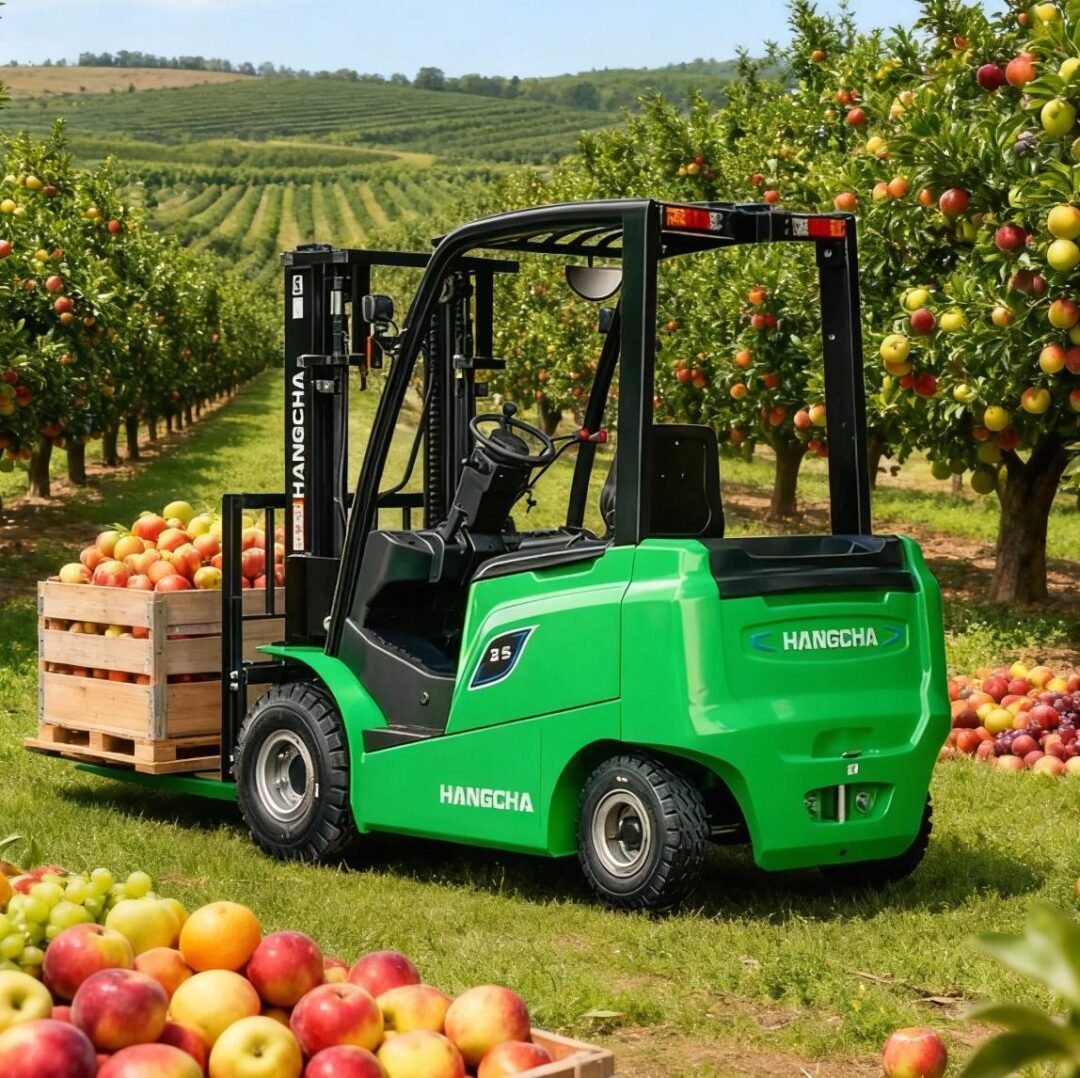
1. LiFePO4 Batteries for Agricultural Forklifts
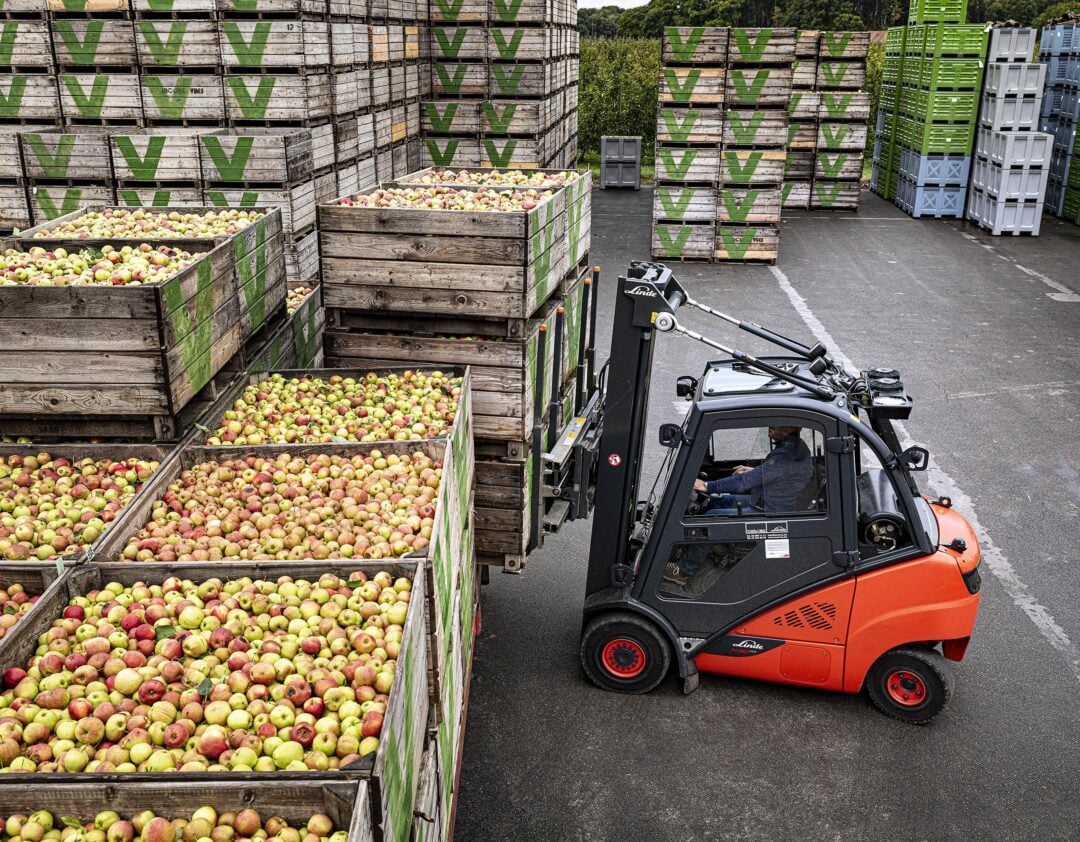
Forklifts play an important role throughout agricultural logistics. They are commonly used for moving:
- Fruit and vegetable pallets
- Fertilizer
- Animal feed
- Seeds
- Agricultural chemicals
- Packaging materials
- Harvested crops
- Cold-storage products
- Processing materials
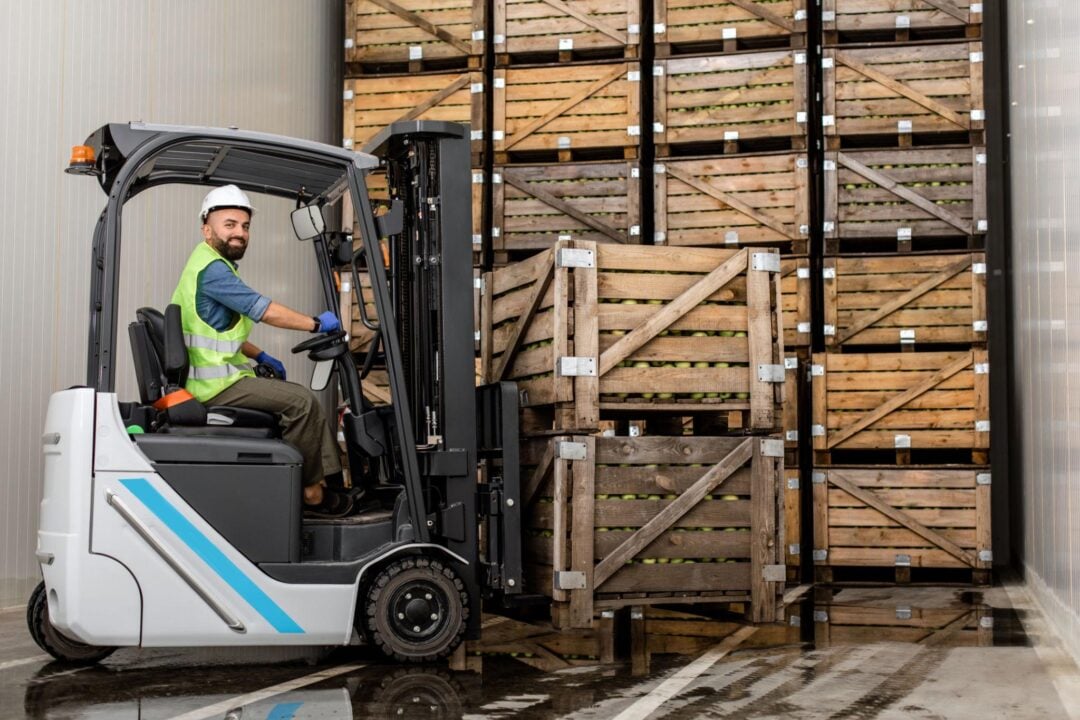
Agricultural operations may use forklifts inside warehouses, cold-storage facilities, packing houses, processing plants, greenhouses, and outdoor loading areas.
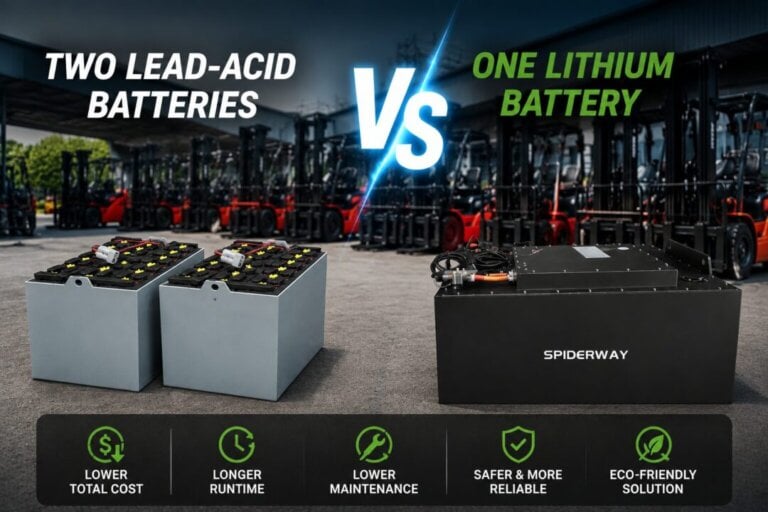
Replacing conventional lead-acid batteries with LiFePO4 forklift batteries can provide several operational advantages. Lithium batteries can support fast charging, opportunity charging, longer cycle life, and maintenance-free operation. They also eliminate battery watering and acid handling. For farms operating multiple shifts during peak harvest seasons, these characteristics can significantly simplify fleet management.
SPIDERWAY manufactures industrial LiFePO4 battery systems in multiple voltage and capacity configurations for electric forklifts and other material-handling equipment. Battery packs can be customized according to the forklift’s voltage, battery compartment dimensions, required capacity, connector, charger, communication protocol, and working conditions.
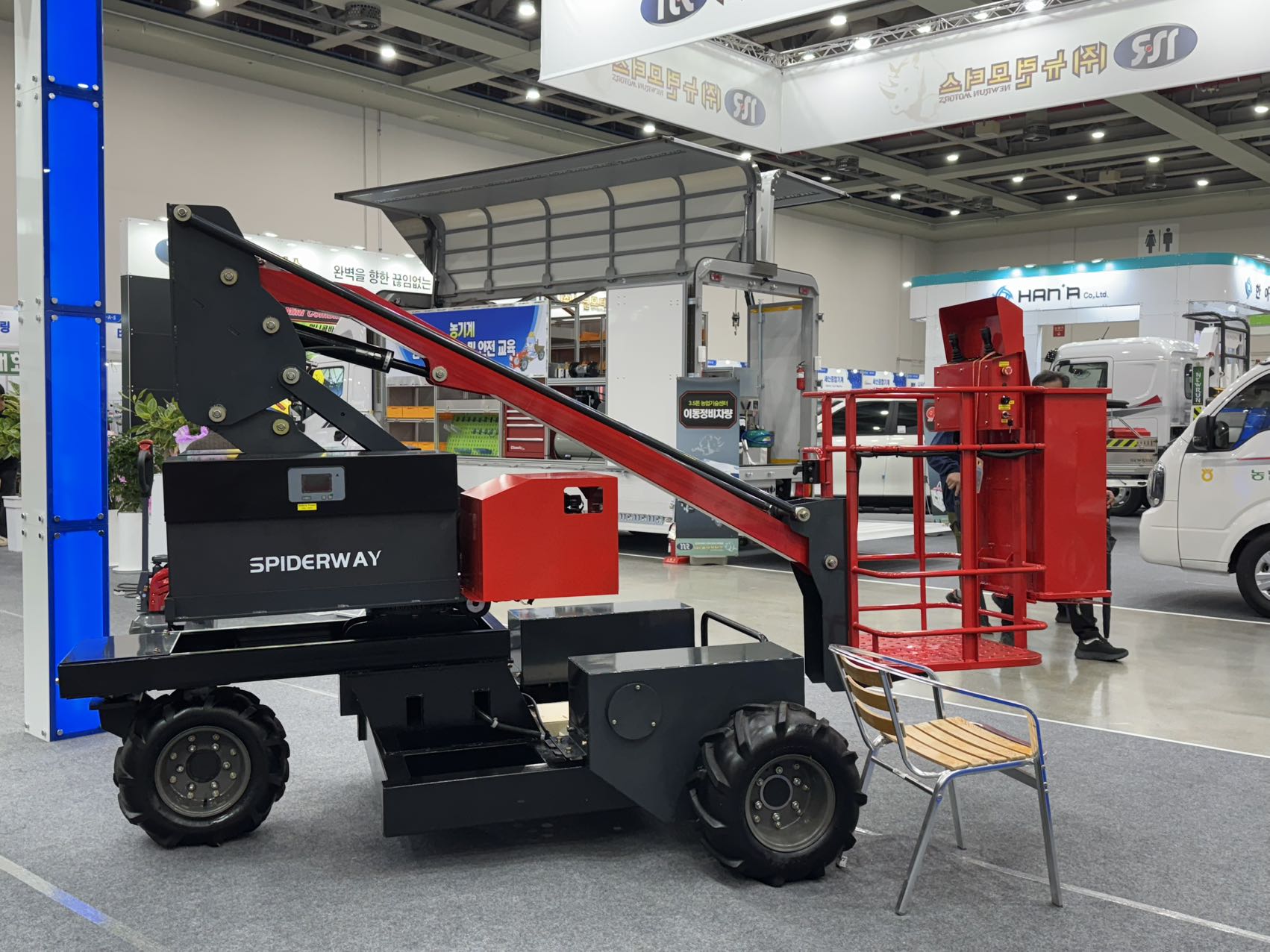
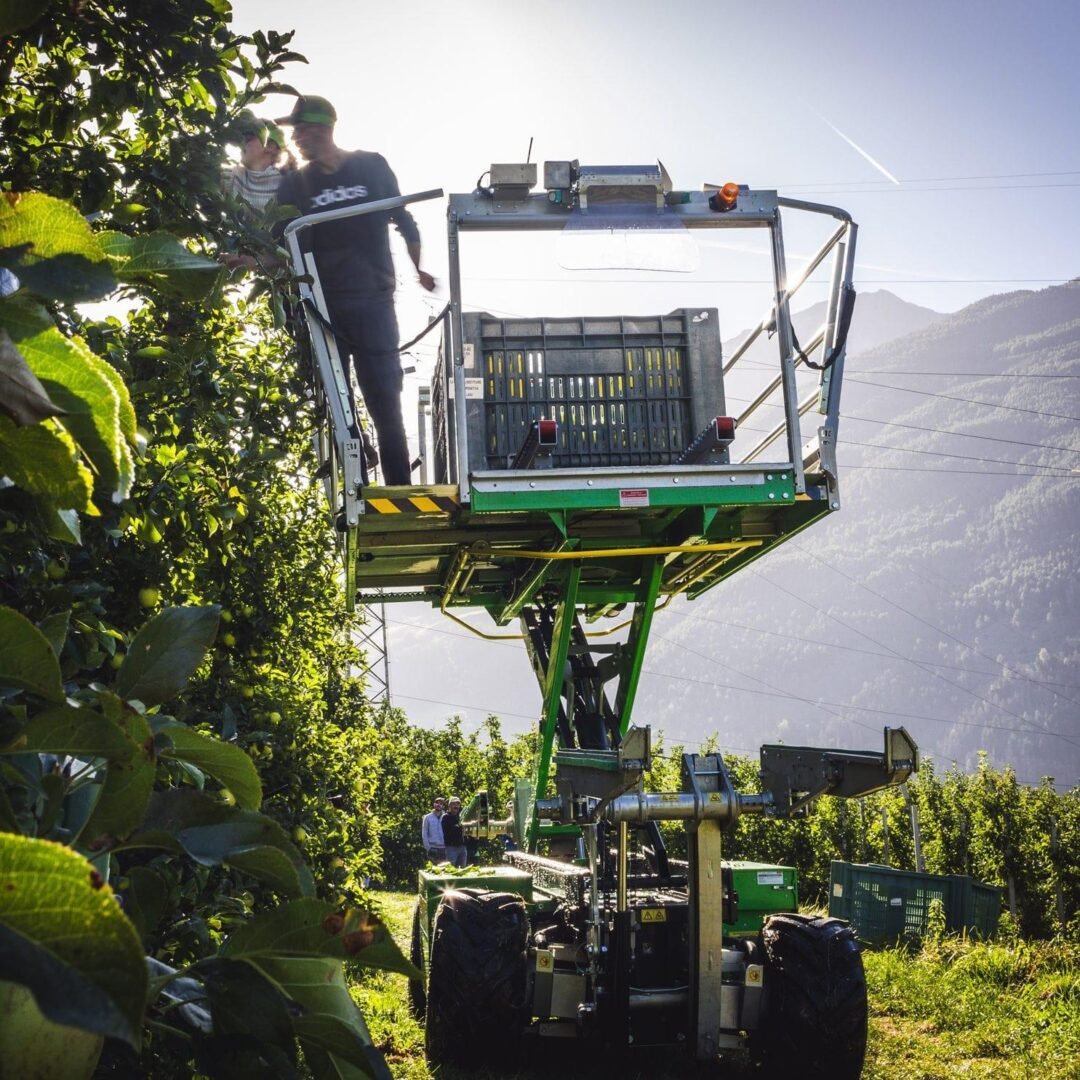
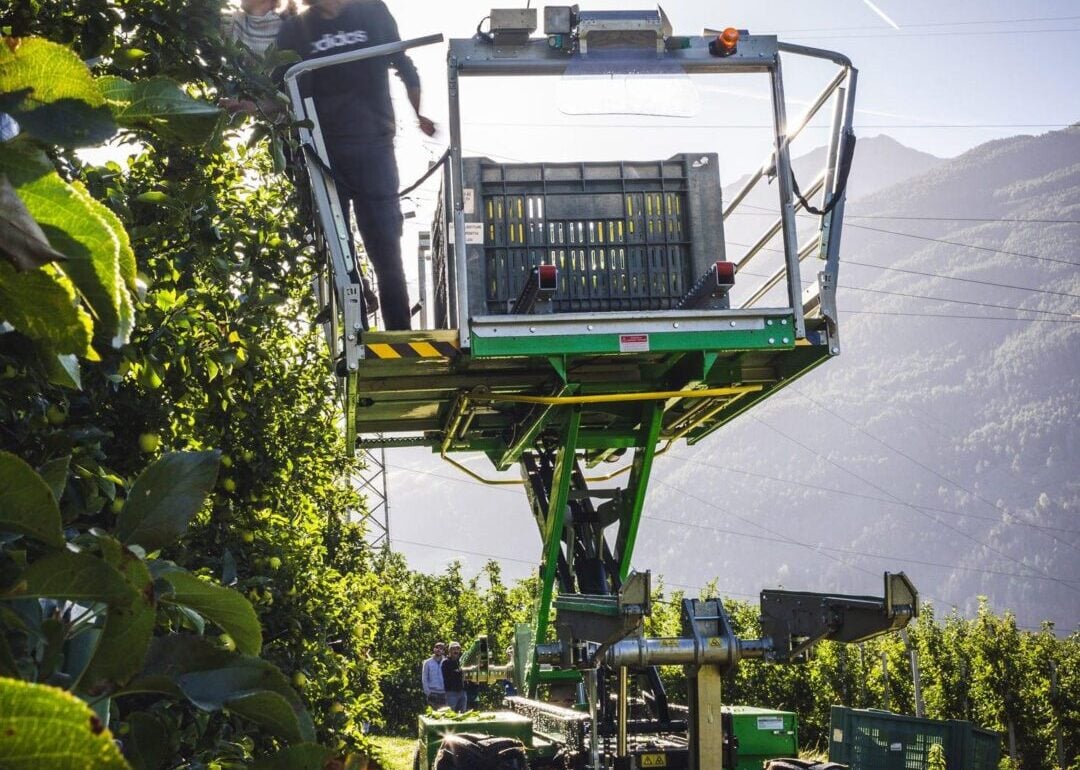
2. LiFePO4 Batteries for Orchard Picking Machines and Aerial Work Platforms
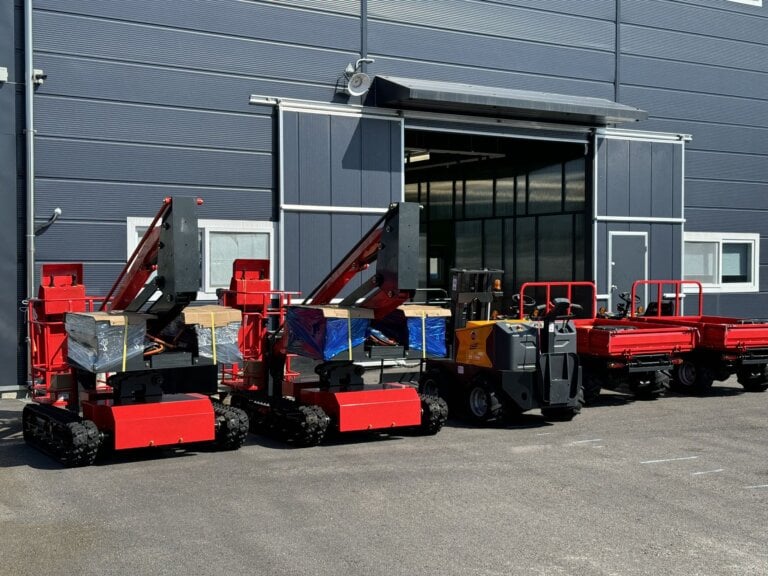
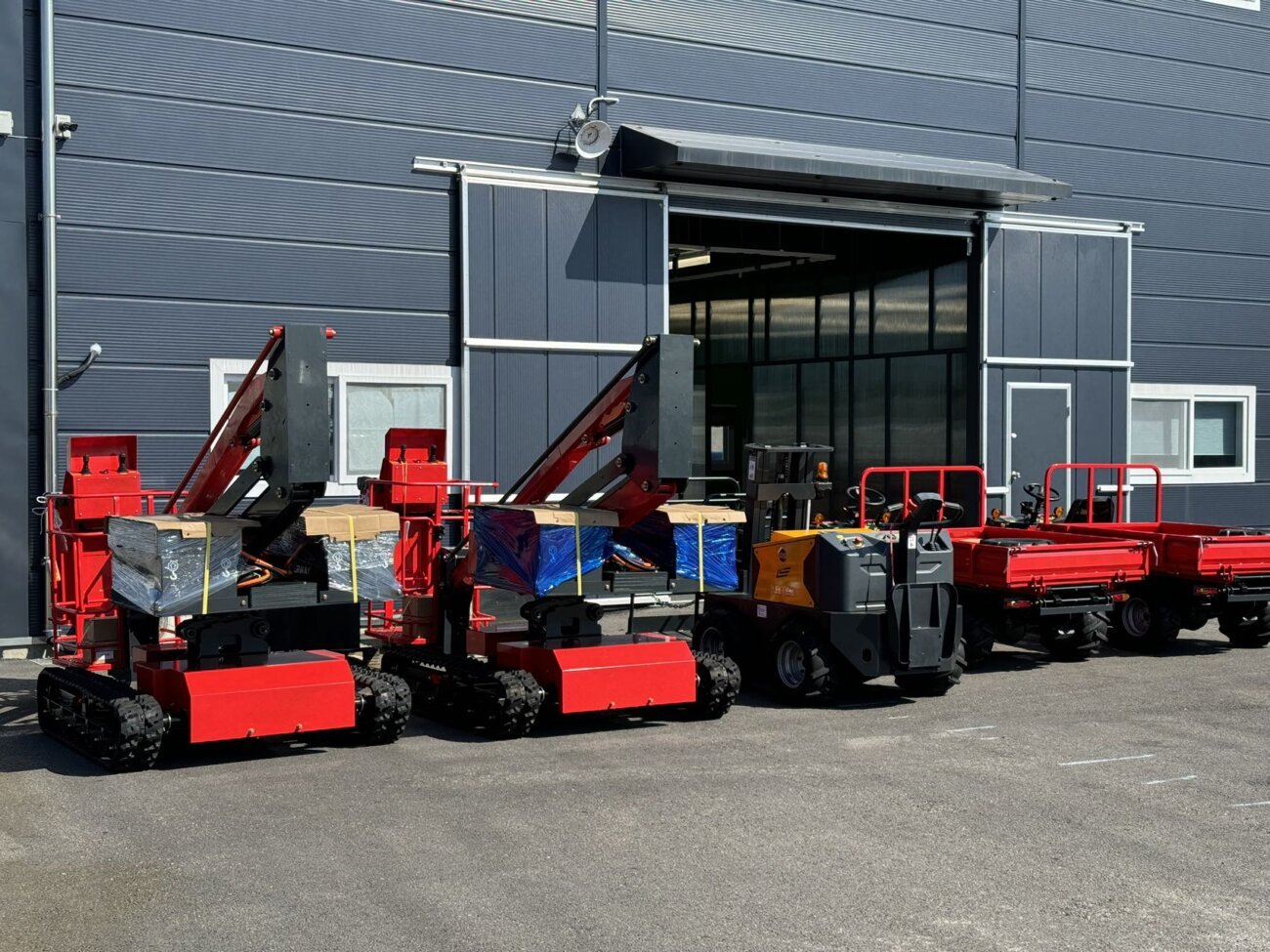
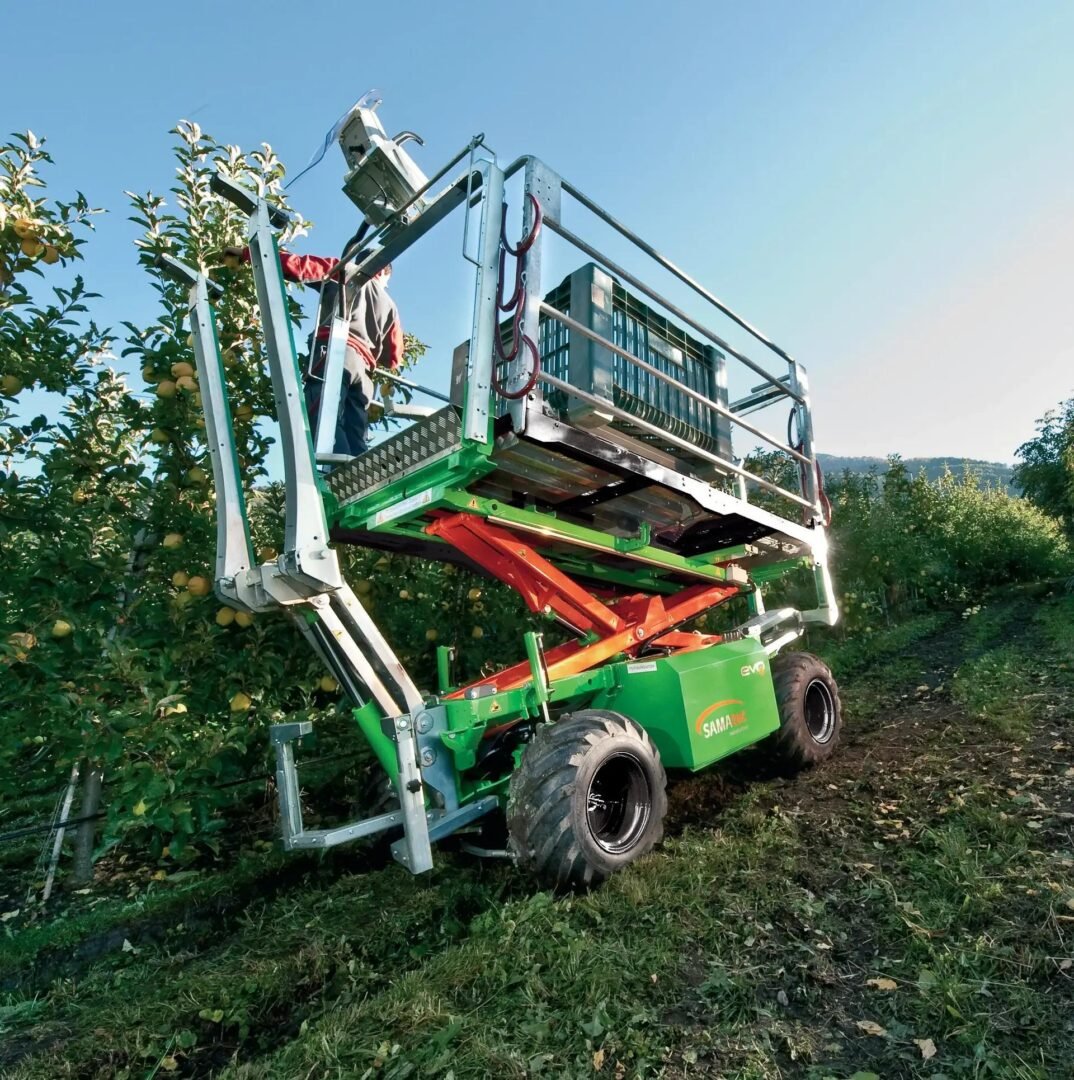
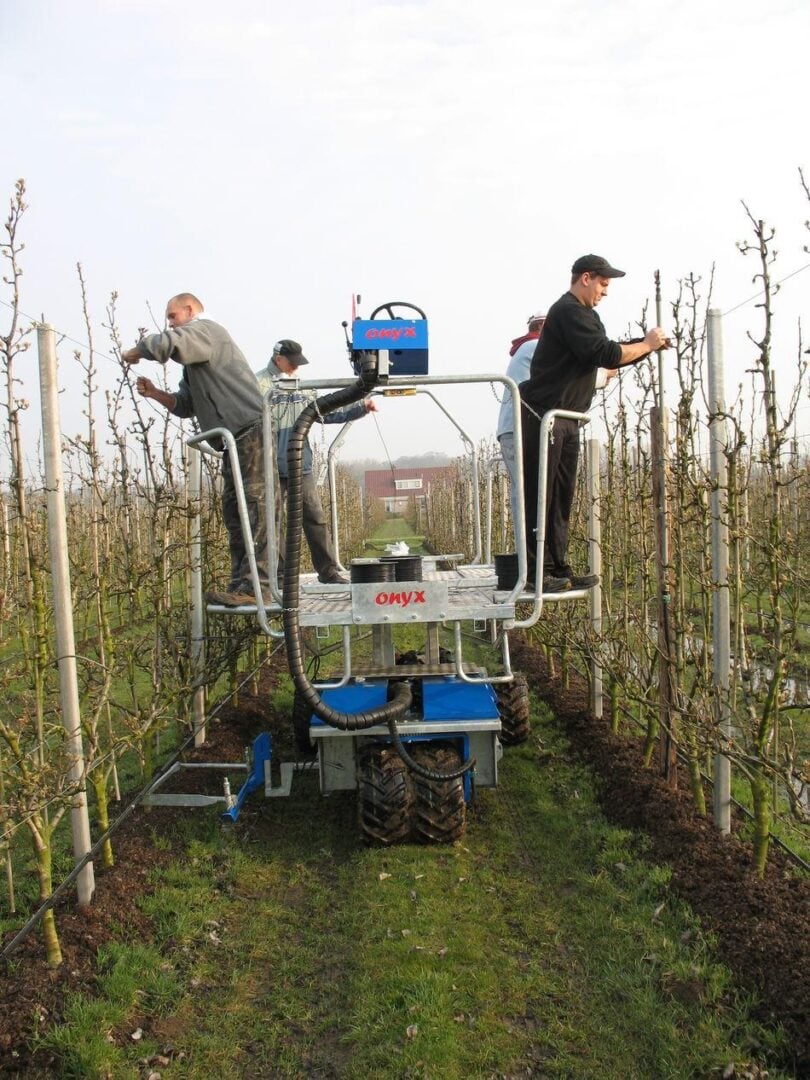
Modern fruit production increasingly uses orchard picking platforms and compact aerial work platforms to improve harvesting efficiency. These machines allow workers to reach different levels of fruit trees while carrying harvesting containers, tools, and other equipment.
Electric orchard platforms require batteries capable of powering several systems simultaneously, including:
- Drive motors
- Hydraulic pumps
- Lifting mechanisms
- Steering systems
- Electronic controllers
- Safety systems
- Auxiliary electrical equipment
LiFePO4 batteries are particularly well suited to this type of equipment because they can provide high usable energy while maintaining relatively stable voltage during operation. Compared with lead-acid batteries, lithium battery systems can also reduce charging downtime during intensive harvesting periods.
For equipment manufacturers developing electric orchard machinery, SPIDERWAY can provide customized battery packs based on required voltage, capacity, physical dimensions, peak discharge current, communication requirements, and environmental conditions.
3. LiFePO4 Batteries for Automated Cattle Feeding Machines
Livestock farming is another important area of agricultural automation. Large dairy and cattle farms increasingly use automated equipment for feed distribution and material transportation. Electric automatic cattle feeding machines may travel repeatedly between feed preparation areas and livestock barns throughout the day.
Their batteries therefore need to support frequent cycling, predictable runtime, and reliable operation.
LiFePO4 batteries can provide several advantages for automated feeding systems:
- Long operating life: Frequent daily charging and discharging favors battery chemistries with strong cycle-life characteristics.
- Low maintenance: Farm operators do not need to regularly refill battery water or perform traditional lead-acid battery maintenance.
- Opportunity charging: Equipment can recharge during periods when feeding operations are temporarily stopped.
- Stable power output: Electric drive motors and feeding mechanisms receive consistent power throughout much of the battery discharge cycle.
- Intelligent monitoring: The BMS can provide SOC, voltage, current, temperature, fault, and other battery information to the machine controller.
For automated or autonomous feeding equipment, battery communication can be particularly important. SPIDERWAY can develop customized BMS communication solutions according to the equipment manufacturer’s control architecture, including CAN-based communication where required.
4. LiFePO4 Batteries for Compact Agricultural Forklifts
Not every agricultural operation requires a full-size industrial forklift. Compact electric forklifts and other small material-handling vehicles are increasingly useful inside:
- Greenhouses
- Orchards
- Agricultural warehouses
- Food processing facilities
- Livestock farms
- Seed warehouses
- Cold-storage facilities
- Packing centers
Their smaller dimensions allow them to operate in narrow spaces where conventional forklifts may be impractical. LiFePO4 batteries can help equipment designers create compact machines without sacrificing operating time. Higher usable energy, fast charging capability, and reduced maintenance requirements can make lithium-powered compact forklifts particularly suitable for agricultural businesses where one machine may perform several different tasks throughout the day.
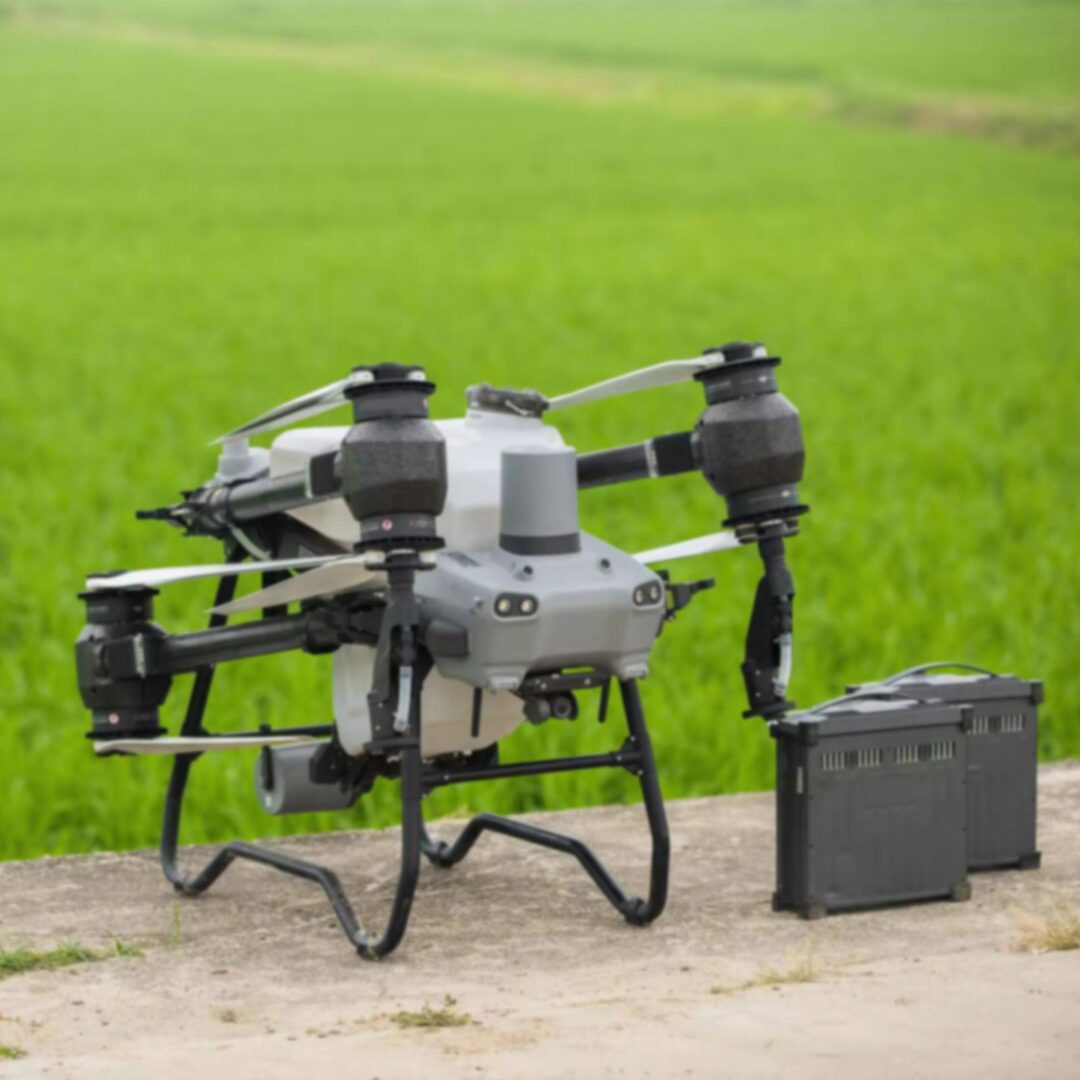
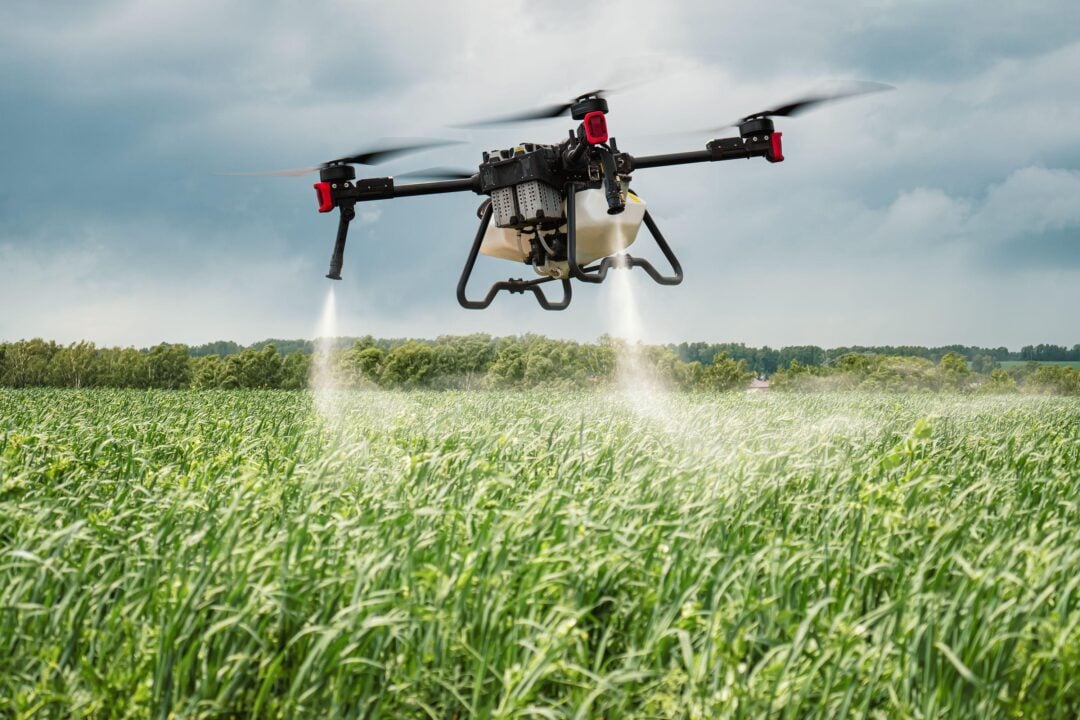
5. LiFePO4 Batteries for Agricultural Spraying Drones
Agricultural drones represent one of the fastest-developing areas of precision agriculture. Spraying drones can be used for:
- Crop protection
- Fertilizer application
- Pesticide spraying
- Herbicide application
- Seed spreading
- Field monitoring
Unlike many ground-based agricultural machines, drones place extremely demanding requirements on battery power density and discharge capability. During takeoff and flight, multiple electric motors can require substantial instantaneous power. Battery weight is also critical because every additional kilogram directly affects payload and flight endurance.
Agricultural drone battery engineering therefore requires careful consideration of:
- Energy density
- Discharge rate
- Battery weight
- Peak current
- Charging speed
- Cell temperature
- Cycle life
- Battery management
- Mechanical structure
Battery chemistry and pack architecture should consequently be selected according to the specific aircraft design rather than assuming one chemistry is optimal for every drone. For specialized agricultural UAV projects where LiFePO4 chemistry meets the required energy-to-weight and discharge specifications, SPIDERWAY can provide customized battery development and OEM/ODM support.
From Farms to Smart Farms: Batteries Are Becoming Part of the Agricultural Energy System
The significance of lithium batteries in agriculture extends beyond replacing lead-acid batteries. Modern farms are gradually becoming integrated energy and automation systems.
Consider a future smart agricultural operation containing:
Solar PV → Energy Storage → Charging Infrastructure → Electric Agricultural Machinery → Autonomous Equipment
Solar panels installed on farm buildings can generate electricity during the day. Stationary energy storage systems can store excess electricity. Electric forklifts, picking platforms, feeding machines, agricultural robots, and other equipment can then consume that electricity.
Instead of purchasing diesel fuel and transporting it to machinery, farms can increasingly produce, store, and consume electricity locally. This creates an important long-term role for battery technology. The battery is no longer simply a replaceable component inside a machine. It becomes part of the farm’s broader energy, transportation, automation, and data infrastructure.
Lead-Acid vs. LiFePO4 Batteries for Agricultural Equipment
| Factor | Lead-Acid Battery | LiFePO4 Battery |
|---|---|---|
| Cycle Life | Moderate | Long |
| Charging Speed | Generally slower | Supports fast charging |
| Opportunity Charging | Limited | Excellent potential |
| Routine Maintenance | Watering and inspection often required | Minimal |
| Usable Energy | More limited at high depth of discharge | Higher usable capacity |
| Voltage Stability | Gradually decreases during discharge | Relatively stable |
| Battery Monitoring | Usually limited | Intelligent BMS available |
| Energy Efficiency | Lower | Higher |
| Acid Handling | Required | No |
| Smart Equipment Integration | Limited | CAN/BMS integration available |
Although the initial purchase price of a LiFePO4 battery may be higher than that of a conventional lead-acid battery, purchase price alone does not represent the complete economics of agricultural equipment. Farm operators should evaluate Total Cost of Ownership (TCO). This includes battery replacement frequency, electricity consumption, maintenance labor, equipment downtime, charging infrastructure, productivity, and expected service life. For equipment that operates frequently, the long-term economics of lithium batteries can be significantly more attractive.
SPIDERWAY LiFePO4 Batteries for Agricultural Equipment
SPIDERWAY specializes in the development and manufacturing of industrial lithium battery systems for electric machinery. Our experience in material-handling equipment, industrial vehicles, aerial work platforms, automated equipment, and specialized electric machinery provides a strong technical foundation for agricultural electrification projects.
SPIDERWAY LiFePO4 power battery solutions can be developed for applications including:
- Agricultural electric forklifts
- Compact farm forklifts
- Orchard picking machines
- Orchard aerial work platforms
- Automated cattle feeding machines
- Agricultural transport vehicles
- Autonomous agricultural equipment
- Agricultural robots
- Specialized agricultural machinery
- Agricultural UAV and drone projects
Rather than supplying only standardized battery products, SPIDERWAY works with equipment manufacturers, agricultural machinery distributors, fleet operators, and engineering companies to develop battery systems according to specific machine requirements.
Customized OEM & ODM Agricultural Battery Solutions
Agricultural equipment varies significantly in structure and operating conditions. A battery suitable for an orchard platform may not be appropriate for an autonomous feeding vehicle or compact forklift. For this reason, SPIDERWAY provides OEM and ODM LiFePO4 battery services.
Voltage and Capacity
Battery voltage and energy capacity can be configured according to motor voltage, controller architecture, operating duration, available battery compartment space, and charging strategy. Common industrial system architectures can include 24V, 36V, 48V, 72V, 80V and other customized configurations.
Battery Dimensions and Enclosure
Battery packs can be engineered around the available installation space of the machine. Mechanical customization can include enclosure dimensions, mounting points, lifting structures, handles, connectors, cable routing, and protection requirements.
BMS Configuration
The Battery Management System can be configured according to required current, voltage, temperature protection, SOC calculation, charging logic, and equipment communication requirements.
Communication Protocols
Modern agricultural machinery increasingly requires communication between the battery, charger, vehicle controller, display, and central machine control system. SPIDERWAY can support customized communication integration according to project requirements.
Chargers
A battery system should be engineered together with its charging solution. SPIDERWAY can match charging equipment according to battery voltage, capacity, desired charging time, available AC power, and operating environment.
Low-Temperature Solutions
Agricultural equipment may operate outdoors during winter or in cold-storage environments. For suitable projects, battery thermal management and self-heating solutions can be considered to improve low-temperature charging and operating performance.
Why Agricultural Equipment Manufacturers Choose SPIDERWAY
Developing a reliable lithium battery system requires more than assembling cells into an enclosure. The battery must operate as part of the complete machine. SPIDERWAY approaches industrial battery projects from a system-integration perspective, considering:
Cells + BMS + Charger + Communication + Mechanical Structure + Electrical Interface + Application Requirements
This engineering approach is particularly important for OEM and ODM agricultural machinery projects.
Industrial Battery Manufacturing Experience
SPIDERWAY focuses on lithium power systems for industrial equipment and electric machinery rather than consumer electronics. This experience provides a strong foundation for agricultural applications requiring high reliability, frequent cycling, and integration with industrial controllers.
High-Quality LiFePO4 Cells
Battery performance begins with cell quality. SPIDERWAY can build industrial battery systems using high-quality LiFePO4 cells from established cell manufacturers according to project requirements. Cell consistency, capacity matching, thermal behavior, and quality control are important factors in long-term battery reliability.
Complete Battery System Integration
SPIDERWAY can provide more than the battery pack itself. Depending on the project, a complete solution can include:
- LiFePO4 battery pack
- Intelligent BMS
- Charger
- Electrical connectors
- Communication interface
- Display or SOC integration
- Customized enclosure
- Wiring and connection solutions
- Technical integration support
This can simplify the development process for agricultural machinery manufacturers transitioning from internal combustion engines or lead-acid batteries to lithium power.
OEM/ODM Engineering Support
For agricultural equipment manufacturers developing a new machine, SPIDERWAY engineers can participate in battery specification development based on equipment requirements. Typical project information includes:
- Nominal system voltage
- Required battery capacity
- Continuous operating current
- Peak current
- Required operating hours
- Battery compartment dimensions
- Equipment communication protocol
- Charger requirements
- Operating temperature
- Environmental protection requirements
Based on this information, an appropriate battery architecture can be developed.
The Future of LiFePO4 Batteries in Smart Agriculture
Agriculture is moving toward greater electrification and autonomy. Electric vehicles, autonomous robots, intelligent feeding systems, precision spraying equipment, orchard machinery, and automated logistics systems will require increasingly sophisticated energy solutions.
LiFePO4 batteries are positioned to play an important role in this transition because they combine long service life, safety-oriented chemistry, efficient charging, intelligent battery management, and compatibility with electric powertrains.
At the same time, future agricultural batteries will become increasingly intelligent. Battery systems will not simply provide electricity. They will communicate. A smart agricultural machine may continuously exchange information between the battery, motor controller, charger, telematics system, fleet management platform, and autonomous control system.
Battery data such as SOC, temperature, current, charging status, fault codes, and historical usage can help operators improve equipment utilization and predictive maintenance. This transition represents a broader transformation:
Agricultural batteries are evolving from passive energy-storage components into intelligent power systems.
Building the Next Generation of Electric Agricultural Machinery with SPIDERWAY
The electrification of agriculture is creating new opportunities for equipment manufacturers, distributors, fleet operators, and technology companies. Whether the application involves an agricultural forklift, orchard picking platform, automated cattle feeding machine, compact forklift, agricultural robot, or specialized spraying drone, the battery must be designed around the actual operating requirements of the machine.
SPIDERWAY provides LiFePO4 batteries for modern agricultural equipment, combining industrial battery manufacturing experience with customized OEM and ODM engineering capabilities. From battery cells and BMS configuration to chargers, communication protocols, mechanical structures, and complete system integration, SPIDERWAY can work with agricultural equipment manufacturers to develop reliable lithium power solutions for the next generation of smart farming machinery.
Frequently Asked Questions About LiFePO4 Batteries in Agriculture
Are LiFePO4 batteries suitable for agricultural machinery?
Yes. LiFePO4 batteries can be suitable for many types of electric agricultural machinery because of their long cycle life, high efficiency, relatively stable discharge voltage, low maintenance requirements, and strong thermal stability. The battery should always be engineered according to the machine’s voltage, current, operating environment, and charging requirements.
Can LiFePO4 batteries replace lead-acid batteries in agricultural forklifts?
In many applications, yes. However, conversion should consider battery voltage, capacity, counterweight requirements, battery compartment dimensions, connectors, charger compatibility, discharge current, and communication with the forklift controller.
What agricultural equipment can use LiFePO4 batteries?
Potential applications include agricultural forklifts, compact forklifts, orchard picking platforms, automated feeding machines, agricultural transport vehicles, autonomous farm robots, specialized agricultural machinery, and certain agricultural UAV applications.
Can SPIDERWAY customize batteries for agricultural equipment manufacturers?
Yes. SPIDERWAY provides OEM and ODM battery development services covering voltage, capacity, dimensions, enclosure design, BMS configuration, communication, connectors, chargers, and other application-specific requirements.
What information is required for a customized agricultural battery?
Providing the equipment voltage, desired capacity, continuous and peak current, operating hours, battery compartment dimensions, communication protocol, charging requirements, and operating temperature will help engineers determine an appropriate battery configuration.
Why use LiFePO4 instead of lead-acid batteries on a farm?
For frequently used equipment, LiFePO4 batteries can offer longer cycle life, faster charging, higher energy efficiency, lower routine maintenance, and better integration with intelligent machinery. These characteristics can reduce downtime and improve total cost of ownership over the battery’s operating life.
Supplier & Author Profile

Latest entries
- 2026-09-06Manufacturing & International Trade Terminology Guide: A Comprehensive Glossary for Global B2B Trade
- 2026-08-11LiFePO4 Batteries in Modern Agriculture: Powering the Next Generation of Smart Farming Equipment
- 2026-08-09One Lithium Battery vs Two Lead-Acid Batteries per Forklift: A Fleet-Level Comparison
- 2026-08-09Grow Your Business: Become a Certified SpiderWay Golf Cart Lithium Distributor