One Lithium Battery vs Two Lead-Acid Batteries per Forklift: A Fleet-Level Comparison
Understanding the Two-Battery Lead-Acid Model
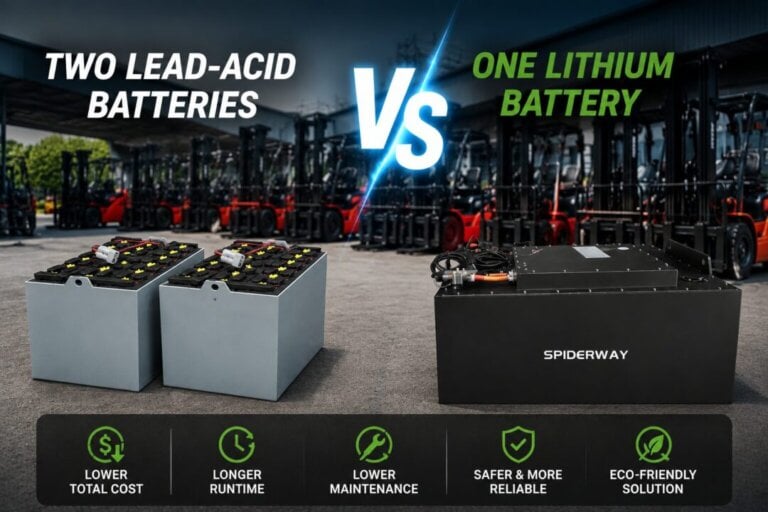
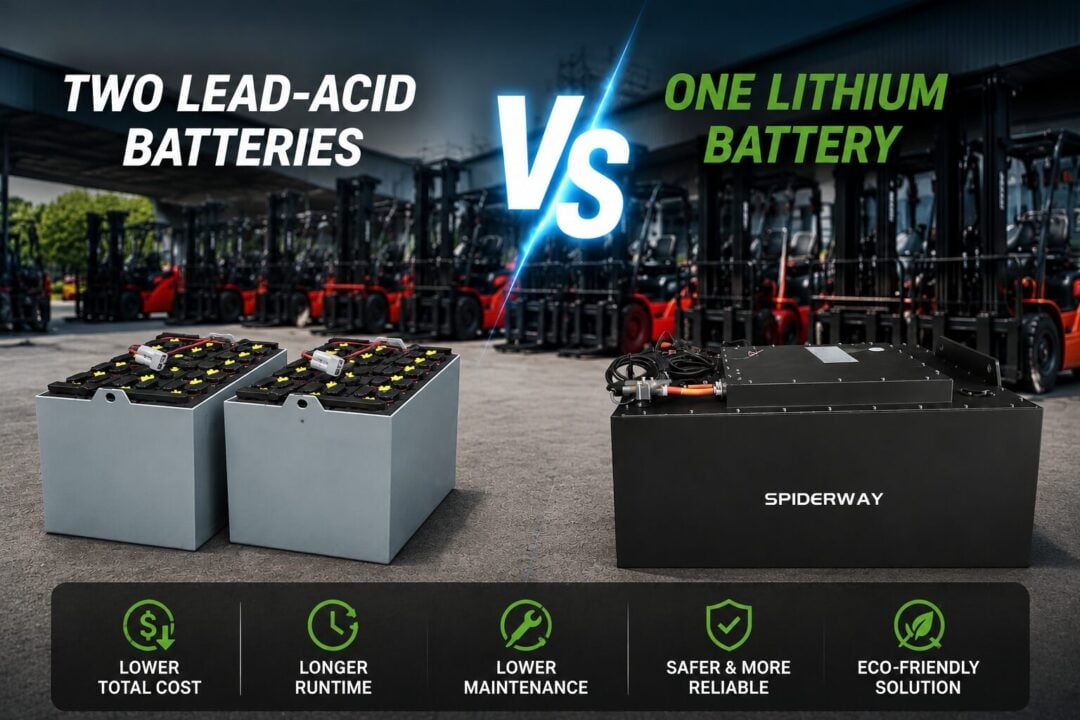
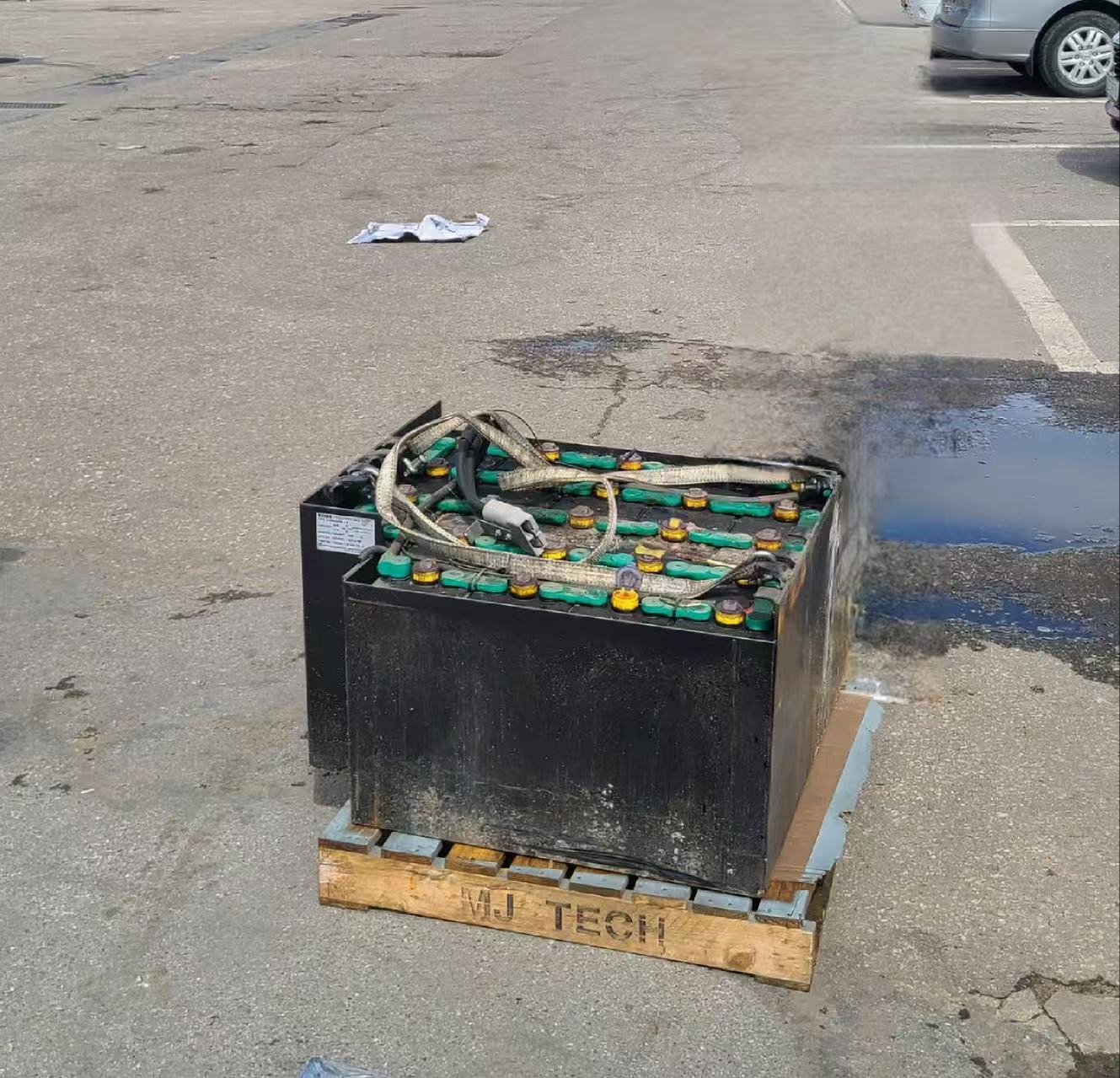
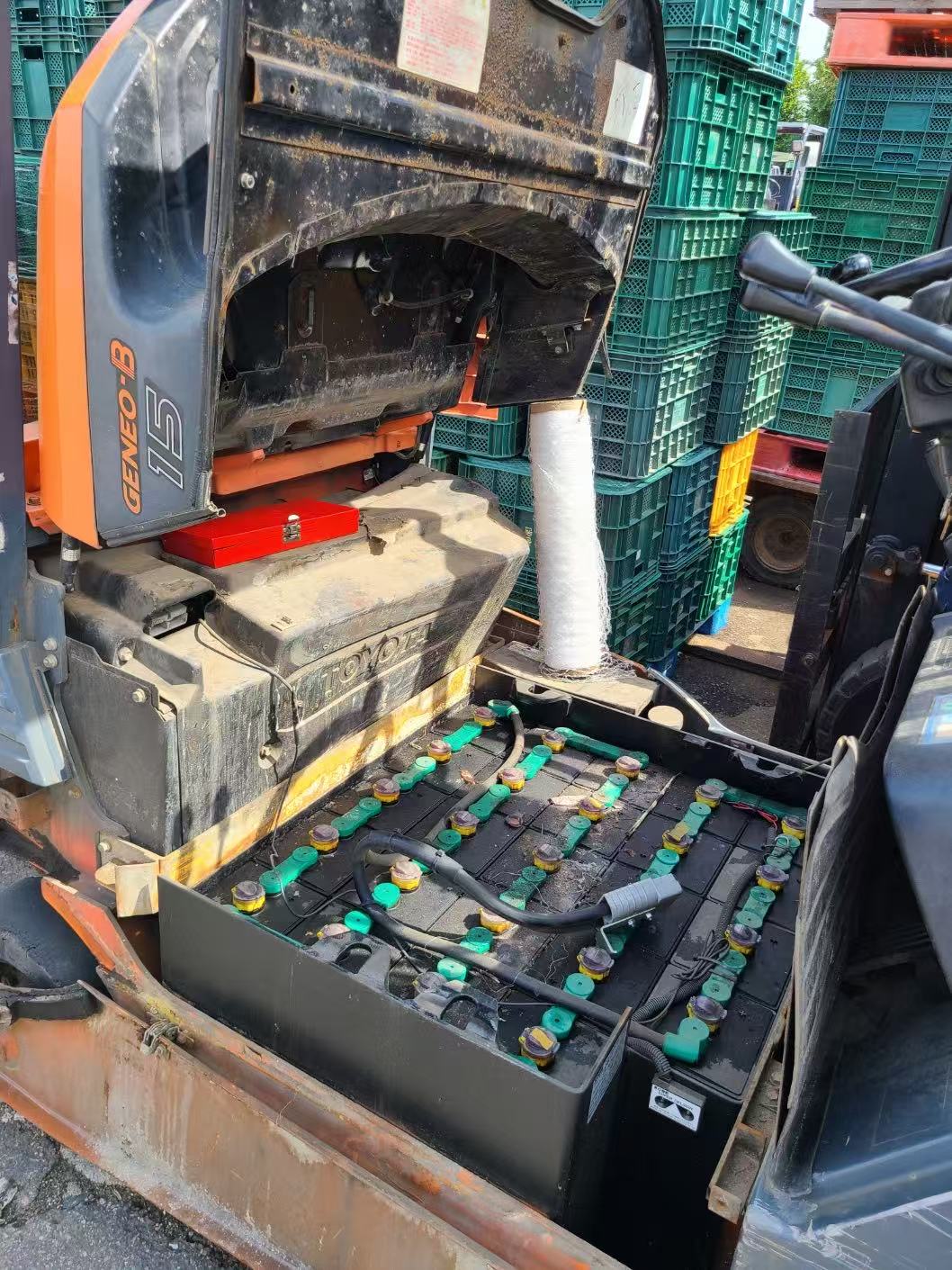
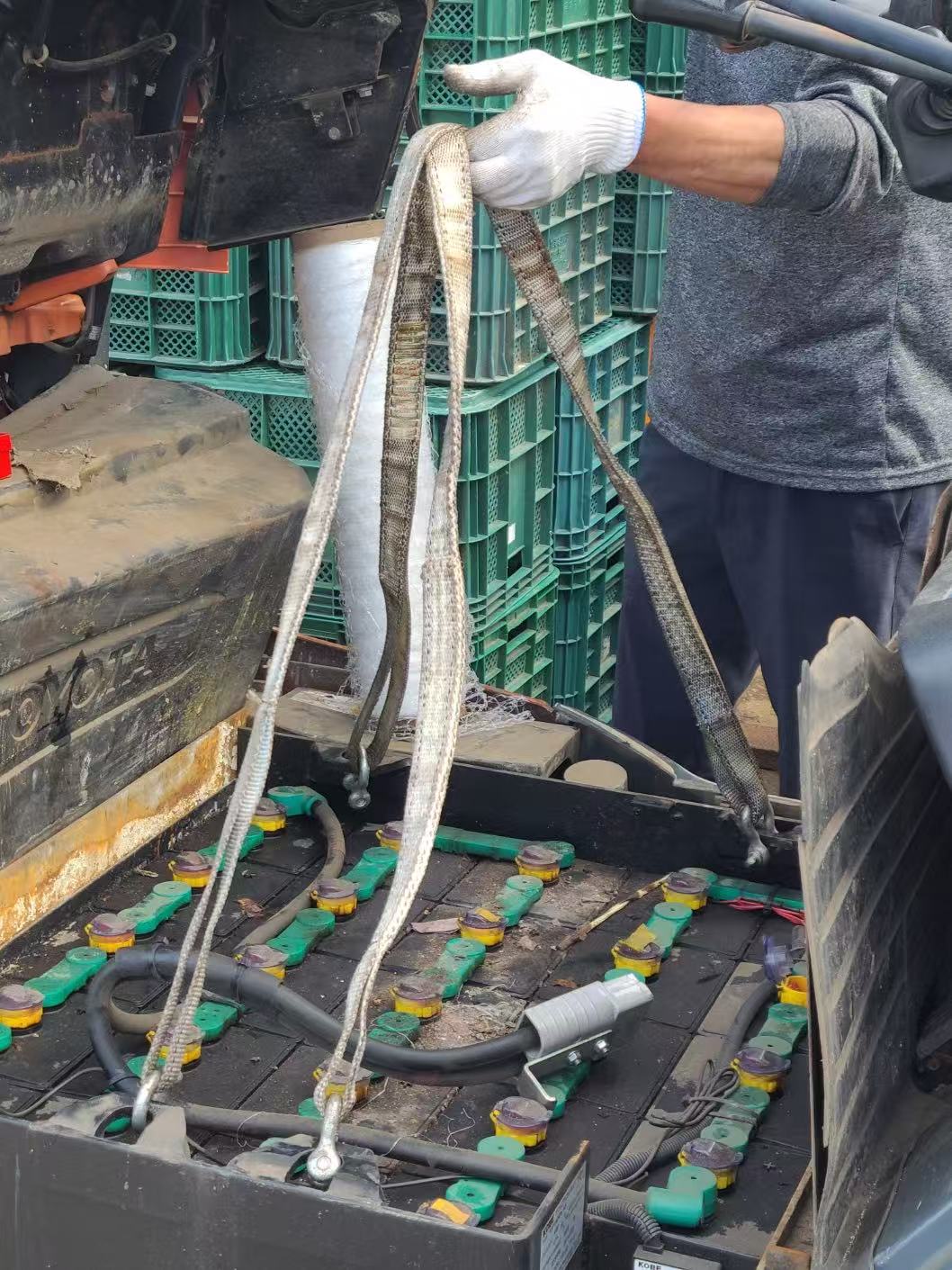
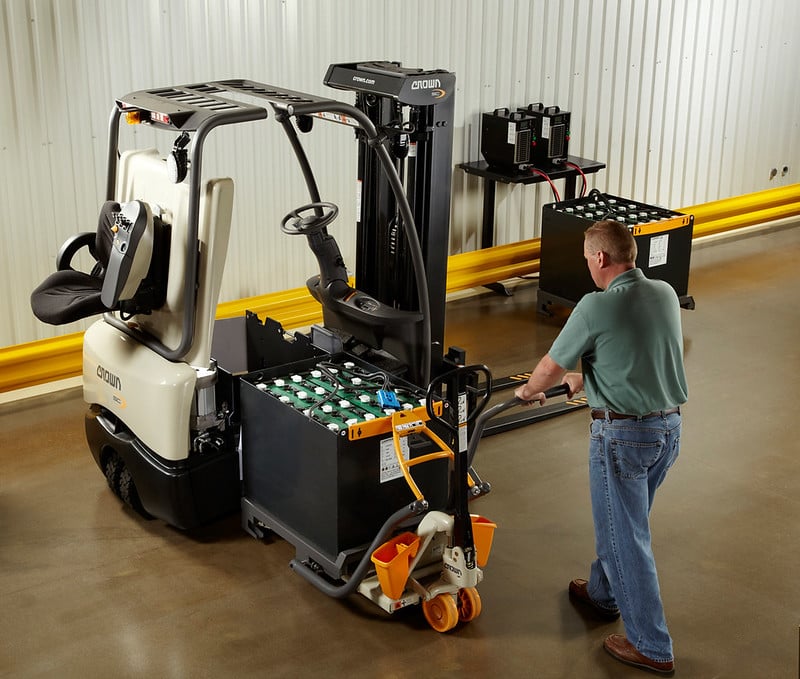
In many multi-shift operations, the second lead-acid battery exists because one battery is operating while the other is charging, cooling, or waiting for the next shift. This is a matter of operating schedule, not simply additional energy storage. A typical fleet configuration includes one battery in the forklift, one charging or cooling, dedicated chargers, a battery-changing area, handling equipment, and labor for maintenance and changes.
Fleet-Level Comparison at a Glance
| Decision factor | Two lead-acid batteries per forklift | One lithium battery per forklift |
|---|---|---|
| Battery population | Commonly two operating assets per truck in multi-shift conventional charging | Potentially one operating battery per truck |
| Battery changes | Normally required between operating cycles | Usually eliminated when opportunity charging is sufficient |
| Charging method | Often off-truck conventional charging | Usually in-truck opportunity charging |
| Recovery time | Charging and thermal recovery must be scheduled | Short charging sessions can be distributed across the working day |
| Battery-handling equipment | May require hoists, rollers or extraction systems | Normally unnecessary for routine charging |
| Routine maintenance | Watering, cleaning, equalization and electrolyte-related inspections | No watering, but electrical, cooling, connector and diagnostic inspections remain necessary |
| Charging location | Frequently centralized | Can be distributed near break areas, staging points or parking locations |
| Operating model | Battery rotation | Energy replenishment |
| Fleet resilience | Spare batteries provide built-in operational redundancy | Redundancy must be designed separately |
| Upfront battery cost | Usually lower per battery | Usually higher per battery |
| Total installed cost | Includes additional batteries and handling infrastructure | Includes lithium chargers, integration and possible electrical upgrades |
| Best fit | Light use, low capital budgets or sites with existing battery infrastructure | Multi-shift fleets with predictable charging windows and high battery-handling costs |
Why One Lithium Battery Can Remain in the Forklift
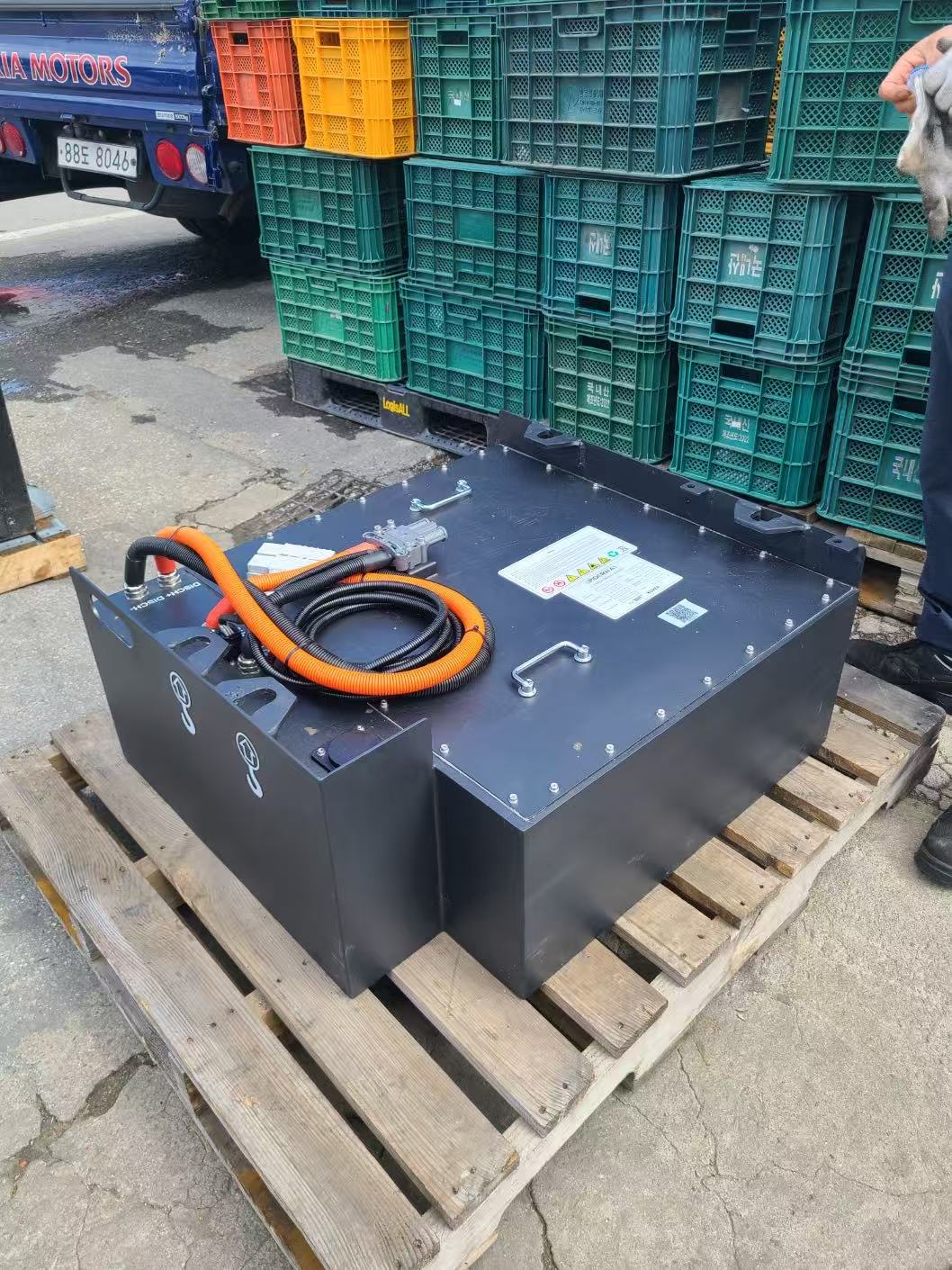
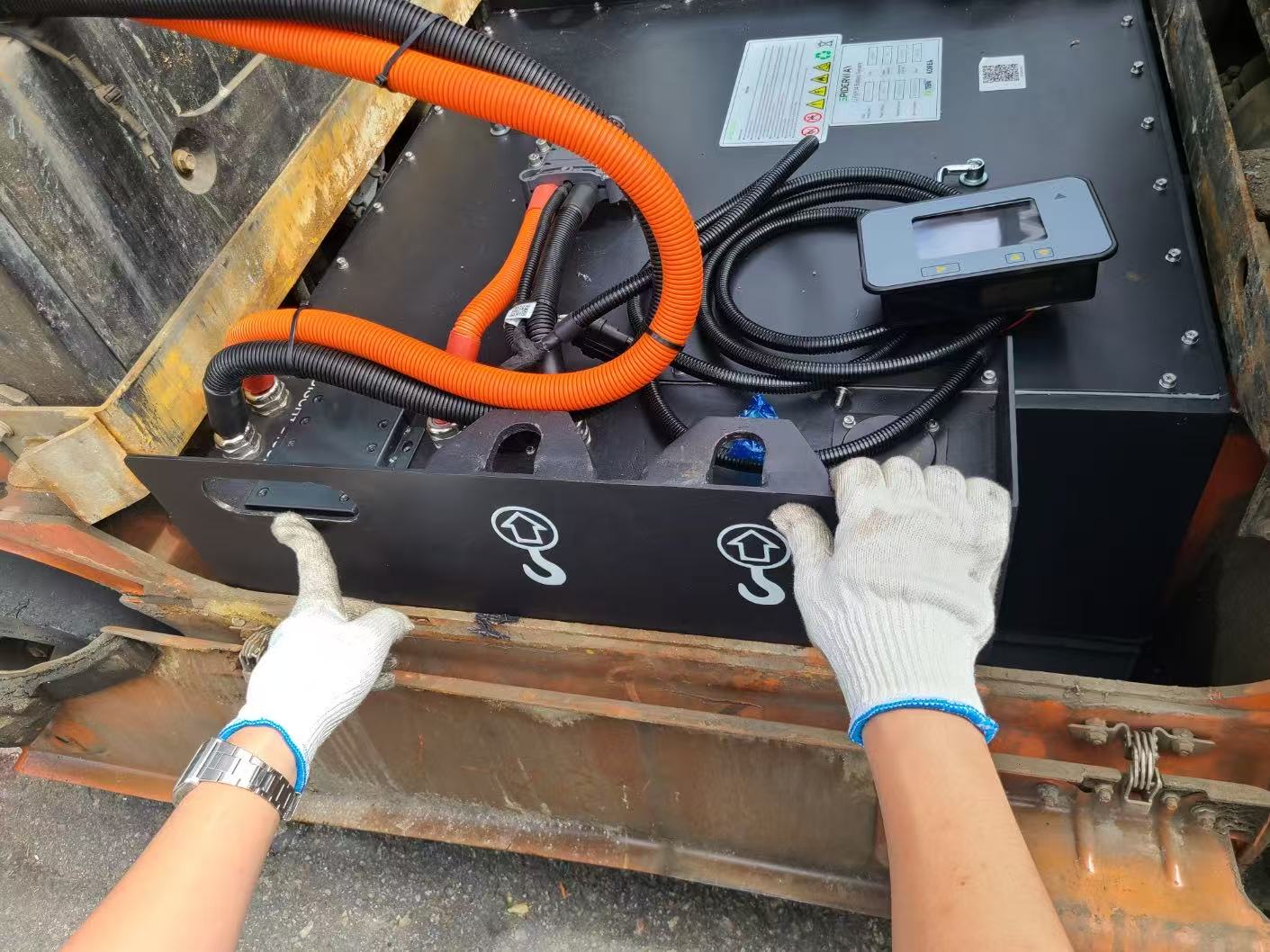
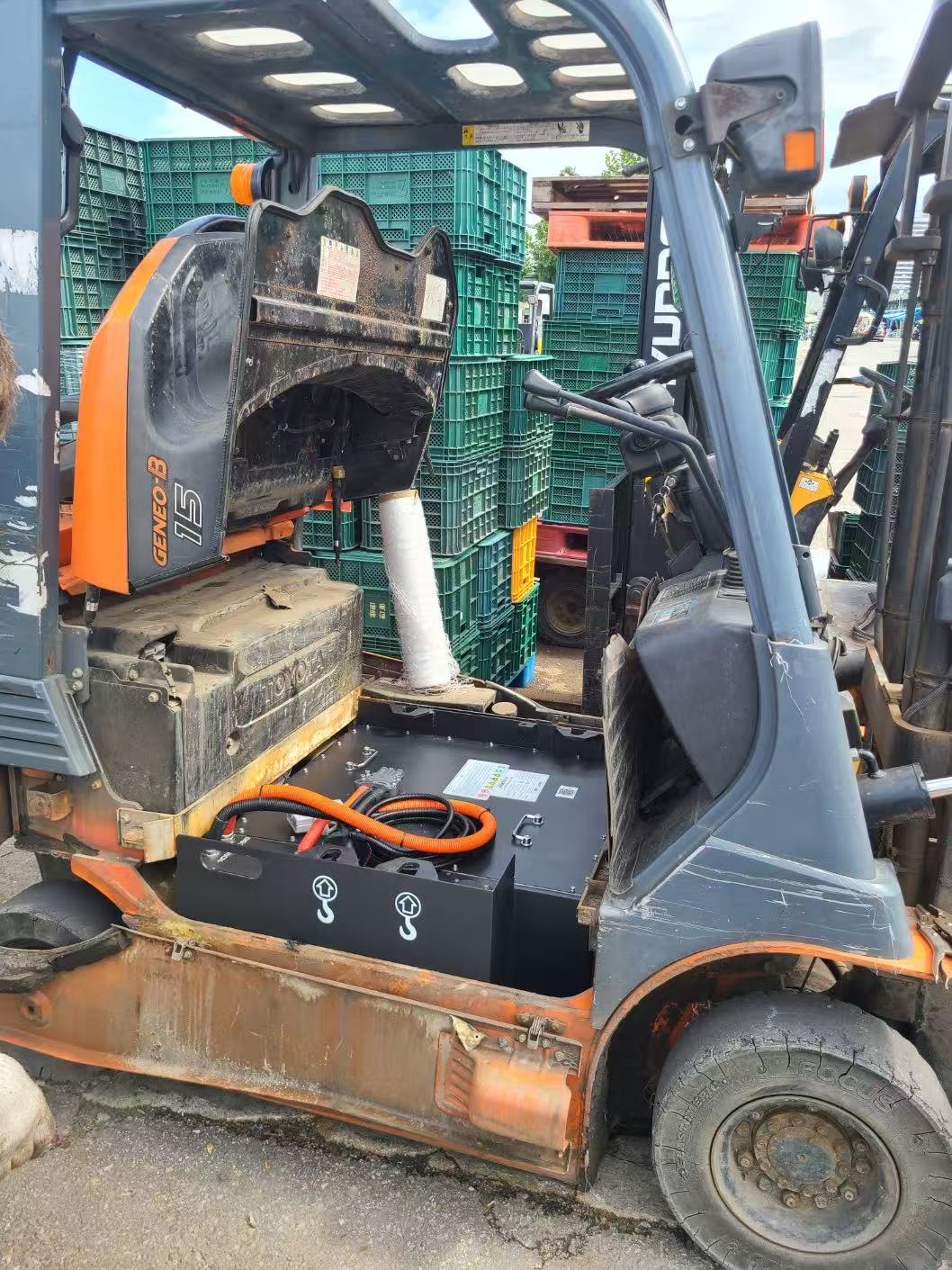
A lithium system changes how energy is restored. Instead of treating the battery as removable, operators connect the forklift to a charger during breaks, shift changes, loading delays, scheduled inspections, and other idle windows. Energy is added before deep discharge, allowing the battery to stay in service across multiple shifts, provided that the energy recovered equals the energy consumed.

The Energy-Balance Test
Battery selection should start with energy demand. Calculate the daily usable energy consumed, the energy available from the proposed battery, and the energy that can be recovered during realistic charging windows. Use this formula:
End-of-day usable energy = Starting usable energy + Energy recovered through opportunity charging – Energy consumed by the forklift
Ensure the end-of-day energy is above the required minimum reserve, considering unexpected workload, missed sessions, ageing, temperature, and charger downtime. Estimate recovered energy as: Average DC charging power (kW) × Actual connected time (hours) × Effective charging factor.
A Worked Fleet Example
For a hypothetical 20-truck fleet with two shifts, each consuming 36 kWh daily, and a lithium battery providing 21 kWh usable energy, with 1.5 hours of charging at 15 kW and 90% efficiency, recovered energy is 20.25 kWh. The balance is 5.25 kWh, suggesting feasibility. However, if charging time drops to 45 minutes, recovered energy falls to 10.125 kWh, resulting in a -4.875 kWh deficit, requiring additional charging, a larger battery, or schedule changes.
Peak Power and Other Engineering Checks
Batteries must also supply peak power for simultaneous travel and lifting, ramp climbing, and hydraulic operation. Verify that the BMS permits sufficient discharge current at relevant temperatures and states of charge. Also check mechanical fit, minimum battery weight, electrical load, vehicle communication (CAN), charger integration, thermal conditions, and fleet energy schedule.
Cost Comparison: Total Cost of Ownership
Compare five-year TCO including battery costs, chargers, infrastructure, electricity, maintenance, handling, downtime, replacements, and residual value. Use consistent assumptions across both systems. For lead-acid, include rotation batteries, watering, and battery-changing labor. For lithium, include chargers, electrical upgrades, and diagnostics, but do not assume zero replacements.
Operational Benefits and Redundancy
Eliminating battery changes can improve truck availability and reduce safety exposure, but measure these gains objectively. A one-battery-per-truck lithium fleet needs designed redundancy: spares, charger resilience, and emergency procedures. Consider a pilot program before full conversion, baselining current operations, selecting representative trucks, and monitoring performance under abnormal conditions.
Frequently Asked Questions
Can one lithium battery always replace two lead-acid batteries?
No, only when the lithium battery’s usable energy plus recovered energy covers daily demand with reserve, and all engineering checks pass.
Does a two-shift forklift always need two lead-acid batteries?
No, it depends on utilization, charging method, and recovery time.
Can lead-acid batteries use opportunity charging?
Some are designed for it. Compare against the actual lead-acid technology in use.
How many chargers are needed for a lithium fleet?
Determine by simulating simultaneous charging demand, not just one per truck.
Does lithium eliminate all maintenance?
No, it eliminates watering and equalization, but still requires inspections of cables, connectors, cooling, and BMS data.
Should a lithium fleet keep spare batteries?
Yes, plan for redundancy to handle faults.
How to compare capacities?
Use measured usable energy in kWh and peak power, not just ampere-hours.
Is lithium always cheaper over five years?
No, for low utilization it may not recover the higher initial investment.
Final Decision: Compare Operating Systems, Not Just Batteries
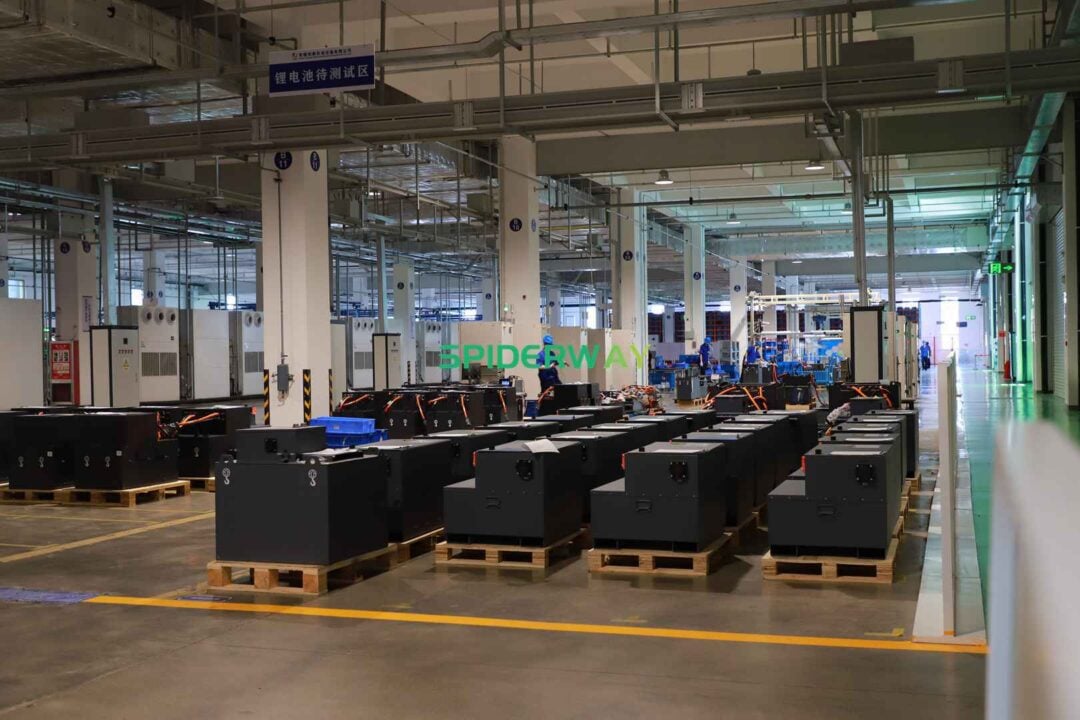
The correct comparison is between the complete lead-acid operating system (rotation batteries, handling, maintenance) and the complete lithium system (opportunity charging, integration, diagnostics). For high-utilization fleets, one lithium battery per truck can reduce inventory and labor. For low utilization, lead-acid may remain rational. Base the decision on measured fleet data, verifying energy balance, peak power, infrastructure, and service support.
Supplier & Author Profile

Latest entries
- 2026-09-06Manufacturing & International Trade Terminology Guide: A Comprehensive Glossary for Global B2B Trade
- 2026-08-11LiFePO4 Batteries in Modern Agriculture: Powering the Next Generation of Smart Farming Equipment
- 2026-08-09One Lithium Battery vs Two Lead-Acid Batteries per Forklift: A Fleet-Level Comparison
- 2026-08-09Grow Your Business: Become a Certified SpiderWay Golf Cart Lithium Distributor