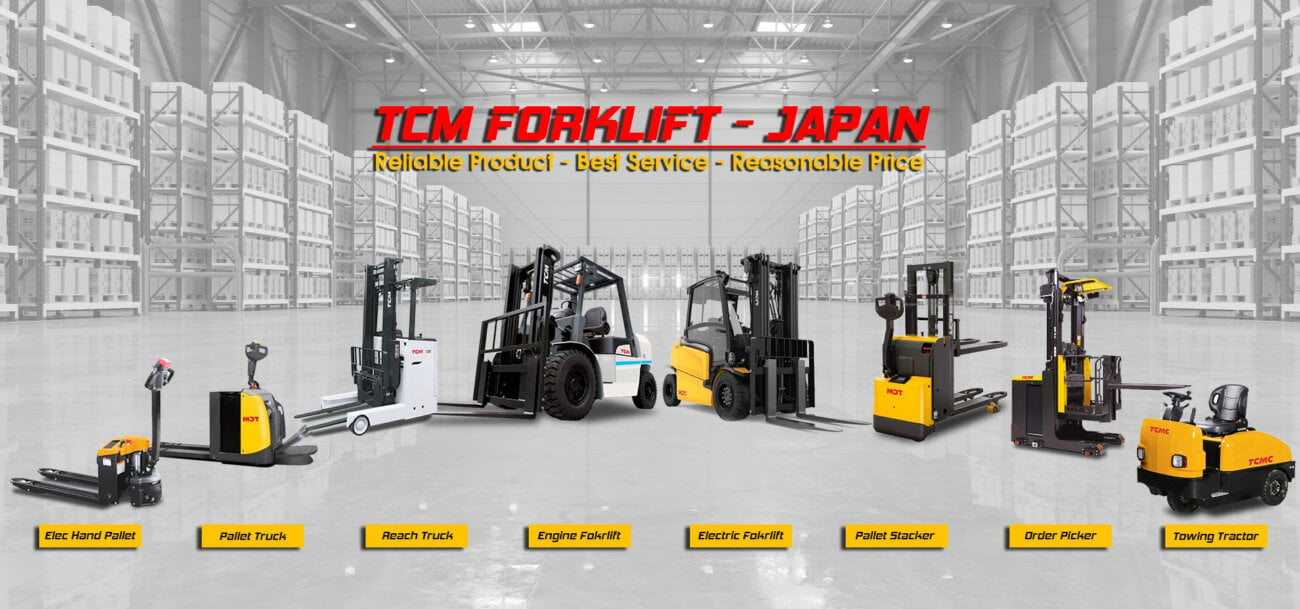
A Comprehensive Guide to Electric Forklift Types and Their Applications
Introduction
Electric forklifts have evolved far beyond a single category of material handling equipment. With the increasing specialization of warehouses, factories, distribution centers, cold-storage facilities, ports, and outdoor logistics operations, manufacturers have developed various electric configurations to suit different operating environments.
From a battery engineering perspective, selecting an electric forklift goes beyond simply choosing between electric and internal-combustion power. Factors such as forklift type, load capacity, mast configuration, operating environment, duty cycle, charging strategy, and battery architecture must all be evaluated together.
For fleet operators, understanding these differences is crucial when selecting the appropriate forklift and its power system. A battery designed for a light-duty warehouse truck may not be suitable for a high-capacity forklift operating multiple shifts. This article explores the major types of electric forklifts, their typical applications, and the key differences that fleet managers should understand when evaluating electric forklift battery solutions.
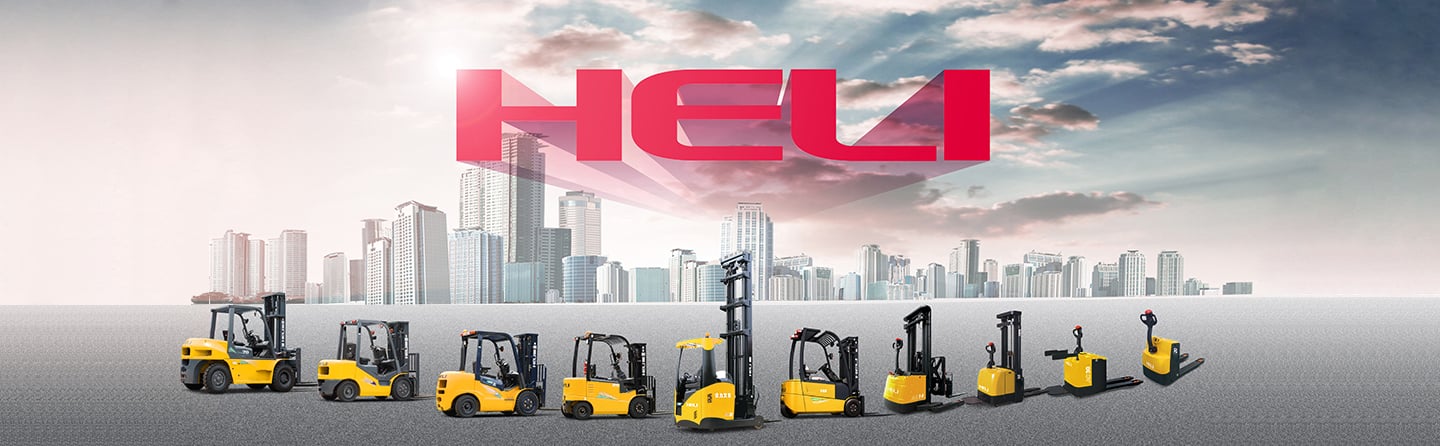
1. What Is an Electric Forklift?
An electric forklift is a material-handling vehicle powered primarily by rechargeable batteries rather than an internal-combustion engine.
Modern electric forklifts commonly use either:
- Lead-acid batteries
- Lithium-ion batteries
- LiFePO₄ (lithium iron phosphate) batteries
Among these technologies, LiFePO₄ batteries are increasingly used in demanding industrial applications due to their long cycle life, high usable energy, low maintenance requirements, and stable thermal characteristics.
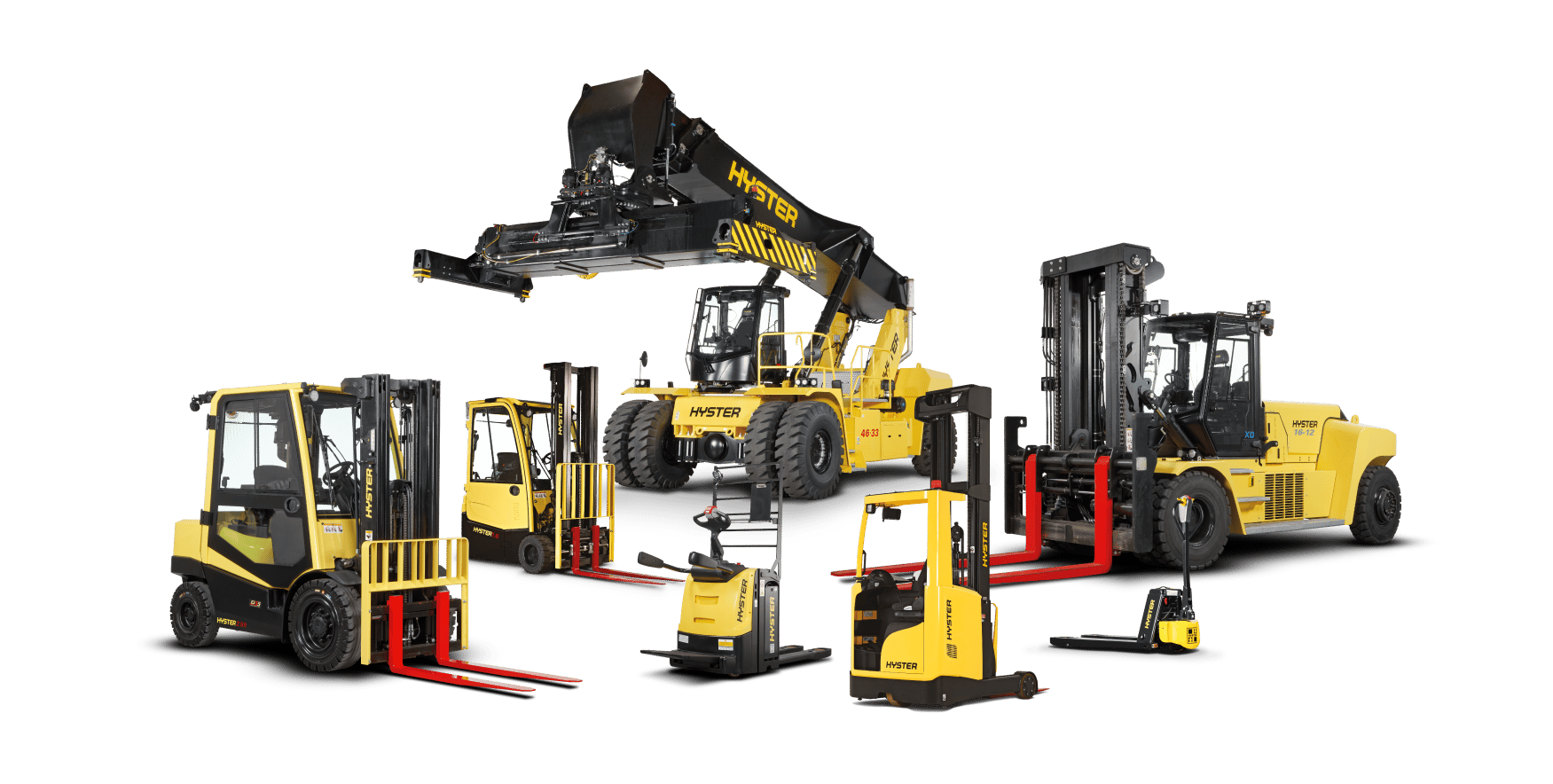
An electric forklift typically consists of several major systems:
- Traction motor
- Hydraulic motor or pump
- Motor controller
- Battery pack
- Battery Management System (BMS)
- On-board or external charger
- DC-DC converter
- Hydraulic lifting system
- Steering and control system
The battery is therefore more than an energy-storage component; it directly affects operating time, charging requirements, vehicle performance, maintenance, and total cost of ownership.
2. Major Types of Electric Forklifts
Electric forklifts can be classified according to their vehicle configuration, lifting mechanism, steering system, capacity, and intended operating environment. Below are some of the most important categories used in modern material-handling operations.
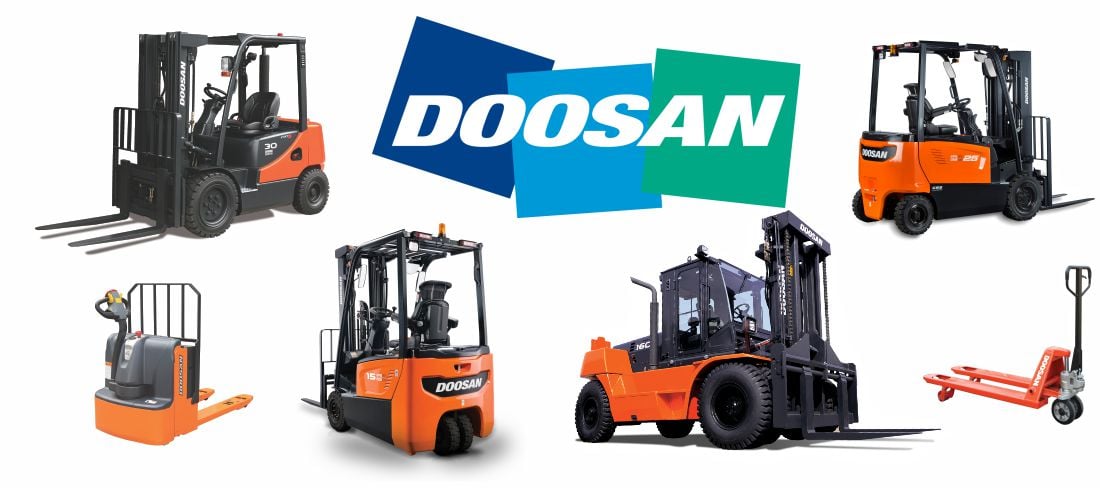
2.1 Three-Wheel Electric Forklifts
Three-wheel electric forklifts are designed primarily for maneuverability. Instead of a conventional four-wheel configuration, many three-wheel models use a single rear steering wheel or a comparable three-wheel steering arrangement.
Typical characteristics:
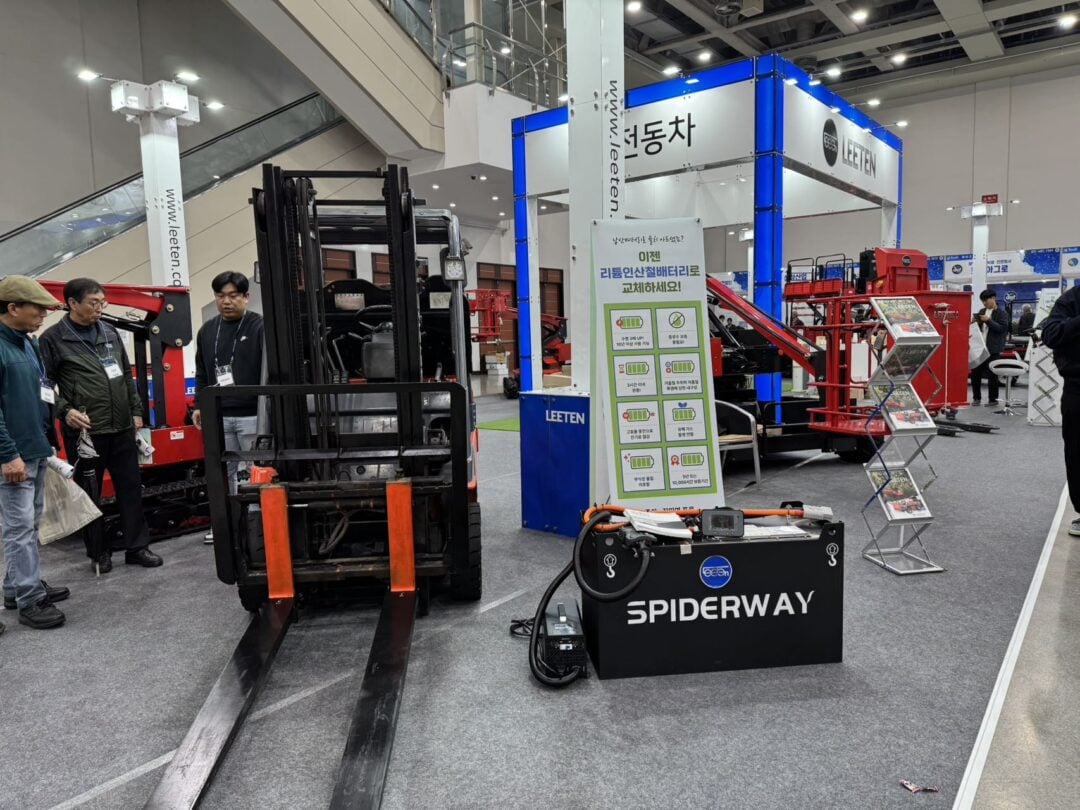
- Compact turning radius
- Excellent maneuverability
- Relatively small footprint
- Good visibility
- Suitable for narrow aisles
- Generally lower load capacities than heavy-duty four-wheel forklifts
Typical applications:
- Retail warehouses
- Distribution centers
- Small manufacturing facilities
- Indoor storage operations
- Narrow warehouse aisles
- Loading and unloading in confined spaces
Their compact dimensions make them useful in settings where floor space is more important than maximum lifting capacity.
Battery considerations: Because three-wheel forklifts are often used in indoor warehouse environments, their battery requirements emphasize compact dimensions, stable voltage output, high energy efficiency, opportunity charging capability, and long cycle life. Lithium battery systems can be particularly attractive for fleets operating multiple shifts because opportunity charging reduces the need for lengthy battery replacement procedures.
2.2 Four-Wheel Electric Forklifts
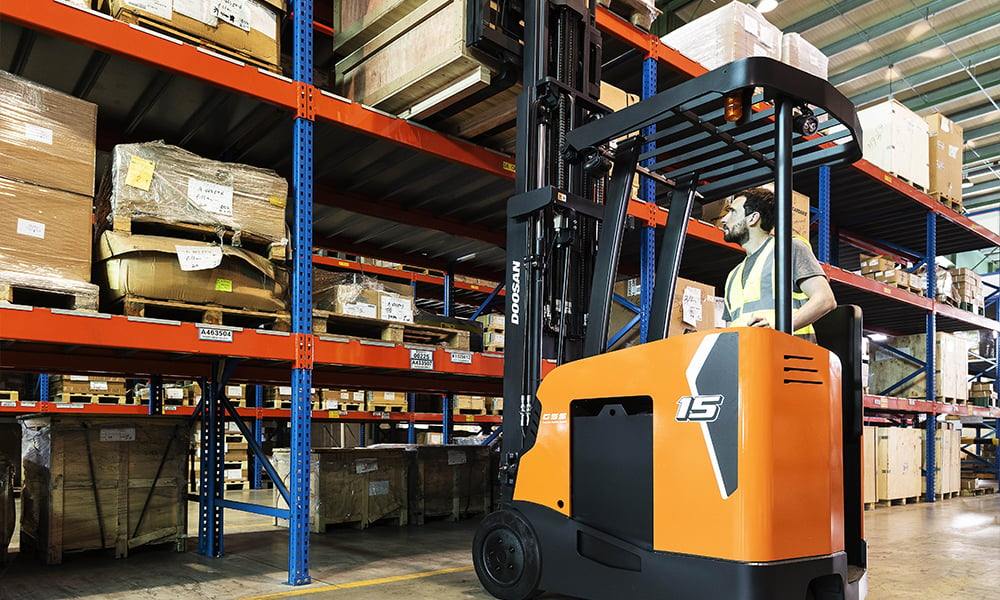
Four-wheel electric forklifts are among the most widely used configurations, offering greater stability than compact three-wheel models and available across a broad range of lifting capacities.
Typical characteristics:
- High stability
- Good traction
- Larger load capacity
- Suitable for longer operating cycles
- Better suited to uneven industrial environments
Typical applications:
- Manufacturing plants
- Warehouses
- Distribution centers
- Automotive factories
- Food and beverage facilities
- Building-material handling
- General industrial logistics
These forklifts handle a wider variety of loads and are often selected as general-purpose electric forklifts.
Battery considerations: The battery must match the forklift’s rated voltage, required capacity, motor power, hydraulic system requirements, operating hours, load profile, and charging schedule. For example, a 48 V battery may suit many medium-sized electric forklifts, while larger industrial vehicles may require 72 V or 80 V systems. The correct battery should be selected according to the complete electrical architecture, not voltage alone.
2.3 Reach Trucks
Reach trucks are specialized electric forklifts designed for high-density warehouse storage. Their defining feature is the ability to extend the forks or mast forward to access pallet positions inside storage racks.
Typical applications:
- High-bay warehouses
- Distribution centers
- E-commerce fulfillment centers
- Pallet-racking systems
- Narrow-aisle warehouses
Why reach trucks are different: Reach trucks prioritize lifting height, maneuverability, visibility, and energy efficiency over heavy outdoor-duty capability. Their duty cycle may involve repeated traveling, braking, lifting, lowering, positioning, and reversing, creating frequent acceleration and regenerative braking events.
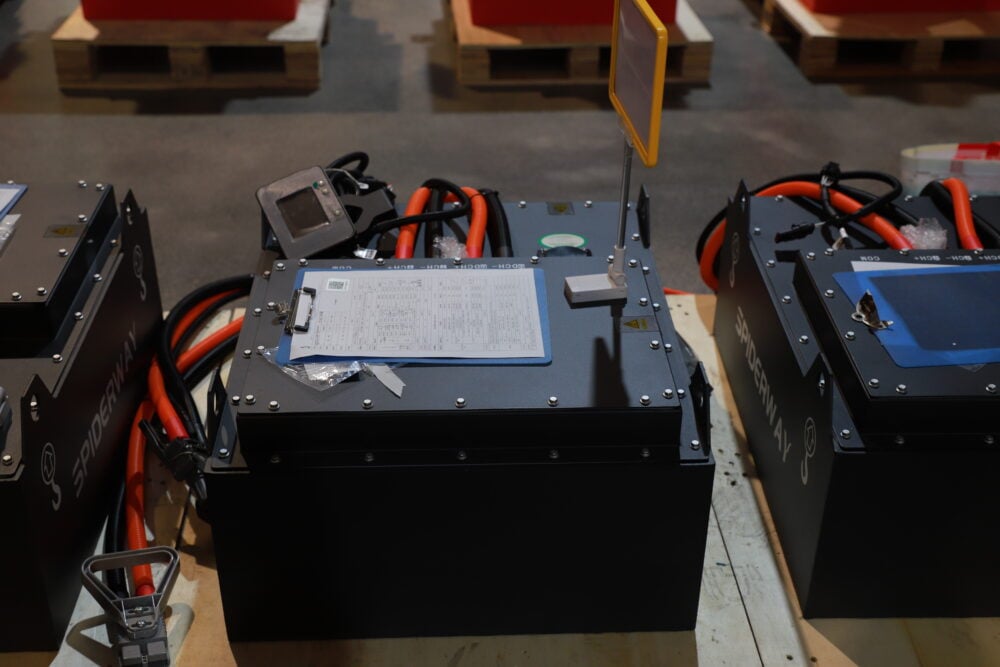
Battery requirements: A suitable lithium battery for a reach truck should support high discharge performance, frequent charge/discharge cycles, reliable BMS protection, accurate State of Charge (SOC) estimation, communication with the vehicle, and stable performance during repeated lifting operations. For high-throughput warehouses, opportunity charging can also help extend vehicle availability.
2.4 Narrow-Aisle Electric Forklifts
Narrow-aisle forklifts are designed for facilities where maximizing warehouse storage density is a priority. Depending on the configuration, these vehicles may include narrow-aisle forklifts, very-narrow-aisle trucks, turret trucks, or specialized aisle trucks. They are typically optimized for precise steering and vertical storage rather than outdoor transport.
Typical applications:
- High-density distribution centers
- Automated warehouses
- E-commerce warehouses
- Cold-storage facilities
- Large pallet warehouses
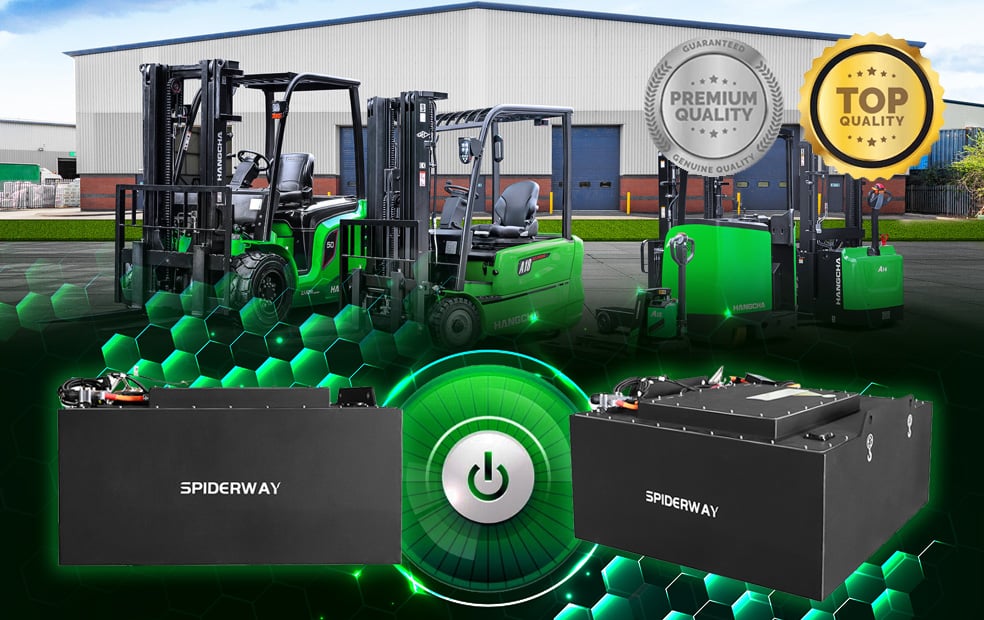
Battery engineering considerations: Narrow-aisle equipment often operates continuously for long periods, so battery systems must deliver consistent power while maintaining predictable SOC information. For advanced fleets, CAN-bus communication between the battery BMS and forklift controller can provide additional data such as battery voltage, current, temperature, SOC, State of Health (SOH), and fault information, improving fleet monitoring and battery maintenance.
2.5 Electric Pallet Trucks
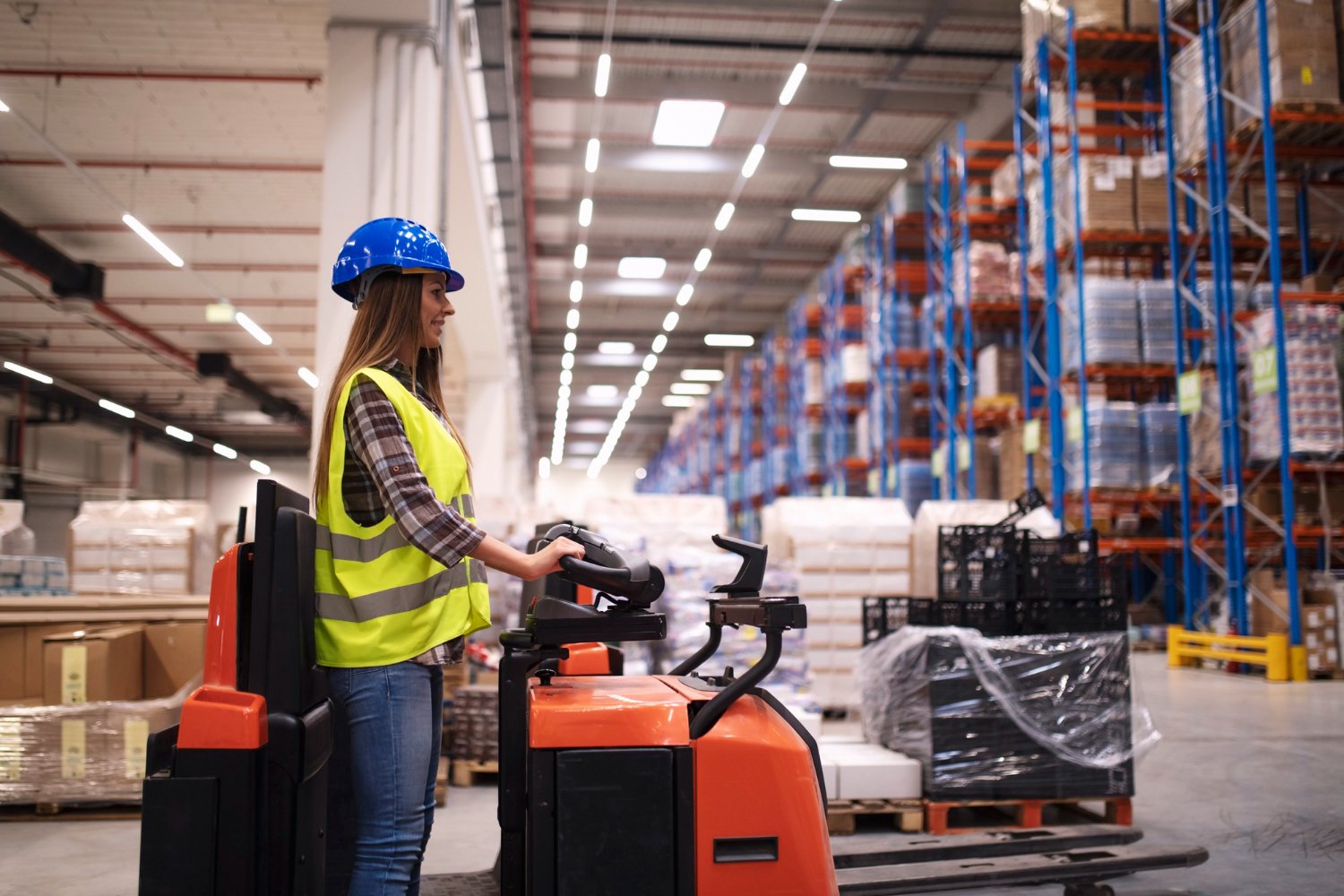
Electric pallet trucks are simpler and more compact than conventional sit-down forklifts, designed primarily for horizontal pallet movement rather than high-level stacking.

Typical applications:
- Warehouse transportation
- Retail distribution
- Supermarkets
- Factory production lines
- Loading docks
- Short-distance pallet movement
Electric pallet trucks can be categorized into walk-behind pallet trucks, ride-on pallet trucks, and platform pallet trucks.
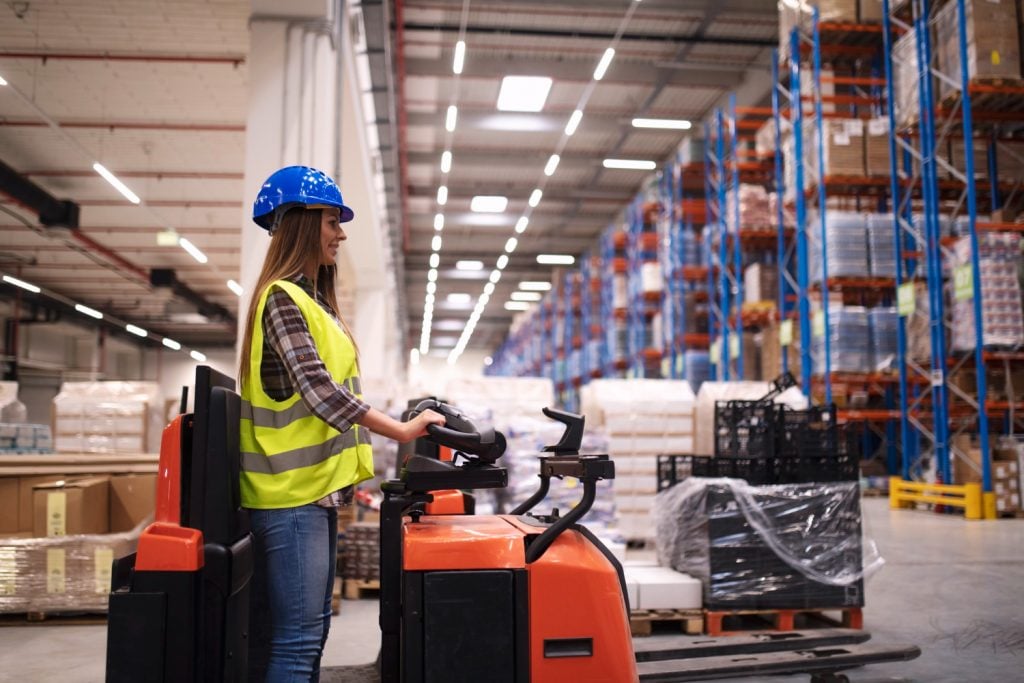
Battery requirements: Because these vehicles are often used intensively for short-distance transportation, their batteries may experience frequent partial discharge and charging cycles. Lithium batteries offer practical advantages including fast charging, no routine watering, reduced maintenance, high cycle life, stable voltage during discharge, and opportunity charging capability. These characteristics can translate into higher equipment availability for intensive warehouse operations.

2.6 Electric Stacker Trucks
Electric stackers occupy the space between pallet trucks and traditional forklifts, designed to move pallets and lift them to moderate storage heights.
Typical applications:
- Small warehouses
- Retail stores
- Manufacturing plants
- Parts warehouses
- Light-duty logistics operations
Common configurations include walkie stackers, ride-on stackers, and counterbalanced stackers.

Why battery selection matters: Stacker trucks frequently perform short travel cycles combined with repeated lifting operations, meaning the battery needs to handle both traction and hydraulic power requirements. A battery with inadequate discharge capability may show acceptable energy capacity but fail to deliver satisfactory performance during simultaneous travel and lifting.
2.7 Heavy-Duty Electric Forklifts
Heavy-duty electric forklifts are designed for applications requiring substantially higher lifting capacities.
Typical applications:
- Steel products
- Machinery
- Heavy pallets
- Construction materials
- Industrial components
- Large manufacturing loads
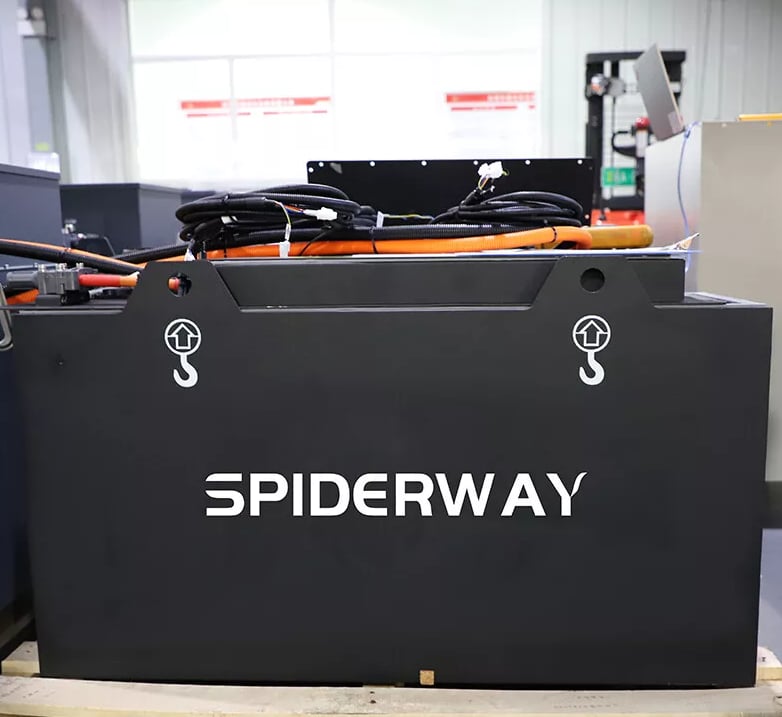
Compared with warehouse forklifts, these vehicles require significantly higher power and energy. Battery systems for heavy-duty forklifts may require high-voltage platforms with high continuous discharge capability, high peak current capability, robust thermal management, high-capacity battery modules, heavy-duty connectors and cabling, and advanced BMS protection. The battery enclosure and mechanical mounting system are also important because industrial forklifts can experience significant vibration and mechanical shock.
2.8 Cold-Storage Electric Forklifts
Cold-storage logistics presents a unique challenge for battery systems. Forklifts operating in refrigerated warehouses may encounter temperatures significantly below normal indoor operating conditions, and low temperatures can reduce lithium-ion battery performance, particularly during charging.
Typical applications:
- Frozen food warehouses
- Refrigerated logistics centers
- Pharmaceutical cold chains
- Food-processing facilities
Battery requirements: For cold environments, battery engineering should consider low-temperature discharge performance, low-temperature charging protection, battery heating systems where required, temperature monitoring, BMS charging restrictions, and insulation and enclosure design. A lithium battery should never simply be treated as a conventional battery and charged under all temperature conditions; the BMS must monitor cell temperature and prevent charging when conditions fall outside the permitted range.
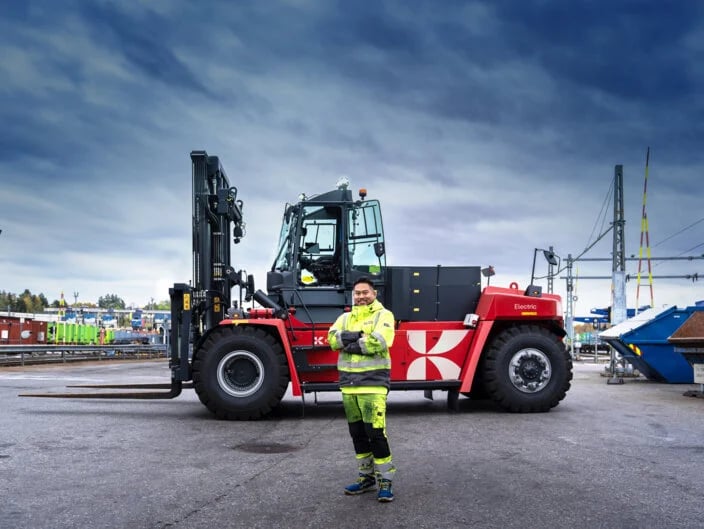
2.9 Outdoor Electric Forklifts
Electric forklifts are increasingly used outdoors, particularly where companies want to reduce emissions, noise, and fuel consumption.
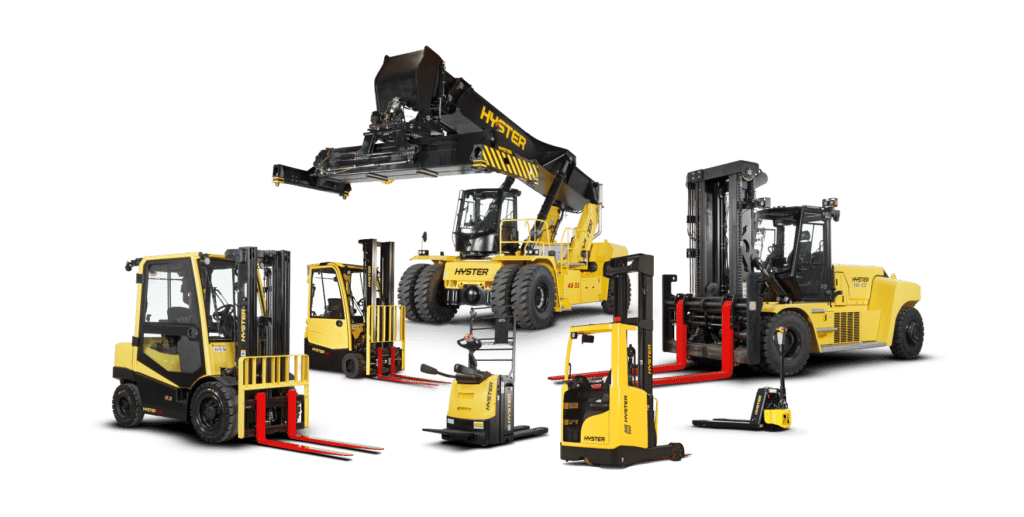
Typical applications:
- Building-material yards
- Manufacturing facilities
- Ports
- Logistics centers
- Agricultural operations
- Industrial storage areas
Outdoor electric forklifts require particular attention to waterproofing, dust protection, battery enclosure durability, operating temperature, tire configuration, ground clearance, and continuous power output. For these applications, the battery should be engineered as an industrial power system rather than simply adapted from an indoor warehouse application.
2.10 Side-Loader and Specialized Electric Forklifts
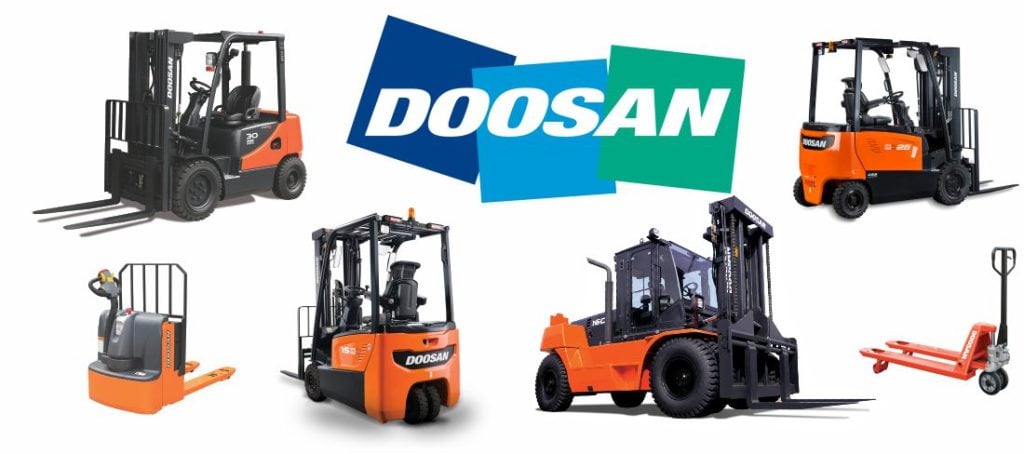
Certain loads cannot be efficiently handled by conventional front-loading forklifts. Side-loader forklifts are designed to carry long materials such as steel profiles, pipes, timber, aluminum extrusions, and long industrial components. Other specialized electric forklifts include multi-directional forklifts, four-way forklifts, container-handling equipment, explosion-protected industrial trucks, and automated guided forklifts. Their battery requirements can vary significantly depending on the vehicle architecture and operating environment.
2.11 AGV and Automated Electric Forklifts
Automated Guided Vehicles (AGVs) and Autonomous Mobile Robots (AMRs) are becoming increasingly important in modern logistics. Automated forklift systems can perform tasks such as pallet transportation, automated storage and retrieval, production-line replenishment, warehouse-to-warehouse transportation, and automated loading and unloading.
Unlike conventional forklifts, automated vehicles may operate according to highly predictable duty cycles. Their battery systems can therefore be integrated with automatic charging, opportunity charging, battery swapping, fleet management systems, CAN communication, and remote battery monitoring. For automated fleets, battery reliability becomes particularly important because unexpected battery failures can interrupt an entire logistics workflow.
3. Electric Forklift Types and Applications at a Glance
| Forklift Type | Main Strength | Typical Application | Battery Priority |
|---|---|---|---|
| Three-wheel forklift | Maneuverability | Narrow indoor spaces | Compact size, efficiency |
| Four-wheel forklift | Stability and versatility | General industry | Capacity, reliability |
| Reach truck | High-density storage | High-bay warehouses | Cycle life, high utilization |
| Narrow-aisle truck | Space optimization | Distribution centers | Consistent power |
| Pallet truck | Horizontal transport | Warehouses | Fast charging, cycle life |
| Stacker | Moderate lifting | Small warehouses | Compact energy system |
| Heavy-duty forklift | High lifting capacity | Steel, machinery, industry | High current, high energy |
| Cold-storage forklift | Low-temperature operation | Frozen logistics | Thermal management |
| Outdoor electric forklift | Low-emission outdoor handling | Industrial yards | Durability, environmental protection |
| Automated forklift | Automation | Smart warehouses | Communication, reliability |
4. Why One Forklift Battery Cannot Fit Every Application
A common misconception is that forklift batteries can be selected simply according to voltage and Ah capacity. In reality, a battery is an integrated system. Two forklifts may both use an 80 V battery but have completely different power requirements.
Battery selection should consider at least the following parameters:
- Voltage: Typical industrial forklift battery systems include 24 V, 36 V, 48 V, 72 V, and 80 V. The voltage must match the forklift’s electrical architecture.
- Capacity: Battery capacity is normally expressed in Ah or kWh. However, a larger Ah rating does not automatically mean better performance. The correct capacity depends on operating hours, load profile, energy consumption, and charging strategy.
- Discharge Capability: A forklift battery must supply both continuous and peak current. Hydraulic lifting, acceleration, and simultaneous travel/lifting can create significant power demands.
- Battery Dimensions: The battery must physically fit the forklift’s battery compartment. Important parameters include length, width, height, weight, terminal position, and connector configuration.
- BMS Compatibility: The BMS should protect the battery against overcharge, over-discharge, overcurrent, short circuit, over-temperature, and under-temperature. Advanced batteries may also communicate with the forklift or charger through CAN bus or other communication protocols.
5. Why LiFePO₄ Batteries Are Increasingly Used in Electric Forklifts
Lithium iron phosphate (LiFePO₄) is becoming an important battery chemistry for industrial vehicle applications. Compared with conventional lead-acid batteries, LiFePO₄ technology offers several operational advantages:
- Longer Cycle Life: A properly engineered LiFePO₄ battery can support substantially more charge-discharge cycles than conventional lead-acid systems, which is particularly valuable for multi-shift fleets.
- Faster Charging: Lithium batteries can generally accept higher charging power than traditional lead-acid batteries, making opportunity charging practical in many applications.
- Reduced Maintenance: Traditional flooded lead-acid batteries require periodic watering and other maintenance; LiFePO₄ batteries do not require routine electrolyte watering.
- More Consistent Voltage: Lithium batteries can maintain a relatively stable voltage throughout a significant portion of the discharge cycle, helping to maintain consistent forklift performance.
- Higher Usable Energy: In many applications, lithium systems can provide a greater proportion of their nominal capacity as usable energy compared with lead-acid batteries.
- Better Fleet Utilization: When correctly designed, lithium battery systems can support opportunity charging and reduce operational interruptions associated with conventional battery swapping and charging practices.
6. How to Select the Right Electric Forklift Battery
The best battery should be selected based on the actual operating profile rather than simply choosing the highest capacity available. A professional evaluation should consider: forklift model → voltage → load capacity → operating hours → shift pattern → ambient temperature → charging infrastructure → battery compartment → communication protocol → duty cycle.
- Single-shift indoor warehouse: A standard LiFePO₄ battery with appropriate capacity may provide sufficient energy for the entire operating period.
- Two- or three-shift distribution center: Opportunity charging and high-cycle-life lithium batteries may become much more attractive.
- Cold-storage operation: Low-temperature charging protection and battery heating may be more important than simply maximizing Ah capacity.
- Heavy industrial application: High continuous current, peak current, mechanical durability, and thermal management become critical.
- Automated forklift fleet: Communication compatibility, SOC accuracy, automatic charging integration, and remote monitoring become increasingly important.
This is why battery engineering should begin with the application profile, not the battery catalog.
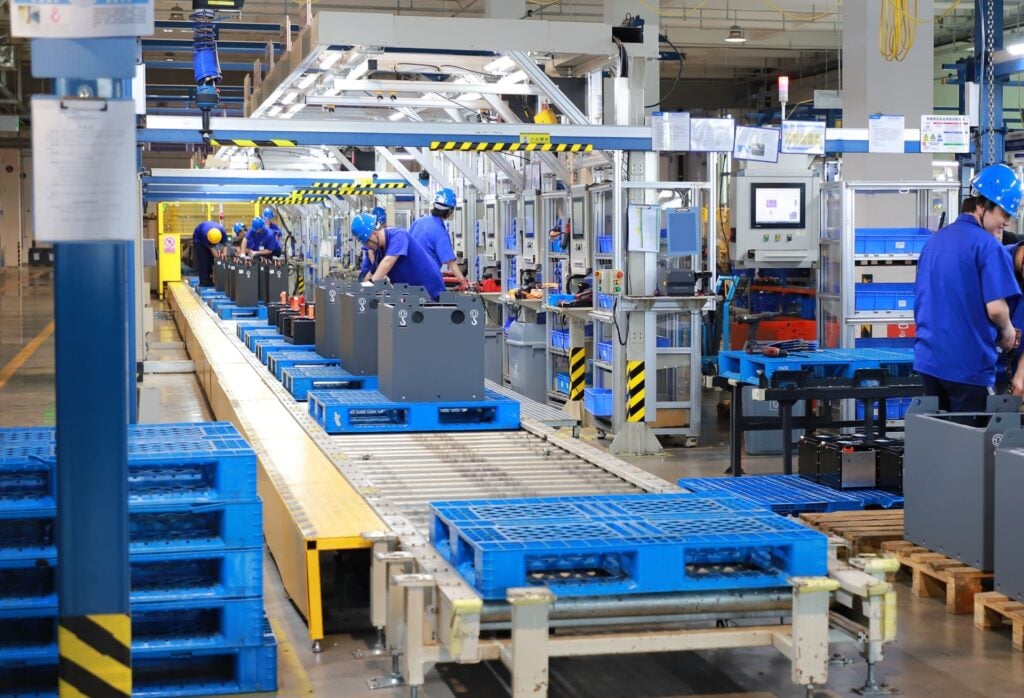
7. SPIDERWAY Electric Forklift Battery Solutions
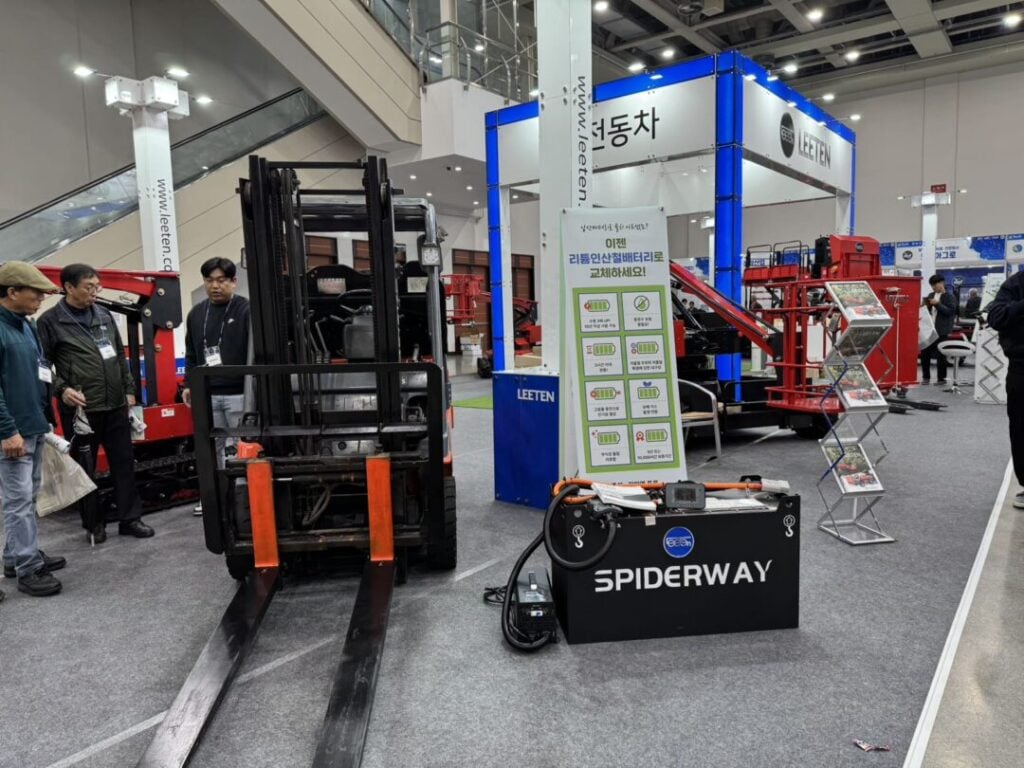
As a lithium battery manufacturer specializing in industrial vehicles, SPIDERWAY develops LiFePO₄ battery systems for a wide range of electric forklift applications. The SPIDERWAY product portfolio covers battery solutions for different forklift voltage platforms and operating requirements, including customized solutions for industrial vehicles.
Typical solution capabilities include:
- 24 V forklift batteries
- 36 V forklift batteries
- 48 V forklift batteries
- 72 V forklift batteries
- 80 V forklift batteries
- High-capacity industrial forklift batteries
- Customized battery packs
- Integrated BMS systems
- CAN communication
- Industrial battery chargers
- DC-DC converter solutions
- OEM and ODM battery development
The objective is not simply to replace a lead-acid battery with a lithium battery. SPIDERWAY engineers evaluate the complete application, including the forklift’s electrical system, battery compartment, operating cycle, charging environment, load profile, and communication requirements. This approach allows the battery to be configured as part of the forklift’s overall power system.
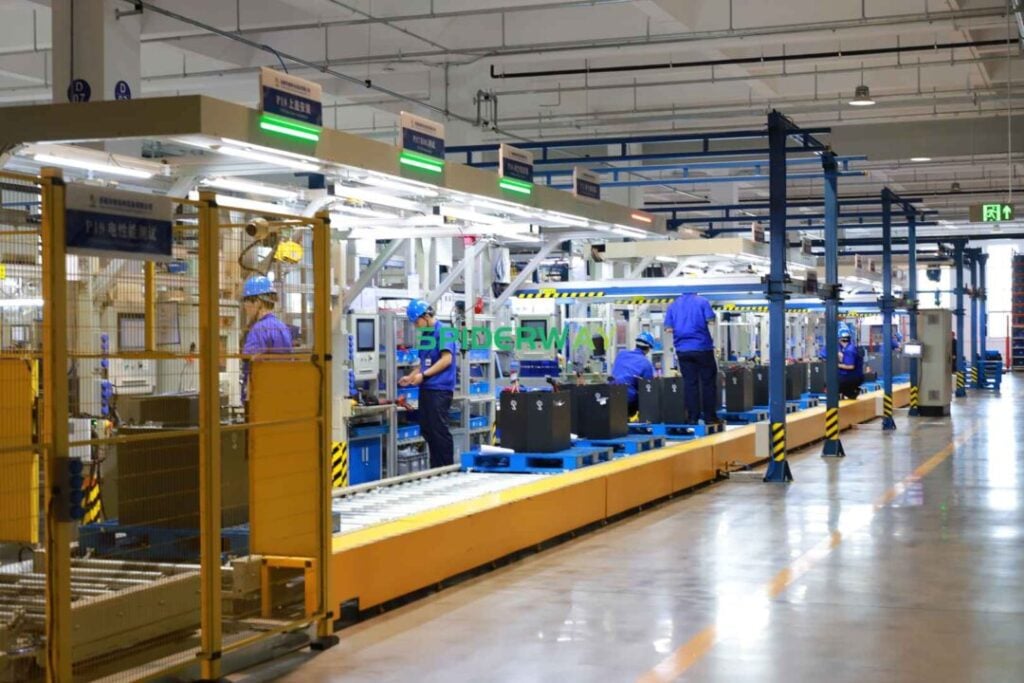
8. Why Choose SPIDERWAY for Forklift Lithium Batteries?
SPIDERWAY focuses on industrial vehicle lithium battery solutions, with experience covering forklifts, material-handling equipment, AGVs, aerial work platforms, golf carts, and other electric vehicles. Key advantages include:
- Application-Specific Engineering: Rather than relying solely on standard battery specifications, SPIDERWAY can develop battery configurations according to the vehicle and application requirements.
- LiFePO₄ Battery Technology: LiFePO₄ chemistry provides a combination of long service life, safety characteristics, stable performance, and suitability for intensive industrial operation.
- Integrated BMS: The battery management system provides protection and monitoring functions required for industrial battery operation.
- Communication Integration: For compatible applications, CAN communication and other interfaces can be integrated to support communication between the battery, forklift, charger, and fleet-management systems.
- OEM / ODM Capability: Battery dimensions, connectors, communication protocols, BMS configuration, enclosure design, and other parameters can be customized for specific forklift platforms.
- Complete Industrial Power Solutions: SPIDERWAY’s capabilities extend beyond the battery itself, including chargers and related power-electronics solutions.
Conclusion
Electric forklifts have evolved into a diverse family of specialized industrial vehicles. Three-wheel forklifts, four-wheel forklifts, reach trucks, narrow-aisle trucks, pallet trucks, stackers, heavy-duty forklifts, cold-storage trucks, outdoor electric forklifts, and automated forklifts each serve different operational requirements.
The right choice depends on more than lifting capacity. Warehouse layout, aisle width, load characteristics, operating hours, temperature, shift structure, charging infrastructure, and automation requirements all influence the appropriate forklift and battery configuration.
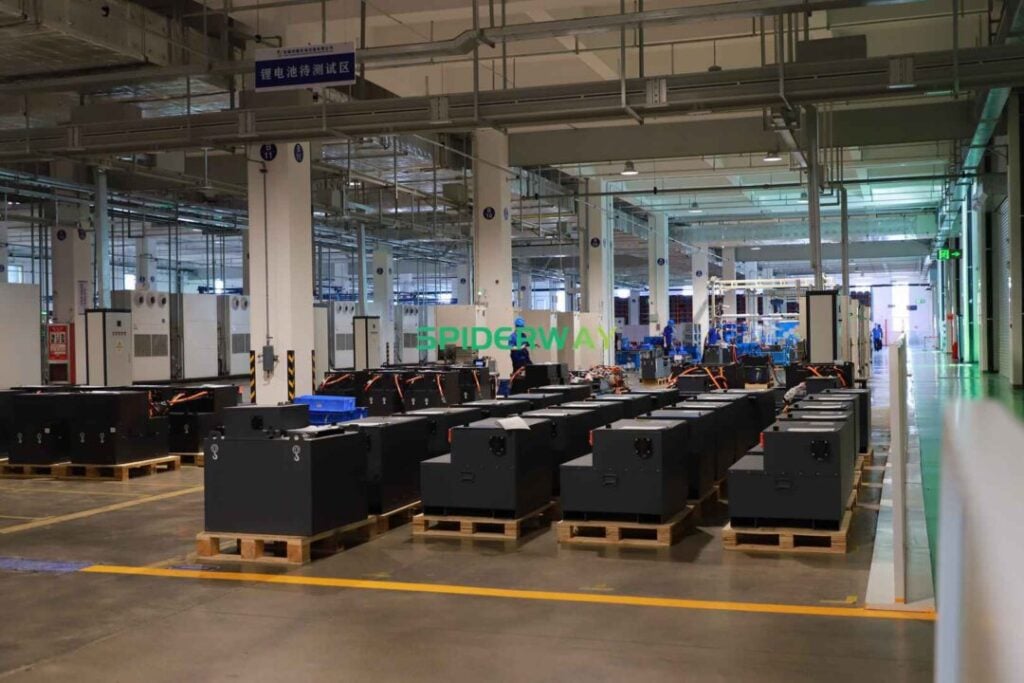
From a battery engineering perspective, the most important principle is simple: The best forklift battery is not necessarily the battery with the largest capacity. It is the battery engineered for the actual vehicle and duty cycle.
For companies transitioning from lead-acid to lithium power, building a new electric forklift fleet, or requiring customized industrial battery solutions, SPIDERWAY LiFePO₄ forklift batteries provide an engineering-oriented approach to industrial vehicle electrification. With application-specific battery design, integrated BMS technology, communication capabilities, OEM/ODM customization, and a broader industrial power-solution portfolio, SPIDERWAY helps forklift manufacturers, fleet operators, distributors, and system integrators develop reliable lithium power systems for modern material-handling applications.
SPIDERWAY — LiFePO₄ Lithium Battery Solutions for Electric Forklifts and Industrial Vehicles.
Supplier & Author Profile

- SpiderwayVerified
SPIDERWAY is a trusted LiFePO4 battery manufacturer specializing in golf cart, marine, RV, solar energy storage, industrial, and custom lithium battery solutions. We deliver OEM/ODM services, factory-direct quality, global shipping, and expert support for distributors, brands, and wholesale buyers worldwide.
Latest entries
- 2026-09-17Liquid-Cooled LiFePO4 Battery Packs for Heavy-Duty Electric Machinery
- 2026-09-16598.92V 180.87kWh High-Voltage Lithium Battery System for Heavy-Duty Electric Machinery
- 2026-09-08Exploring SPIDERWAY’s LiFePO4 Battery Plant in Hefei: A Look Inside an Advanced Industrial Lithium Battery Production Line
- 2026-09-08Evolution of LiFePO4 Battery Energy Density: A Decade of Advances and Future Outlook (2015–2035)