48V John Deere Electric Gator Lithium Battery Conversion: Upgrade from Lead Acid to LiFePO₄ for Longer Runtime and Lower Maintenance
Introduction: Why More John Deere Gator TE Owners Are Switching to Lithium Batteries
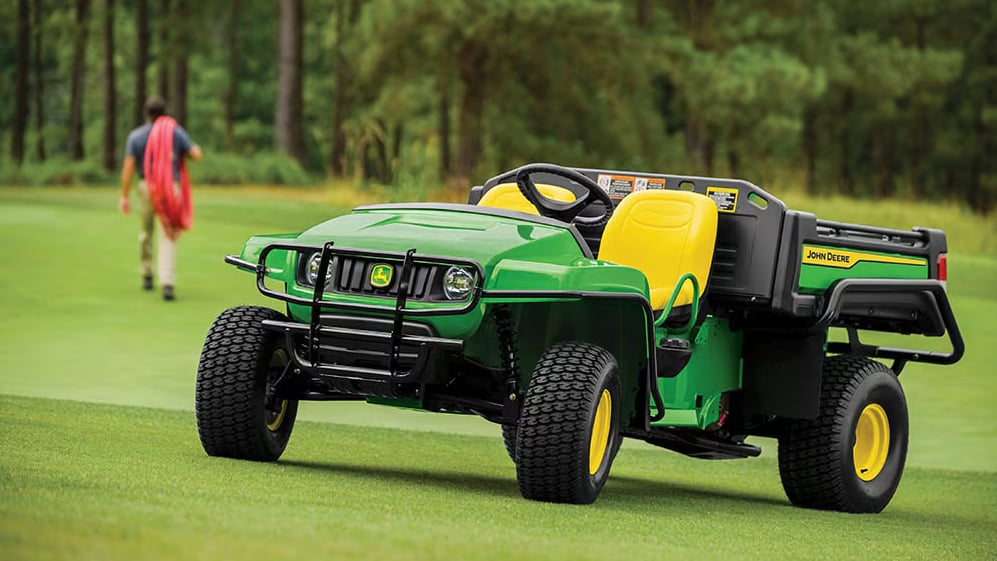
The 48V John Deere Electric Gator TE 4×2 has earned a strong reputation as a reliable utility vehicle for farms, golf courses, campuses, resorts, and industrial facilities. However, many owners eventually face the same challenge: the limitations of traditional lead-acid batteries.
Reduced driving range, frequent maintenance, long charging times, voltage drop under load, and battery replacement costs are common frustrations among electric Gator users.
Upgrading a John Deere Gator TE 4×2 from lead acid to lithium battery technology is becoming one of the most practical ways to extend vehicle life and improve daily operating efficiency.
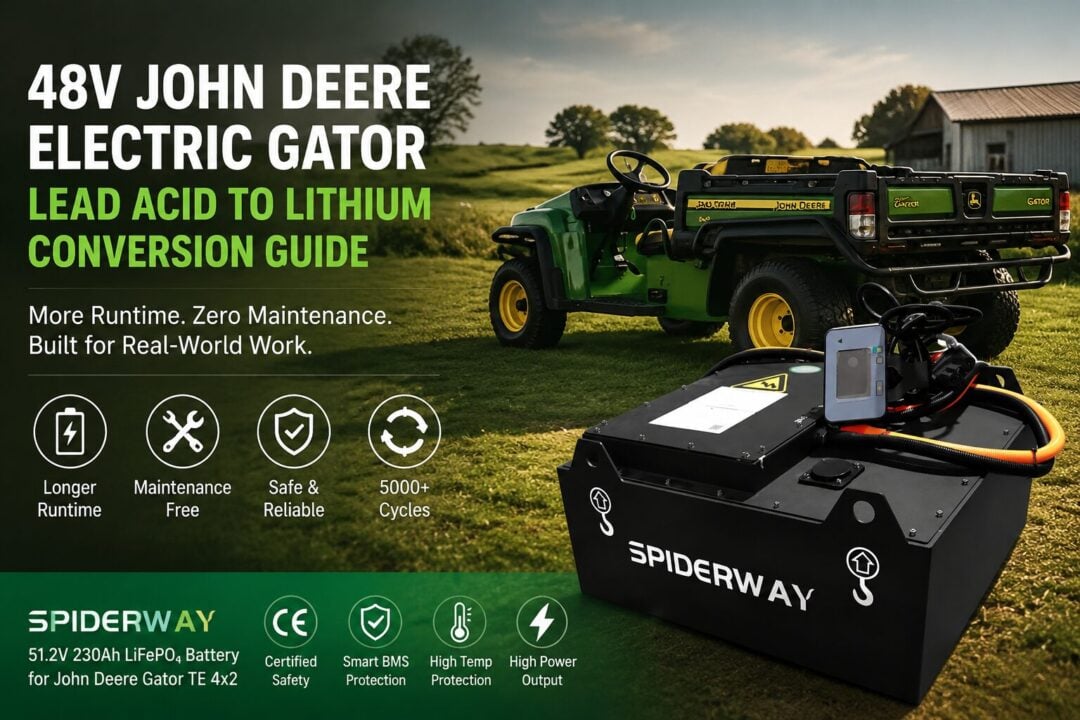
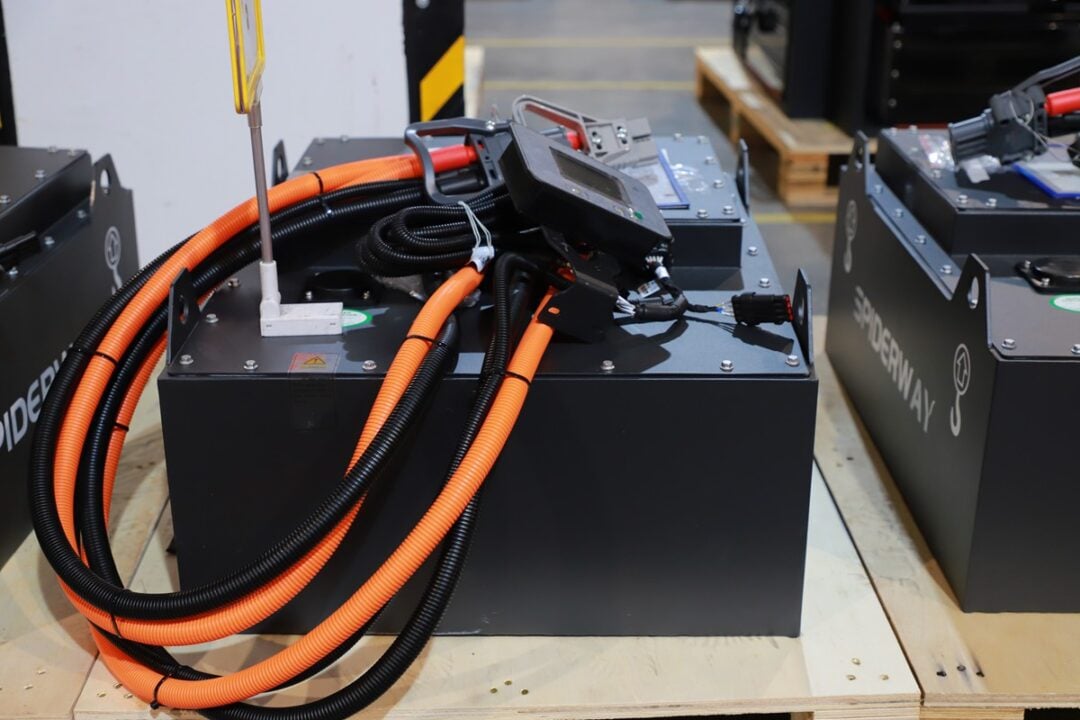
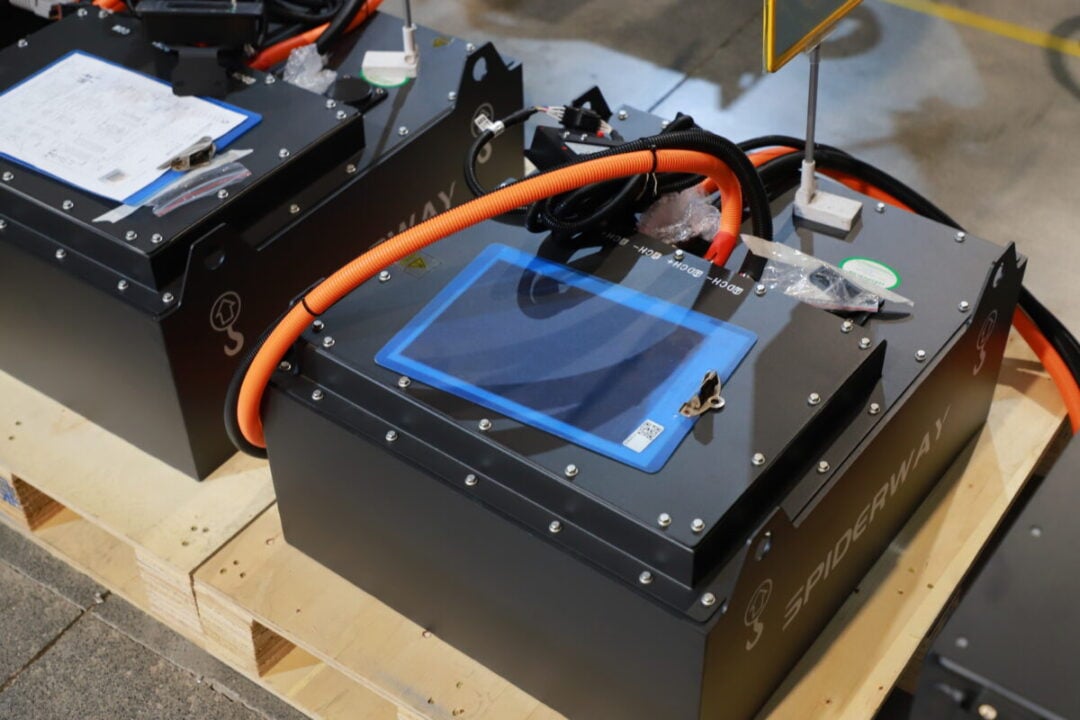
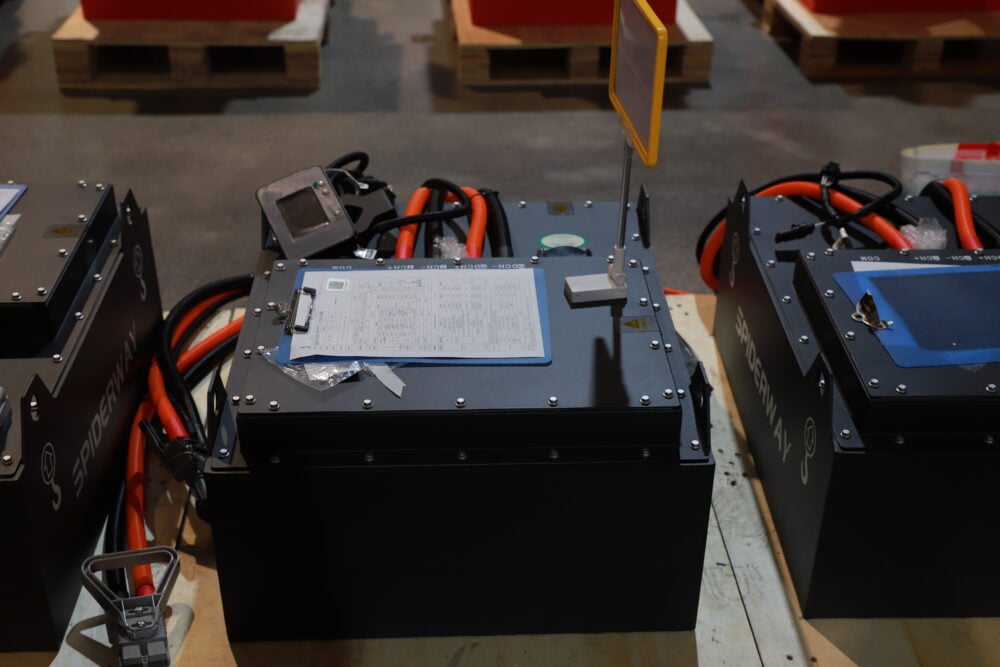
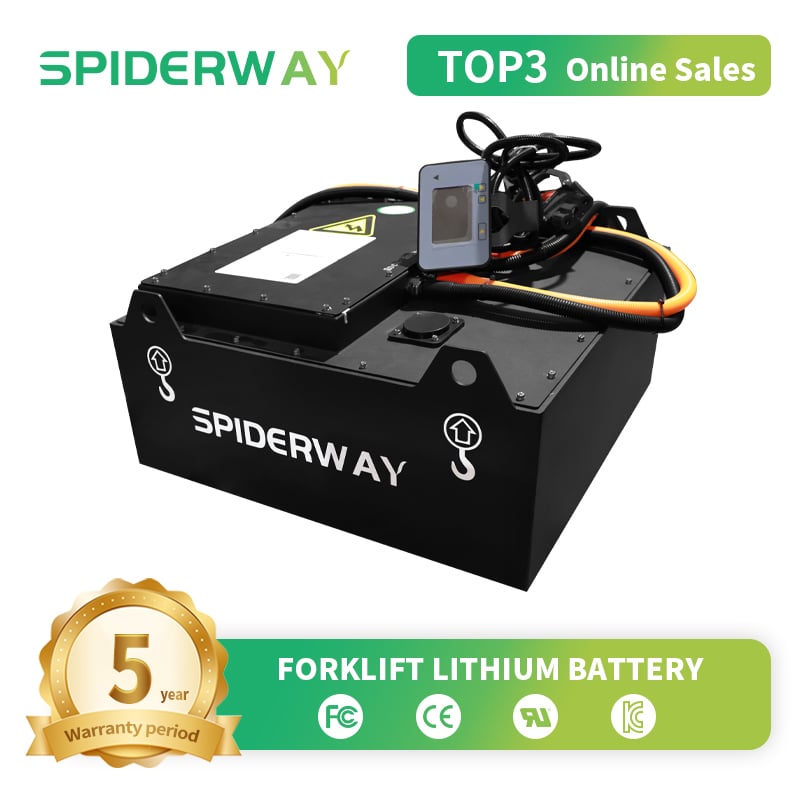
SPIDERWAY’s 51.2V 230Ah LiFePO₄ lithium battery (SP512230-710) is specifically designed as a drop-in lithium replacement solution for John Deere Gator TE 4×2 electric vehicles, providing higher usable energy, longer cycle life, intelligent battery management, and maintenance-free operation.
This guide explains:
- Why replace the original lead-acid battery system?
- What challenges occur during lithium conversion?
- How to choose the correct lithium battery?
- How SPIDERWAY’s 51.2V 230Ah LiFePO₄ battery improves Gator performance
Understanding the John Deere Gator TE 4×2 Battery System
The John Deere Gator TE 4×2 Electric uses a 48V electrical system designed to provide quiet and reliable operation for utility applications.
The original configuration typically uses multiple lead-acid batteries connected together to achieve the required voltage and capacity.
While lead-acid technology has been widely used for decades, it creates several operational disadvantages:
| Item | Traditional Lead Acid | LiFePO₄ Lithium |
|---|---|---|
| Energy efficiency | Lower | Higher |
| Usable capacity | Approximately 50% recommended depth of discharge | 80–90% usable capacity |
| Charging speed | Slow | Faster |
| Maintenance | Requires inspection and water maintenance | Maintenance-free |
| Cycle life | Hundreds of cycles | Thousands of cycles |
| Weight | Heavy | Much lighter |
| Voltage stability | Drops under load | Stable output |
For commercial users operating Gators every day, these differences directly affect productivity and operating costs.
Why Convert a John Deere Gator from Lead Acid to Lithium?
1. Longer Driving Range With More Usable Energy
A common misunderstanding is that battery capacity is only about amp-hours (Ah). In reality, the available energy depends on:
- Battery voltage
- Amp-hour capacity
- Depth of discharge capability
- Voltage stability during operation
Lead-acid batteries should generally avoid deep discharge because excessive discharge accelerates sulfation and capacity loss.
LiFePO₄ batteries can safely use a much larger percentage of their stored energy.
This means a lithium replacement battery can provide:
- Longer working hours
- Less frequent charging
- More consistent performance during the entire discharge cycle
For users operating John Deere Gators for:
- Agricultural transportation
- Golf course maintenance
- Warehouse operations
- Campus transportation
- Resort utility work
this translates into fewer interruptions and improved efficiency.
2. Eliminate Lead-Acid Battery Maintenance
One of the biggest disadvantages of traditional batteries is maintenance.
Lead-acid batteries require:
- Regular water level checks
- Terminal cleaning
- Corrosion prevention
- Ventilation considerations
- Equalization charging
Over time, these tasks consume labor and create additional operating costs.
A LiFePO₄ lithium battery eliminates these routine maintenance requirements.
SPIDERWAY’s lithium battery solution integrates a smart BMS (Battery Management System) that continuously monitors:
- Voltage
- Current
- Temperature
- Cell balance
- Protection status
The result is a cleaner, safer, and easier-to-manage electric vehicle power system.
3. More Stable Power Performance Under Heavy Loads
Electric utility vehicles often experience demanding conditions:
- Carrying cargo
- Driving uphill
- Operating on uneven terrain
- Frequent acceleration and braking
Lead-acid batteries suffer from voltage sag when high current is required.
This can cause:
- Reduced acceleration
- Lower maximum speed
- Shorter operating time
- Early low-voltage warnings
LiFePO₄ chemistry provides much more stable voltage output.
For the John Deere Gator TE electric drivetrain, stable voltage helps maintain:
- Consistent motor performance
- Better torque availability
- Improved operator experience
SPIDERWAY SP512230-710: A Purpose-Built Lithium Upgrade for John Deere Gator TE 4×2
The SPIDERWAY SP512230-710 51.2V 230Ah LiFePO₄ battery was engineered specifically for replacing aging lead-acid battery systems in electric utility vehicles.
Key Specifications
| Specification | SPIDERWAY SP512230-710 |
|---|---|
| Battery Chemistry | LiFePO₄ |
| Nominal Voltage | 51.2V |
| Capacity | 230Ah |
| Energy Storage | 11.78kWh |
| Cycle Life | 5000+ cycles @ 80% DOD |
| Maximum Continuous Discharge | 150A |
| Battery Management | Smart BMS |
| Application | John Deere Gator TE 4×2 |
Drop-In Replacement: No Major Vehicle Modification Required
A major concern for many Gator owners is:
“Do I need to redesign my electrical system when switching to lithium?”
For a properly engineered lithium conversion, the answer is usually no.
SPIDERWAY designed the SP512230-710 as a drop-in replacement battery solution, matching the original application requirements of the John Deere Gator TE platform.
The conversion process typically involves:
- Removing the existing lead-acid battery pack
- Installing the lithium battery into the battery compartment
- Connecting the existing power cables
- Installing the appropriate lithium charging solution if required
- Testing vehicle operation
Before conversion, users should always verify:
- Battery dimensions
- Cable connections
- Charger compatibility
- Controller requirements
Do You Need a New Charger After Lithium Conversion?
This is one of the most important questions during a Gator lithium upgrade.
Lead-acid and lithium batteries require different charging profiles.
A lithium battery charger should provide:
- Correct charging voltage
- Constant current / constant voltage charging
- Proper termination control
- Communication compatibility when required
Using an unsuitable charger may result in:
- Incomplete charging
- Reduced battery lifespan
- BMS protection shutdown
For professional conversions, SPIDERWAY recommends verifying charger compatibility before installation.
Safety Advantages of LiFePO₄ Batteries
For agricultural and industrial vehicles, battery safety is critical.
LiFePO₄ chemistry is widely selected for commercial electric vehicles because of its:
- Excellent thermal stability
- Lower risk of thermal runaway compared with many other lithium chemistries
- Long service life
- Strong vibration resistance
SPIDERWAY lithium batteries include multiple protection functions through the integrated BMS:
- Overcharge protection
- Over-discharge protection
- Over-current protection
- Short-circuit protection
- Temperature monitoring
- Cell balancing
Lead Acid vs Lithium: Long-Term Cost Comparison
Many buyers initially compare only purchase price.
However, the real cost of ownership includes:
- Battery replacement frequency
- Maintenance labor
- Downtime
- Energy efficiency
- Charging time
- Productivity loss
A lithium conversion typically provides value through:
Reduced Maintenance
No watering, corrosion cleaning, or battery room management.
Longer Service Life
A LiFePO₄ battery with thousands of cycles can significantly outlast traditional lead-acid batteries.
Higher Productivity
Longer runtime means fewer charging interruptions.
For commercial operators managing multiple electric Gators, the lifetime savings can be substantial.
Common Questions About John Deere Gator Lithium Conversion
Can I replace my 48V lead-acid Gator battery with a 51.2V lithium battery?
Yes, many modern 48V-class lithium systems use a 51.2V nominal voltage configuration because LiFePO₄ cells have a nominal voltage of approximately 3.2V each.
A properly designed battery pack matches the operating requirements of the vehicle system.
Will lithium improve my Gator’s performance?
A lithium conversion can improve:
- Runtime
- Voltage stability
- Charging efficiency
- Maintenance requirements
However, maximum speed is still controlled by the vehicle motor, controller, and drivetrain settings.
How long will a lithium battery last in a John Deere Gator?
Service life depends on:
- Usage conditions
- Charging habits
- Temperature
- Discharge depth
SPIDERWAY SP512230-710 is rated for 5000+ cycles at 80% depth of discharge, significantly exceeding typical lead-acid cycle performance.
Conclusion: Modernize Your John Deere Gator With LiFePO₄ Lithium Power
Converting a 48V John Deere Electric Gator from lead acid to lithium is more than a battery replacement — it is a long-term upgrade to the vehicle’s reliability, efficiency, and operating cost.
For owners who depend on their Gator every day, the benefits are clear:
- Longer working range
- Faster charging capability
- Zero battery maintenance
- Stable power delivery
- Longer battery lifespan
- Lower total ownership cost
SPIDERWAY’s 51.2V 230Ah LiFePO₄ lithium battery for John Deere Gator TE 4×2 provides a professional drop-in replacement solution designed for users who want to move beyond outdated lead-acid technology and unlock the full potential of their electric utility vehicle.
Upgrade your John Deere Gator TE with SPIDERWAY lithium power — built for reliable performance in agriculture, industrial, and commercial applications.
Supplier & Author Profile

Latest entries
- 2026-09-06Manufacturing & International Trade Terminology Guide: A Comprehensive Glossary for Global B2B Trade
- 2026-08-11LiFePO4 Batteries in Modern Agriculture: Powering the Next Generation of Smart Farming Equipment
- 2026-08-09One Lithium Battery vs Two Lead-Acid Batteries per Forklift: A Fleet-Level Comparison
- 2026-08-09Grow Your Business: Become a Certified SpiderWay Golf Cart Lithium Distributor