Airport GSE Explained: Types, Power Options, and Why Lithium Batteries Are Taking Over
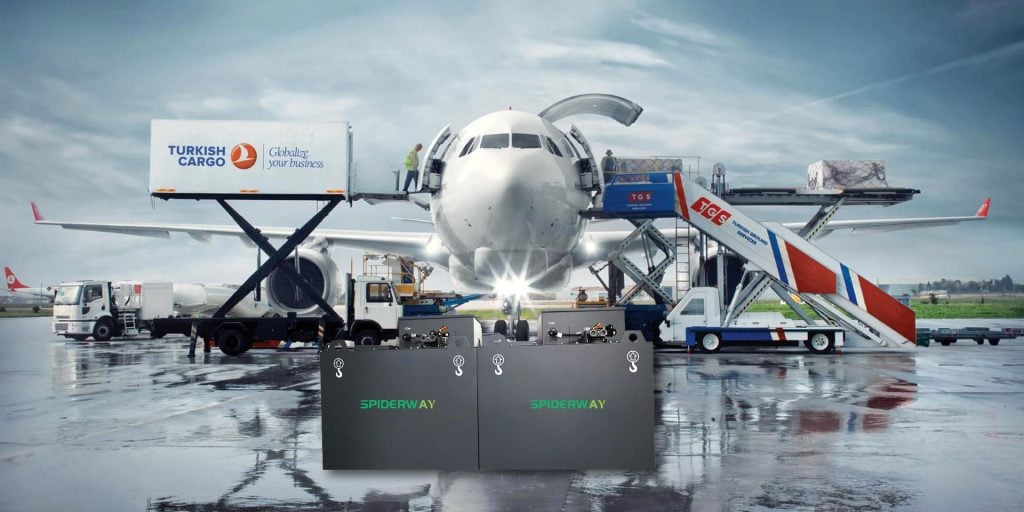
If you’ve ever watched a plane land and then take off again just an hour later, you’ve witnessed a carefully choreographed dance. Behind the scenes, a whole fleet of airport ground support equipment (GSE) makes it happen. These are the vehicles and machines that service aircraft between flights—from towing and baggage handling to fueling and cleaning. But the way GSE gets its power is changing fast. Let’s break it all down, step by step.
Step 1: Meet the Main Players in GSE
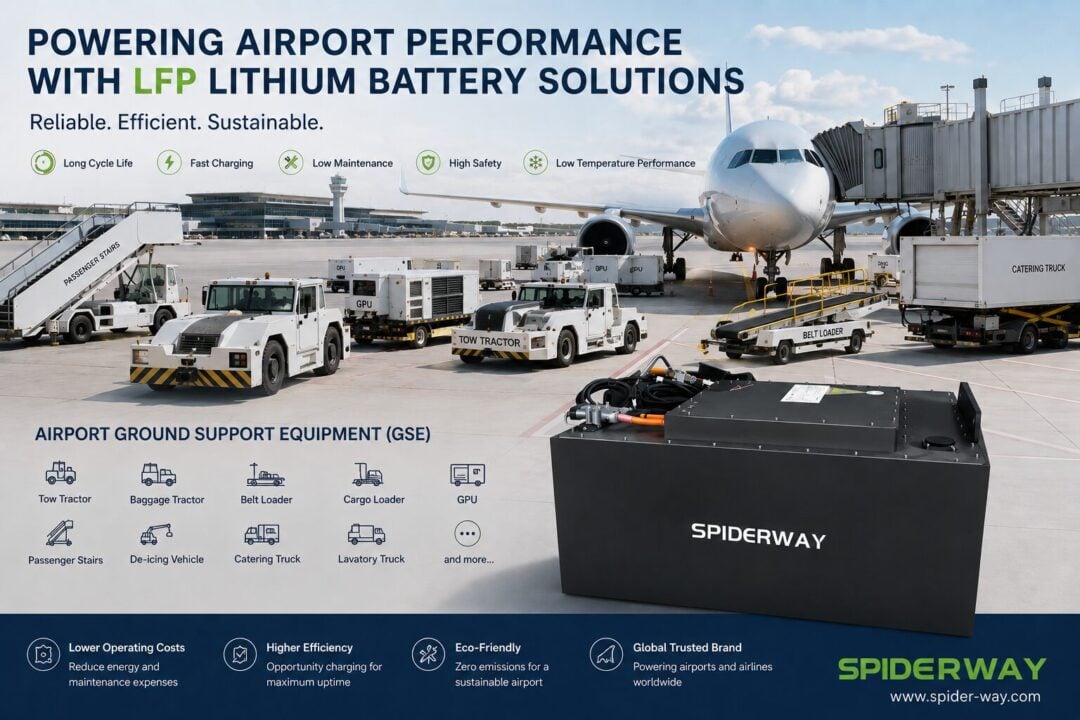
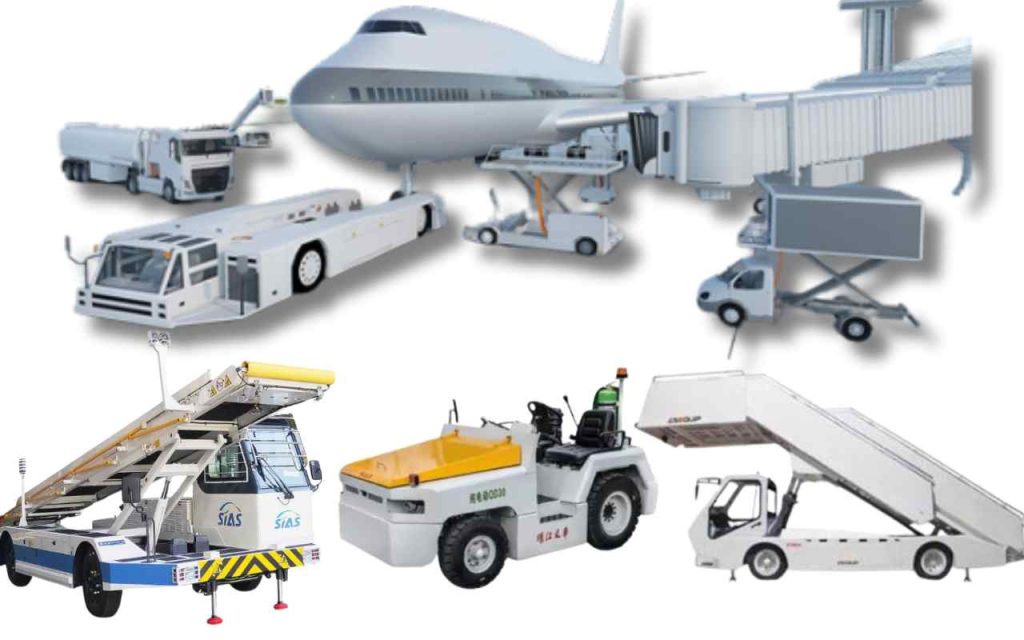
Airports rely on many types of GSE, each with a specific job. Here are the most common ones you’ll see on the tarmac:
- Aircraft tow tractors – These powerful little vehicles push planes back from gates (pushback) or tow them to hangars.
- Baggage tractors – They pull carts loaded with luggage between terminals and planes. They run almost non-stop.
- Belt loaders – Think of them as moving conveyor belts that help load bags into cargo holds.
- Cargo loaders – These lift heavy containers and pallets (called ULDs) into wide-body aircraft.
- Passenger stairs – Mobile staircases for when there’s no jet bridge.
- Ground power units (GPUs) – They provide electricity to planes while engines are off, saving fuel.
- De-icing vehicles – Critical in winter, they spray fluids to remove ice from wings.
- Catering trucks – Tall lifts that deliver food and drinks to cabin doors.
- Lavatory and water service vehicles – Handle waste and fresh water.
- Shuttle vehicles – Transport passengers and crew around the airport.
Each of these has unique power needs, and that’s where the choice of energy source matters.
Step 2: Understand the Old Ways – Diesel and Lead-Acid
For decades, GSE ran on two main power sources: diesel engines and lead-acid batteries. Both have served the industry well, but they come with trade-offs.
Diesel: Raw Power, but at a Cost
Diesel engines offer plenty of torque, which is great for heavy tasks like towing planes. But they’re noisy, produce fumes, and require frequent maintenance—oil changes, filter replacements, exhaust repairs. Fuel costs also swing wildly, and airports face growing pressure to cut emissions. Many are now banned or restricted in certain areas.
Lead-Acid: Cheap Upfront, but High Maintenance
Lead-acid batteries are the traditional electric option. They’re cheaper to buy initially, but they have a short life (800–1,500 cycles), need watering and cleaning, and take 8–12 hours to charge. Their voltage drops during use, so equipment slows down as the battery drains. Cold weather zaps their capacity, making winter operations tricky.
Step 3: Why Lithium Iron Phosphate (LFP) Is Winning
Lithium iron phosphate (LFP) batteries solve many of these problems. Here’s why airports are making the switch:
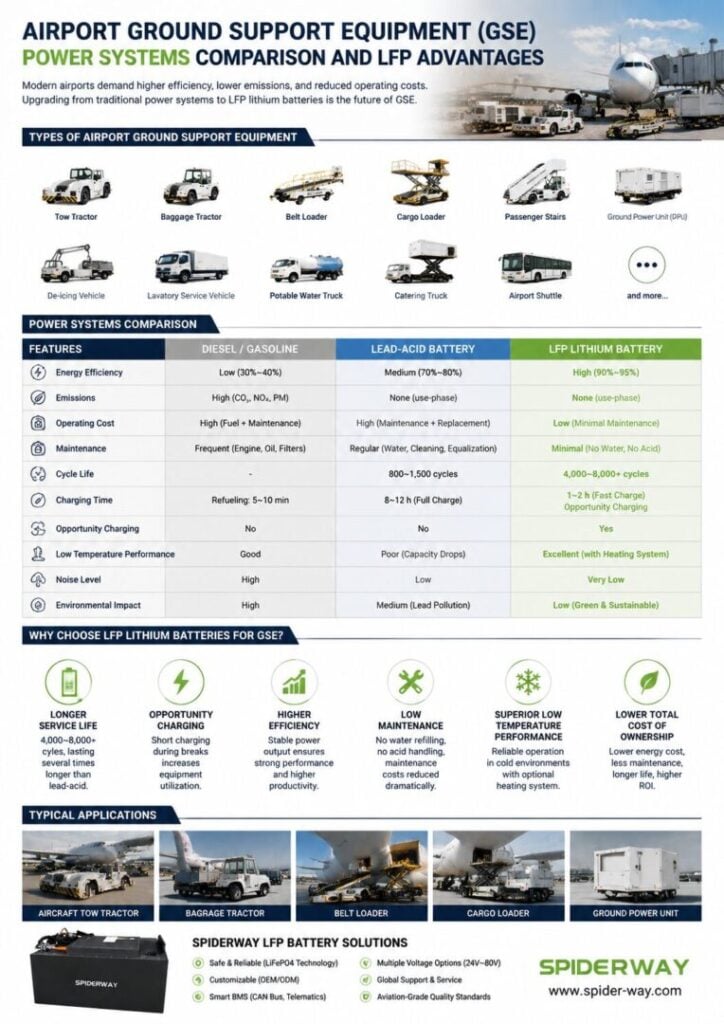
- Longer life – LFP lasts 4,000–8,000 cycles, sometimes more. That’s years of extra service.
- Opportunity charging – You can charge them during breaks, shift changes, or even while loading. No need to swap batteries.
- Consistent power – Voltage stays steady, so equipment performs the same from full charge to nearly empty.
- Almost no maintenance – No water, no acid, no equalization. Just plug and go.
- Cold weather performance – With optional heating, LFP works well in freezing conditions.
- Lower total cost – Even though the upfront price is higher, savings on energy, maintenance, and replacement make LFP cheaper over the long run.
- Eco-friendly – LFP helps airports meet sustainability goals.
Step 4: How Airports Are Making the Switch
The transition isn’t just about buying new batteries. It’s about rethinking operations. Many airports start with high-use vehicles like baggage tractors and belt loaders, then expand to tow tractors and cargo loaders. The key is choosing a lithium system that fits the equipment and supports fast charging.
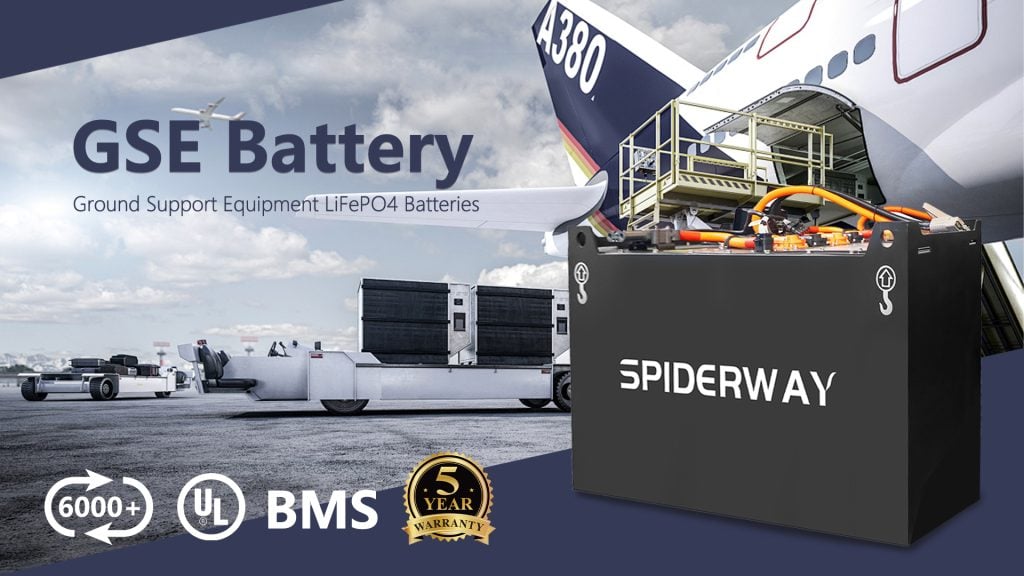
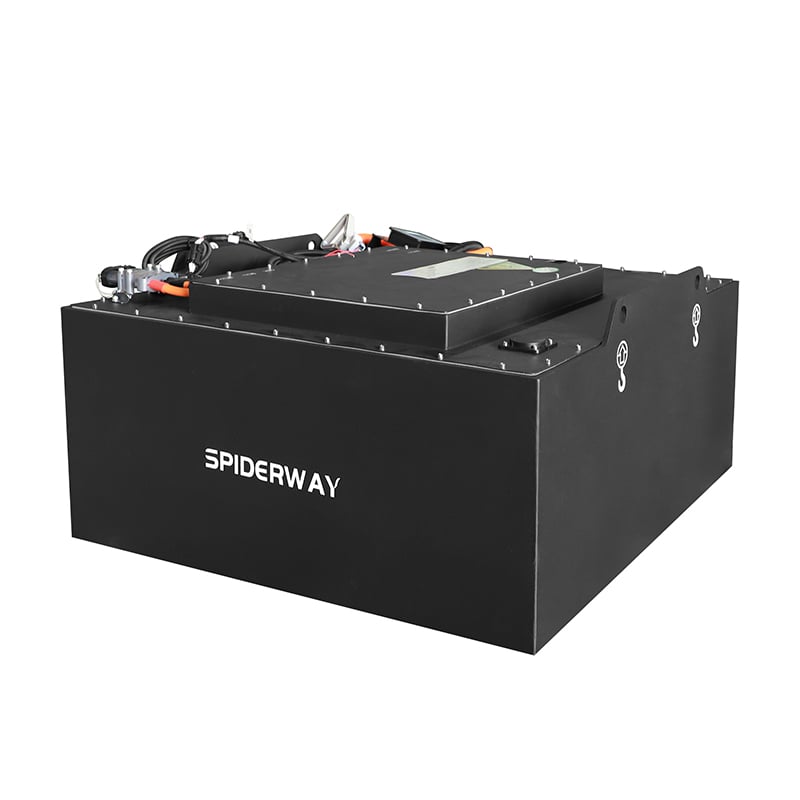
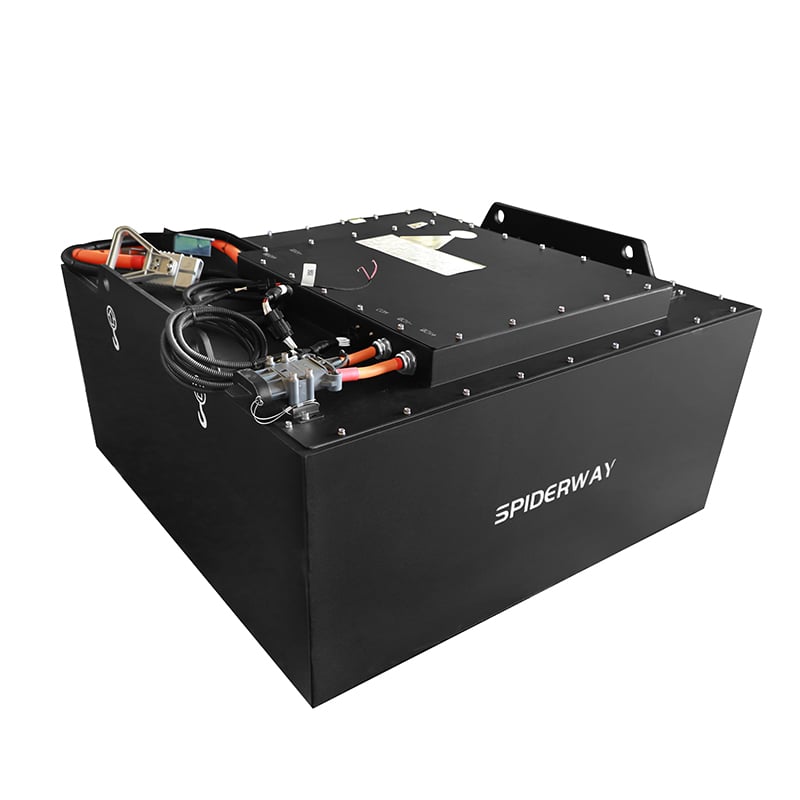
For example, companies like SpiderWay specialize in LFP batteries for GSE. They offer solutions for most major brands (TLD, JBT, Textron, etc.) and provide custom sizes, voltages (24V to 80V), and features like heated cells for cold climates. Their batteries come with advanced battery management systems (BMS) that protect against overcharging, overheating, and other issues.
Step 5: What to Look for in a Lithium GSE Battery
If you’re considering the switch, here’s a checklist:
- Safety features – A robust BMS and thermal management are non-negotiable.
- Compatibility – Make sure the battery fits your equipment’s voltage and physical space.
- Charging speed – Look for support for fast and opportunity charging.
- Cold weather option – If you operate in winter, get a heated system.
- Warranty and support – A good manufacturer offers global support and a solid warranty.
The Bottom Line
Airport ground support equipment is the backbone of efficient flight operations. While diesel and lead-acid have served well, lithium iron phosphate batteries offer a smarter, cleaner, and more cost-effective solution. As more airports adopt LFP, the tarmac will become quieter, cleaner, and more productive. Whether you’re an airport manager, a ground handler, or just an aviation enthusiast, understanding this shift helps you see the future of flight.
Supplier & Author Profile

Latest entries
- 2026-09-06Manufacturing & International Trade Terminology Guide: A Comprehensive Glossary for Global B2B Trade
- 2026-08-11LiFePO4 Batteries in Modern Agriculture: Powering the Next Generation of Smart Farming Equipment
- 2026-08-09One Lithium Battery vs Two Lead-Acid Batteries per Forklift: A Fleet-Level Comparison
- 2026-08-09Grow Your Business: Become a Certified SpiderWay Golf Cart Lithium Distributor