We are a direct Chinese source manufacturer & exporter of refractory metals, supplying high melting-point special metal raw materials for high-temperature furnaces, aerospace, defense, electronics, power equipment, chemical corrosion resistance, semiconductor and metallurgy industries. No middlemen, stable raw material reserves, complete production & inspection lines, competitive factory pricing, OEM/ODM custom processing available.
Refractory metals generally refer to metals with melting points above 1650 ℃ and stable reserves, including metals whose melting point is higher than zirconium (1852 ℃). Our main grades cover tungsten, molybdenum, tantalum, niobium, zirconium, hafnium and titanium. These high-temperature resistant metals feature outstanding thermal stability, low thermal expansion coefficient, excellent electrical & thermal conductivity, low vapor pressure, high-temperature strength and tailored corrosion resistance, which are irreplaceable core raw materials for advanced industrial manufacturing.
Tungsten
Tungsten owns the highest melting point among all refractory metals. Its core advantages are superior high-temperature strength and great resistance against molten alkali metals and alkali vapors. Above 1000 ℃, tungsten will produce oxide volatilization and liquid oxide phases. The main limitation is its high ductile-brittle transition temperature, making room-temperature plastic forming difficult.
Our tungsten raw materials are widely adopted in metallurgy, chemical engineering, electronics, light sources, mechanical manufacturing and high-temperature furnace structural components. We supply tungsten ingots, rods, sheets, foils, wires and custom machined parts.
Molybdenum
Molybdenum features stable chemical performance. It remains stable in air and water at room temperature. When heated in air, its surface color shifts from silvery white to dark gray. Oxidation starts slowly at 520 ℃ to form yellow molybdenum trioxide (MoO₃, turning white after cooling). Above 600 ℃, rapid oxidation to MoO₃ occurs. Under water vapor at 700–800 ℃, molybdenum dioxide (MoO₂) generates and further oxidizes into MoO₃ with continuous heating. Molybdenum can self-ignite in pure oxygen to produce molybdenum trioxide.
We provide pure molybdenum raw materials and semi-finished products for vacuum furnaces, EDM, glass manufacturing and electronic thermal components.
Tantalum
Tantalum delivers outstanding chemical inertness and superior corrosion resistance. It resists hydrochloric acid, concentrated nitric acid and aqua regia under both cold and hot conditions. It is only attacked by hot concentrated sulfuric acid above 150 ℃, hydrofluoric acid, mixed HF+HNO₃ solution and strong alkaline solutions such as caustic soda and potassium hydroxide at elevated temperatures.
At room temperature, tantalum stays inert toward chlorine, bromine water, dilute sulfuric acid and most inorganic salts. At high temperatures, its protective oxide film breaks down and triggers chemical reactions with halogens, sulfur, carbon and other media. Tantalum is the preferred metal for severe corrosion chemical equipment, heat exchangers and capacitor core materials.
Niobium
Niobium is a gray, lustrous paramagnetic metal with a melting point of 2468 ℃, boiling point of 4742 ℃ and density of 8.57 g/cm³. It shows superconductivity at low temperature with a critical temperature of 9.2 K — the highest among elemental superconductors.
Niobium has an ultra-low thermal neutron capture cross-section, making it valuable for nuclear industry applications. Stable in air at ambient temperature, it can directly combine with sulfur, nitrogen and carbon at high temperature and form alloys with titanium, zirconium, hafnium and tungsten. It is insoluble in aqua regia but soluble in hydrofluoric acid.
Due to lanthanide contraction, niobium shares very similar chemical properties with tantalum. While its corrosion resistance is slightly lower, niobium is more cost-effective and widely used as an economical substitute for tantalum in chemical lining, superconducting components and medical alloy fields.
Zirconium
Zirconium is silver-gray steel-like metal (atomic number 40, melting point 1852 ℃, density 6.49 g/cm³). It readily absorbs hydrogen, nitrogen and oxygen; oxygen dissolving inside zirconium at 1000 ℃ causes obvious volume expansion. A dense self-healing oxide film forms naturally on the zirconium surface, bringing reliable corrosion resistance better than titanium and close to tantalum & niobium.
Zirconium has excellent plasticity and can be processed into plates, strips, wires and profiles. It can absorb large volumes of hydrogen and nitrogen under heating and serves as hydrogen storage raw material. Zirconium always coexists naturally with hafnium; both carry trace radioactive components. Typical uses include chemical anticorrosion liners, nuclear reactor structural parts and corrosion-resistant alloy additives.
Hafnium
Hafnium has highly similar chemical characteristics to zirconium and good general acid & alkali aqueous corrosion resistance. It dissolves easily in hydrofluoric acid to form fluoride complexes. At high temperatures, hafnium reacts directly with oxygen, nitrogen to produce oxides and nitrides.
Hafnium mostly presents +4 valence in compounds. Hafnium oxide (HfO₂) has monoclinic, tetragonal and cubic crystal variants under different calcination temperatures. Hafnium tetrachloride is the key precursor for producing metallic hafnium and hydrolyzes rapidly once contacting water. Hafnium is widely used for plasma cutting electrodes, high-temperature coatings and alloy grain refiners.
Titanium
Titanium has metallic luster and good ductility, density 4.5 g/cm³, melting point 1660 ±10 ℃, boiling point 3287 ℃. It is lightweight with high specific strength and easy to process; purity strongly decides its plasticity.
Titanium withstands atmospheric and seawater erosion. At room temperature, it resists <7% hydrochloric acid, <5% sulfuric acid, nitric acid, aqua regia and dilute alkaline liquids. Only hydrofluoric acid, concentrated hydrochloric acid and concentrated sulfuric acid can corrode titanium. It is a mainstream light high-temperature metal for marine, aerospace and chemical equipment.
Why Choose Our China Source Factory for Refractory Metals
✅ Direct manufacturer, no trader markup. Independent smelting, rolling, drawing, machining & QC workshop
✅ High purity grades available: 99.9%, 99.95%, 99.99% purity; chemical & mechanical test certificates supplied per batch
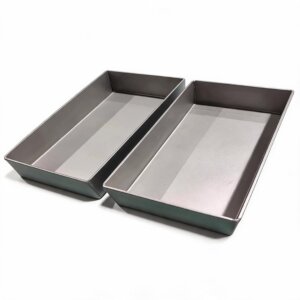
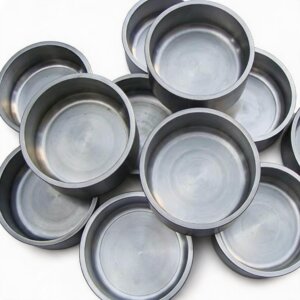
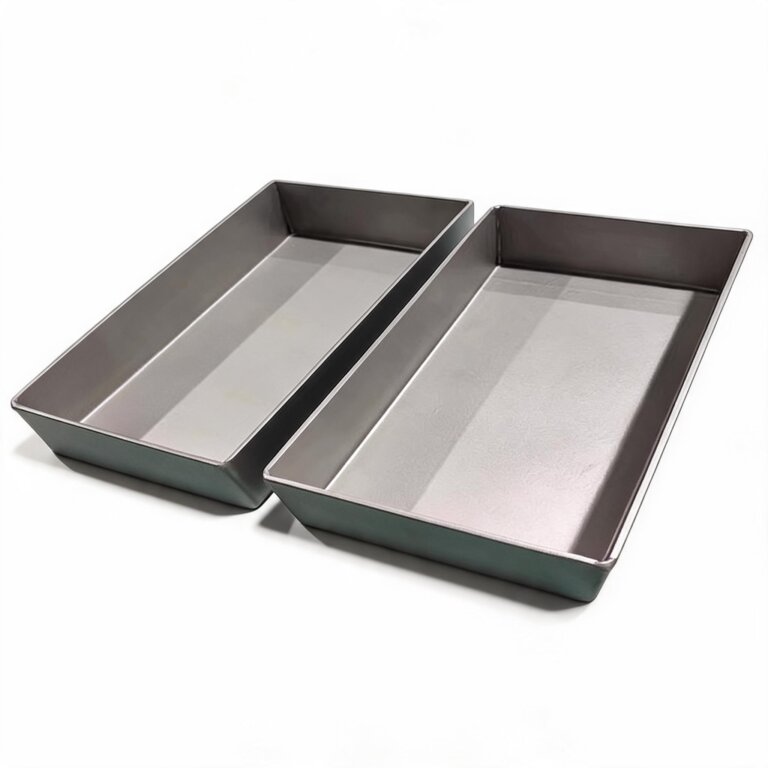
✅ Full customization: ingot, rod, wire, sheet, foil, tube, target, crucible and custom machined parts per drawing
✅ Strict quality control: raw material traceability, full chemical composition test, dimension inspection, surface examination
✅ Flexible order: bulk production, small trial orders, R&D sample support
✅ Export-ready documentation: material test report (MTR), packing list, commercial invoice for global customs clearance
✅ Fast lead time & stable supply chain, worldwide shipping by air / sea
✅ Professional engineering support: material selection consultation for high-temperature and corrosion working conditions
Typical Application Fields
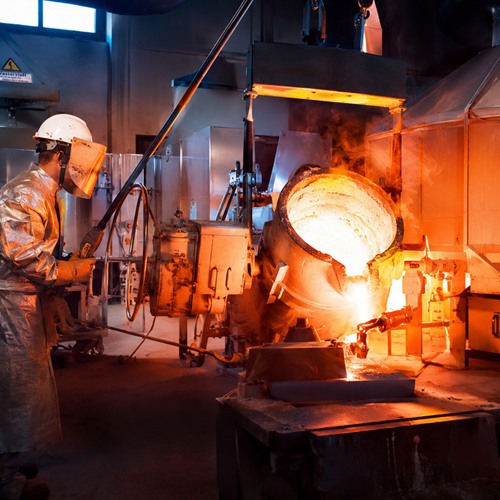
Aerospace & defense industry | High-temperature furnace hot zone components | Electronics & power equipment | Semiconductor sputtering targets | Chemical anti-corrosion vessels & heat exchangers | Metallurgical processing | Glass melting equipment | Nuclear industry | Superconducting devices | Medical special alloys | Hydrogen storage materials
Specification Notes
- Purity, dimension, surface finish and forming method can be customized according to buyer drawings and technical requirements
- We provide sample service for performance verification before mass production
- All raw materials can be supplied as semi-finished blanks or finished precision parts
Inquiry CTA
Send us your required material, purity, dimension, quantity and drawing. Our engineering team will reply with factory quotation and technical data sheet within 24 hours.
Supplier & Author Profile
-
RareMetals→ManufacturerVerifiedTungsten & molybdenum specialist
-
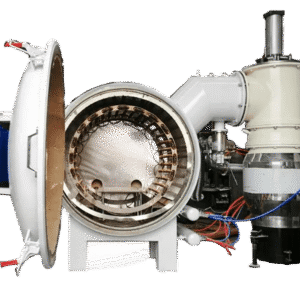
Luoyang Rare Earth Metal Materials Co., Ltd. is a China-based manufacturer of tungsten and molybdenum products, rare earth tungsten electrodes, molybdenum crucibles, TZM alloys and vacuum furnace thermal fields, backed by experienced engineers, ASTM-standard materials and 9 patents.
-
Store Name:
Luoyang Rare Earth Metal Materials Co., Ltd.
-
Address:
China, Henan / 河南, Luoyang, Sanyuan Industrial Park,, Luoyang Area, Henan Free Trade Zone, China
-
Email:
[email protected]
-
Phone:
+8617538556611
Visit Store
China Luoyang Rare Earth Metal Materials Co., Ltd.
Luoyang Rare Earth Metal Materials Co., Ltd. is a tungsten and molybdenum manufacturer based in Sanyuan Industrial Park, Luoyang Area, Henan Free Trade Zone, China. The company integrates research and development, production, sales and technical services for non-ferrous metals and operates a self-run import and export business.
Core Products
- Rare earth tungsten electrodes and rare earth tungsten rods
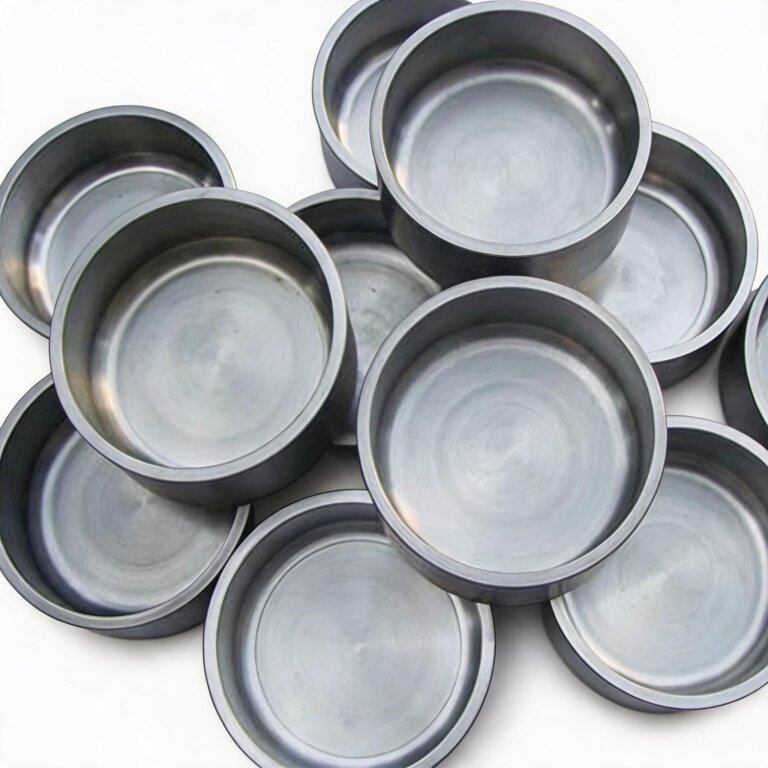
- Rare earth molybdenum crucibles and molybdenum sheet
- Tungsten molybdenum rods and magnetic molybdenum alloy boat boxes
- Sputtered molybdenum targets and semiconductor, TFT display and rare earth target materials
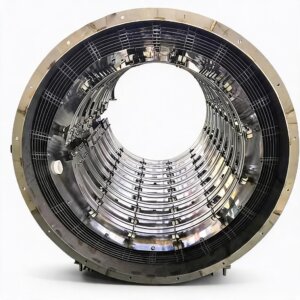
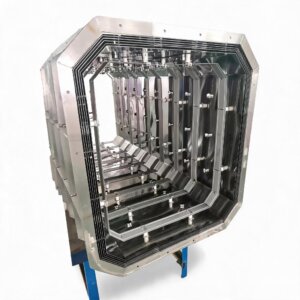
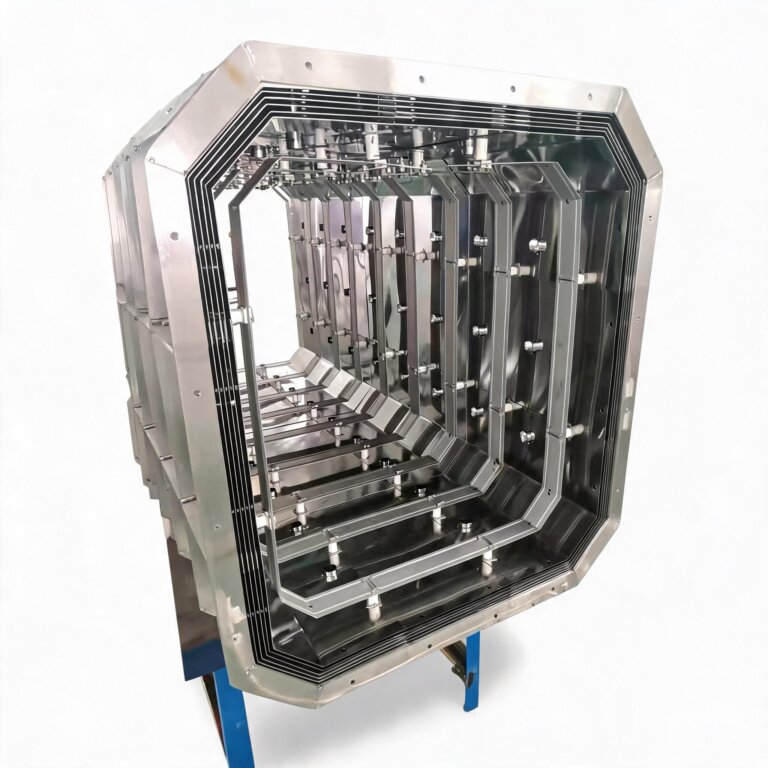
- Tungsten molybdenum heating chambers and vacuum furnace thermal fields
- Tungsten copper, molybdenum copper and other electronic packaging heat sink materials
- Titanium zirconium molybdenum (TZM), molybdenum niobium and molybdenum titanium alloys
- Tungsten nickel iron, tungsten nickel copper and medical collimators
- Monocrystalline silicon tungsten wire rope
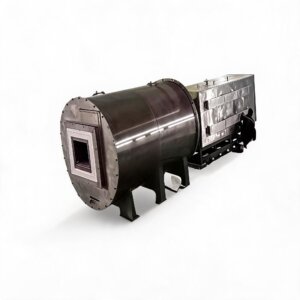
- Neodymium iron boron sintering furnaces, vacuum sintering furnaces, vacuum braze furnaces and roller kilns
Applications
Products serve new material industries including tungsten-based sintering, ceramic sintering and metallization, carbonization sintering and magnetic material sintering, as well as sapphire crystal growth furnaces and physical and chemical vapor deposition processes.
Why Work With Us
- Experienced team: professional technical personnel with more than 10 years of experience
- Quality assurance: raw materials comply with American ASTM standards and industry standards, and products pass ISO quality management system standards
- R&D focus: annual investment of 20% surplus as research and development expenses; 9 patents owned with 15 patents under application
- Reliable delivery: delivery accuracy can reach 99%
- Fast response: reply within 24 hours
Customized Services
The company offers customized production, outsourced processing, testing services and project co-construction, and provides advanced metal materials, products, equipment and solutions to high-end customers worldwide.
Address: Sanyuan Industrial Park, Luoyang Area, Henan Free Trade Zone, China