Lithium Batteries and Robotics: Empowering More Industries
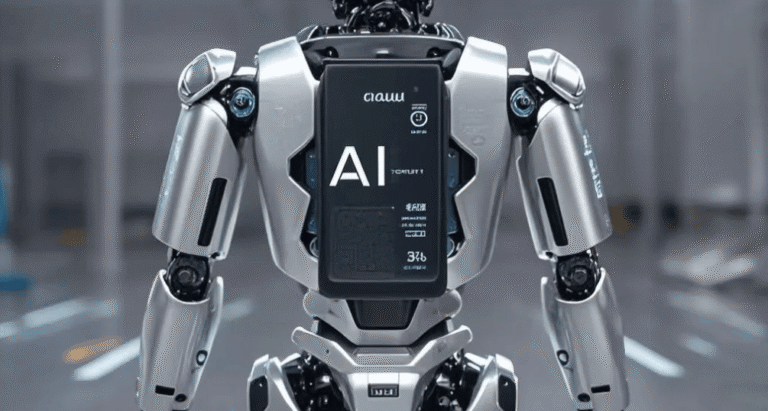
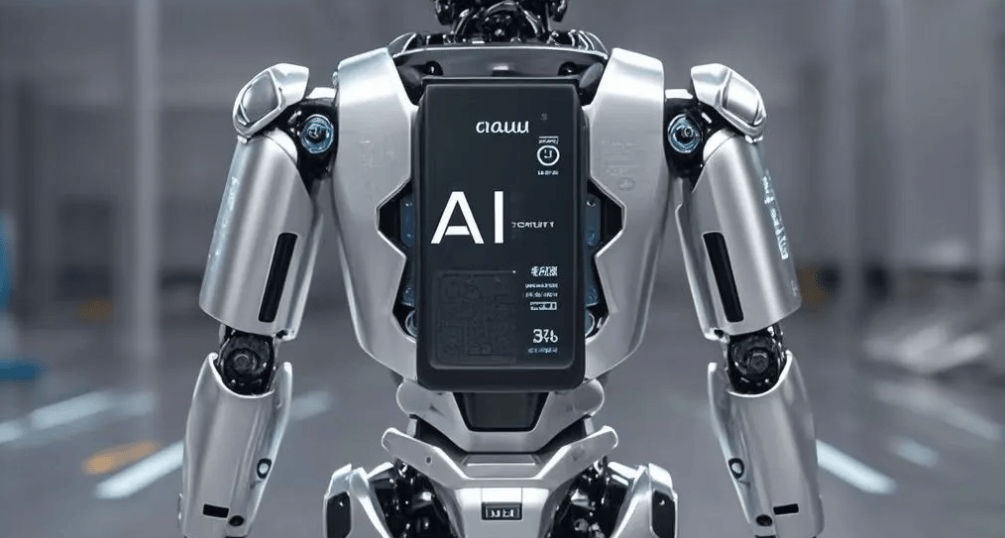
Recently, a series of news about lithium battery enterprises, represented by CATL, entering the robotics industry has become a focus in the industry. These lithium battery giants are using technology and capital as a bond to build a new technological innovation ecosystem from battery factories to robotics laboratories.
Cross-industry Logic
Lithium battery giants are crossing into robotics based on technological accumulation and industrial synergy. First, robots require efficient and reliable power sources, which is where batteries play a key role. On June 20, the chief engineer of EVE Energy stated at the first full-chain humanoid robot conference that the biggest challenge for humanoid robots is insufficient battery life, a pain point for the industry. Whoever provides a ‘high-energy’ solution for the robot track will gain the first-mover advantage.
Lithium battery giants like CATL and EVE Energy have deep experience and technical strength in battery R&D and production. CATL focuses on power battery R&D, with leading achievements in energy density, safety, and charge-discharge efficiency. EVE Energy has engaged with several top humanoid robot and vehicle customers, delivering samples to some, demonstrating its technological capabilities in robotics.
Robots demand high battery performance: high energy density for long operation, high power output for rapid response, and safety and stability. Chinese lithium battery companies, with their long-term technological accumulation, are expected to develop battery products better suited for robots.
Second Growth Curve
Second, entering robotics offers lithium battery companies a potential ‘second growth curve.’ As new energy vehicles proliferate, the penetration rate is expected to exceed 55% in 2025 and 70% by 2030 in China. With high penetration, the growth rate of EVs may slow, leading to intense competition in power batteries and compressed profit margins. Thus, lithium battery companies are seeking new growth avenues. With AI development, robotics applications are expanding, and market demand grows. Entering robotics may provide an unprecedentedly large application scenario for lithium batteries.
A New Innovation Ecosystem
Finally, the convergence of new energy and AI technologies sees Chinese lithium battery giants rushing into robotics, benefiting both industries and potentially forming a new technological innovation ecosystem composed of the lithium battery and robotics industries. Currently, technical synergy between the two industries will play a key role in multiple stages. For example, upstream, lithium battery material companies are researching new materials for robot batteries, prompting more R&D investment. Midstream, lithium battery companies can provide high-performance batteries and collaborate with robot manufacturers and parts suppliers to optimize production. Downstream, widespread robot use in industrial, service, and consumer fields will feed back into lithium battery manufacturing and application, empowering transformation and upgrading across more industries.
Supplier & Author Profile

- WorldpowerVerifiedWorldpower - Professional Lithium Battery Manufacturer
- Worldpower (Shenzhen Worldpower New Energy Co., Ltd.) is a national specialized and new 'Little Giant' enterprise focused on R&D, manufacturing, and sales of lithium battery packs and energy storage systems since 2009. With a 60+ R&D team and 20,000sqm facilities, we deliver high energy density, saf